

Health and Nutrition
An Apple a Day
Eat an apple every day, and the doctor will stay away: exploring the countless benefits of this everyday fruit.
- Eliyahu Shechter
- | Updated
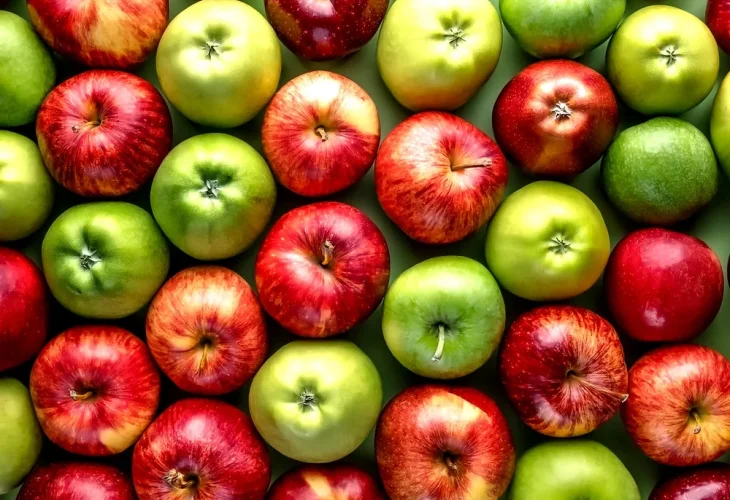
Those venturing into fields or along roads can already observe that deciduous trees, dormant during winter, are beginning to signal the approach of spring by blossoming with flowers and leaves. One such tree is the apple tree. Apples come in many varieties and can be found on supermarket shelves almost year-round. They are juicy fruits with a range of flavors that appeal to many.
The apple is considered one of the essential fruits for health—not only because it contains a wealth of vitamins, but also due to its high dietary fiber content, primarily found in the peel. These fibers help promote satiety, which is crucial for maintaining a balanced weight. They also assist in lowering blood cholesterol and managing blood sugar levels, making apples suitable for diabetics despite their natural sweetness. Additionally, the fibers support healthy intestinal function.
Another benefit of apples is their low glycemic index, meaning they cause a slow rise in blood sugar after consumption. This is another reason why apples are appropriate for diabetics and for supporting general health.
Apples also contain malic acid, which helps remove various toxins from the body, including heavy metals. In addition, apples can promote dental health: a study published in a scientific journal showed that children who regularly consumed apples had better gum health than those who did not.
Apples make a delicious and healthy snack and can be consumed freely. Eating apples can reduce cravings for unhealthy sweets. They pair exceptionally well with nuts and almonds, together providing a nutritious and balanced protein-rich snack.
Tips for buying and storing apples:
A. Whenever possible, buy organic, unsprayed apples, allowing you to eat the peel safely.
B. Choose apples that are firm to the touch and as free of blemishes as possible.
C. Store apples in the refrigerator in a ventilated, dry container, as they soften quickly at room temperature.
D. Prefer eating apples raw rather than cooked.
Eliyahu Schechter is an iridologist and natural therapist.

