

Health and Nutrition
Solanaceous Vegetables: Pros and Cons
While they offer health benefits, solanaceous vegetables have drawbacks that may not be suitable for some individuals.
- Eliyahu Shechter
- | Updated
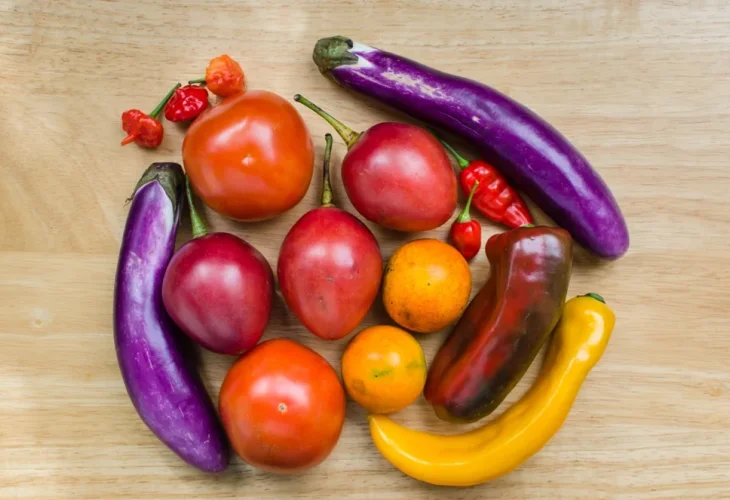
After conducting an iridology diagnosis, I often ask patients: Do you suffer from joint pain or kidney stones? Many answer affirmatively. Indeed, the eyes can reveal tendencies toward these issues, and if so, it is advisable to avoid certain vegetables such as tomatoes, peppers (all types), eggplants, and potatoes.
These vegetables belong to the solanaceous family. While they have health benefits, they also have drawbacks that make them unsuitable for sensitive individuals. The family is named after a toxic substance called solanine, which it contains. Normally, the liver can neutralize solanine. However, if the liver is not strong enough, it may cause adverse effects such as diarrhea, headaches, vomiting, and joint pain. Therefore, people suffering from chronic conditions related to toxin overload, such as various skin problems, should also avoid vegetables from the solanaceous family.
Despite these concerns, solanaceous vegetables do have significant health benefits. In upcoming articles, we will discuss the different vegetables from this family.
Let’s start with the tomato. What hasn’t been said about it? On one hand, it is low in calories, but it is also rich in potassium and antioxidants that neutralize toxins (free radicals). The main antioxidant is lycopene, which gives the tomato its red color. Lycopene is considered one of the most powerful antioxidants available. Studies have shown its importance in several areas:
Consuming high amounts of lycopene significantly reduces the risk of certain cancers, particularly prostate cancer.
It can help prevent heart and vascular diseases and reduce blood cholesterol levels.
Lycopene is also found in red grapes, blood oranges, pomegranates, and watermelons. Studies indicate that the best way to obtain lycopene from food is after heating and crushing it, such as in dishes like matbucha. This method also has the added benefit of breaking down solanine in tomatoes, making them safer for sensitive individuals to consume.
Eliyahu Schechter is an iridologist and natural therapist.

