

Health and Nutrition
All About Kiwi
It's not just tasty and juicy - kiwis have many health benefits
- Eliyahu Shechter
- | Updated
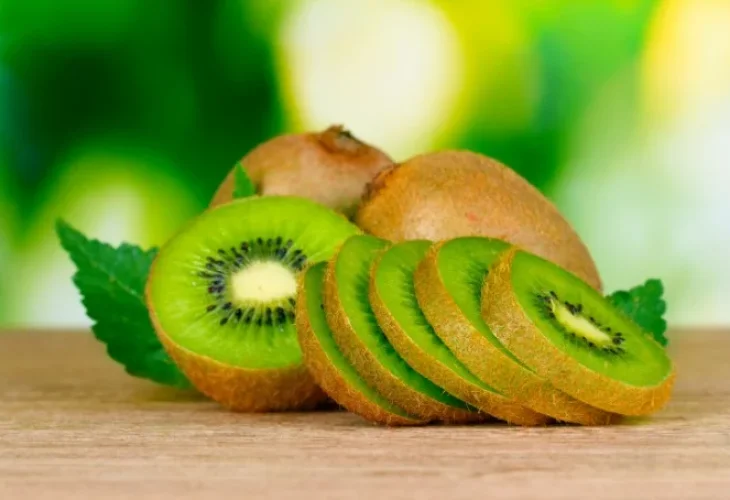
It is juicy, refreshing, and visually appealing. It is enjoyable to eat on its own, yet it also adds a special flavor to fruit salads. Yes—it’s the kiwi. It turns out that this fruit is unique not only in its appearance and taste, but also in the many health benefits it offers.
Kiwi is especially notable for its high vitamin C content. A medium-sized fruit can contain nearly the entire daily requirement of vitamin C. The functions of this vitamin are well known. For example, vitamin C acts as an antioxidant, helping detoxify the body and protect various cells. It also protects DNA, significantly contributing to cancer prevention. Vitamin C helps prevent atherosclerosis and stroke by inhibiting cholesterol oxidation and preventing the formation of substances that clog blood vessels. In addition, it assists in preventing cataracts.
Kiwi also plays an important role in maintaining digestive system health, as it is rich in dietary fiber. These fibers benefit the digestive system in several ways: they help prevent constipation, increase bowel movement frequency, increase stool volume, soften stools, and enhance intestinal motility. The fibers also promote the growth of beneficial gut bacteria and help balance cholesterol and blood sugar levels in the blood. In addition, they help prevent cancerous processes in the colon and beyond.
Kiwi further supports digestive function through another mechanism. It contains various digestive enzymes, the primary one being actinidin, which aids in protein digestion and accelerates intestinal activity. As a result, these enzymes reduce bloating and fermentation in the intestines and help speed up food passage and intestinal cleansing.
Kiwi is also very rich in potassium, a mineral essential for several aspects of health, including helping regulate heart rate and blood pressure, as well as balancing the body’s acid-alkaline levels. Additionally, kiwi contains lutein and zeaxanthin, substances that contribute to eye health and vision.
The glycemic index of kiwi—the rate at which its sugar is converted into glucose in the blood—is relatively low, making it easier for people with diabetes to consume. Kiwi can be eaten in various ways: it can be peeled, or cut in half and eaten with a spoon, similar to a melon. However, individuals with a family tendency toward gallstones or kidney stones should significantly limit their kiwi consumption due to the oxalic acid it contains.
Eliyahu Shechter is an iridologist and natural therapist.

