

Health and Nutrition
Passion Fruit
A unique plant and fruit known for its beauty and taste is the passion fruit.
- Eliyahu Shechter
- | Updated
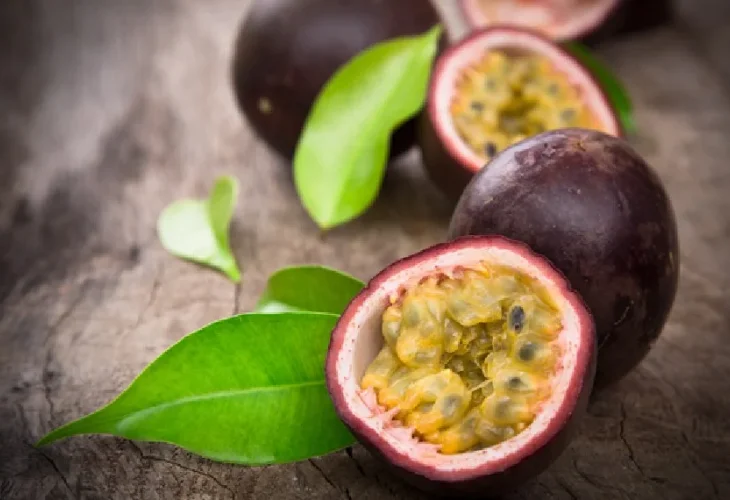
A unique plant and fruit known for both its beauty and taste is the passion fruit. Passion fruit can be found in a wide variety of products, ranging from popsicles to health and skincare items.
Beyond its distinctive aroma, does passion fruit also offer health benefits? To begin with, its benefits are found in the fruit, flowers, and leaves. In modern herbal medicine, the primary use of passion fruit is to calm conditions arising from excessive nervous activity. It is soothing in cases of restlessness, anxiety, and prolonged stress. It also helps induce sleep in cases of insomnia and may assist in situations of hyperactive behavior. In addition, it may be beneficial for individuals suffering from high blood pressure.
Passion fruit contains various vitamins and minerals but is especially rich in vitamin C, making it a fruit that supports the strengthening of the immune system. Even the seeds play an important role in maintaining health. They are rich in water-soluble dietary fibers, which have a significant impact on the digestive process. For example, these fibers help speed up evacuation in cases of constipation, provide a prolonged feeling of fullness—assisting in the treatment of overeating—and absorb sugar and cholesterol, thereby helping reduce their levels in the blood and preventing diabetes and cardiovascular diseases.
The juice of the fruit also contains substances that promote digestion and help cleanse the digestive system. You can purchase the fruit, and in warm regions, you can even grow it, though it is a climbing plant that requires a fence for support. It grows very quickly and can sometimes cover a fence within a year.
The harvesting of the fruit is also unique. Many people do not realize that passion fruit is eaten when its skin becomes dry. It does not need to be picked, because once it is ripe, it naturally falls. You can shake the bush to speed up this process and then collect the fruit from the ground. The fruit can be cut in half and eaten with a spoon, including the seeds.
As mentioned, both the leaves and flowers of the passion fruit can be used. Place a teaspoon of leaves in a cup, pour boiling water over them, wait about 10 minutes, then strain and drink. Note that the juice is not recommended for pregnant or nursing women. Additionally, since the plant has relaxing and sleep-inducing properties, the infusion should not be consumed before driving.
Eliahu Shechter is an iridologist and natural therapist.

