

Health and Nutrition
Not Just Delicious: Mango vs. Cancer
Beyond its rich flavor, the mango offers powerful antioxidants that help combat inflammation and the formation of cancer cells.
- Eliyahu Shechter
- | Updated
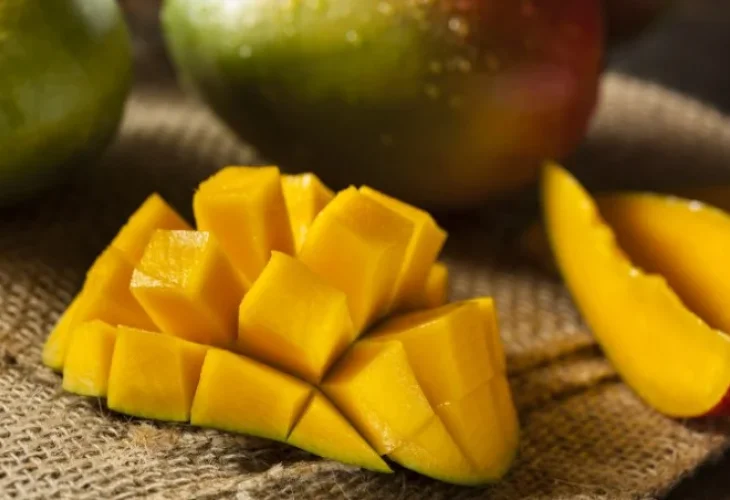
One of the juiciest and most flavorful fruits with a unique aroma found on store shelves is the mango. As it turns out, the mango offers numerous health benefits. Its orange hue indicates the presence of a well-known and important antioxidant called beta-carotene, which serves as a precursor to vitamin A. Mango also contains a high amount of vitamin C and other health-promoting components. However, this time I would like to focus specifically on its antioxidants in the context of preventing and limiting inflammatory processes in general, and the development of cancer cells in particular.
A study examined the effects of mango fruit extract on female cancers, colon cancer, lung cancer, prostate cancer, and leukemia. The compounds (polyphenols) found in mango extract affected all cancer types, with especially notable effects on female cancer cells and colon cancer. These compounds caused selective apoptosis of cancer cells, meaning the damage was inflicted only on cancer cells while leaving healthy cells unharmed.
Another interesting study examined the use of mango extract in patients with rheumatoid arthritis. After approximately six months of treatment, a significant reduction in pain levels and disease symptoms was observed, allowing for a decrease in the use of anti-inflammatory medications prescribed by physicians. Furthermore, it was found that the compounds present in mango extract have a protective effect on the liver, heart, blood vessels, kidneys, and other organs against oxidative damage.
It should be noted that while the active ingredients are present in the fruit itself, they are found predominantly in the peel—so much so that some even recommend eating the fruit with its peel.
In any case, it is advisable to combine mango consumption with nuts or non-roasted almonds, as they slow the rise in blood sugar levels after eating (glycemic index). It is important to note that some people develop allergic reactions to mango and tropical fruits in general. Therefore, individuals who enjoy mango but suffer from allergies should check whether avoiding mango reduces their allergy symptoms.
In addition to eating the fruit on its own, mango can be incorporated into fruit smoothies alongside apples, pears, berries, and similar fruits. It is always beneficial to add almonds or nuts to enhance flavor and help balance blood sugar levels. The smoothie can, of course, be consumed as a drink, or poured into molds to create a healthy, refreshing, natural summer popsicle.
Eliyahu Shechter is an iridologist and natural therapist.

