

Health and Nutrition
10 Amazing Facts About Turmeric
Why has turmeric captivated the medical community's attention in recent years, to the point where some doctors consider it a 'miracle cure' for cancer? Discover ten fascinating medical facts about this plant that is more than just a spice.
- Shira Dabush (Cohen)
- | Updated
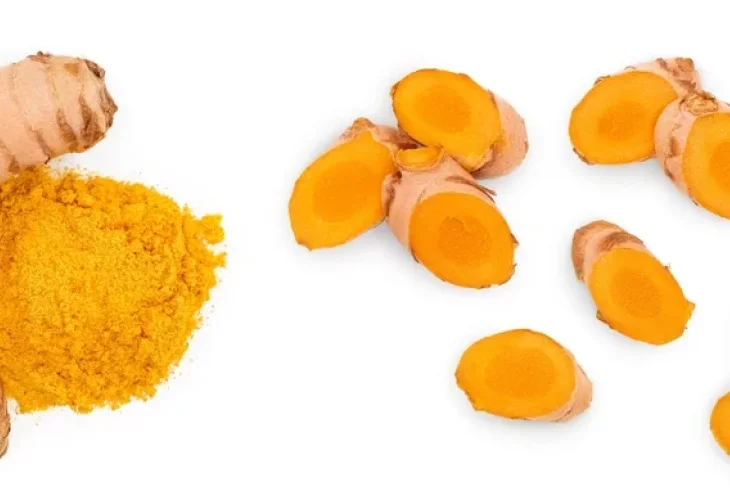
So what do we know about this spice, first discovered in India, besides the fact that it adds flavor to our dishes? Here are some facts you might not want to miss:
Curcumin is the active component of the turmeric plant. It contains yellow-orange pigments that belong to the polyphenol family.
Curcumin is rich in antioxidants and has powerful anti-inflammatory properties, making it highly effective in treating inflammation and infections.
The benefits of curcumin have been recognized in traditional medicine for centuries. Recently, however, scientific interest has increased, with numerous studies examining its potential connection to cancer treatment.
Some of these studies include:
a) A 2006 study at the University of Texas found that curcumin helped block the pathway of a hormone involved in the development of colon cancer.
b) Researchers at the University of California found a direct link between turmeric’s properties and the breakdown of brain deposits in Alzheimer’s patients.
c) A study conducted the same year at the University of Singapore found that turmeric use enhances cognitive abilities in the elderly, among other benefits.Some believe turmeric is more effective when cooked with oil, as it is better absorbed in the intestines this way.
With consultation from a homeopathic or conventional physician, curcumin can also be consumed in liquid extract form (such as Curcumol), which concentrates turmeric’s active components.
It is recommended to consult a doctor before consuming high concentrations of turmeric, as some patients report digestive irritation after increased use. There have also been occasional reports of liver damage or gallbladder contractions following prolonged and high consumption of the spice or its extract.
Turmeric helps treat a wide range of conditions, including blood purification, fever reduction, healing external wounds, treating stomach ulcers, and more.
Infants, pregnant or nursing women, and individuals with various medical conditions are advised to avoid turmeric altogether. Many doctors warn pregnant women not to use turmeric during pregnancy, as its antioxidant properties may increase uterine contractions.
Optimal absorption of curcumin is achieved when it is consumed with fatty foods such as olive oil and other oils, avocado, seeds, fish, and more.

