

Health and Nutrition
Want to Feel Happy? Eat More Fruits and Vegetables
A new study reveals that fruits and vegetables not only aid physical health but also quickly boost happiness and satisfaction levels.
- Hidabroot
- | Updated
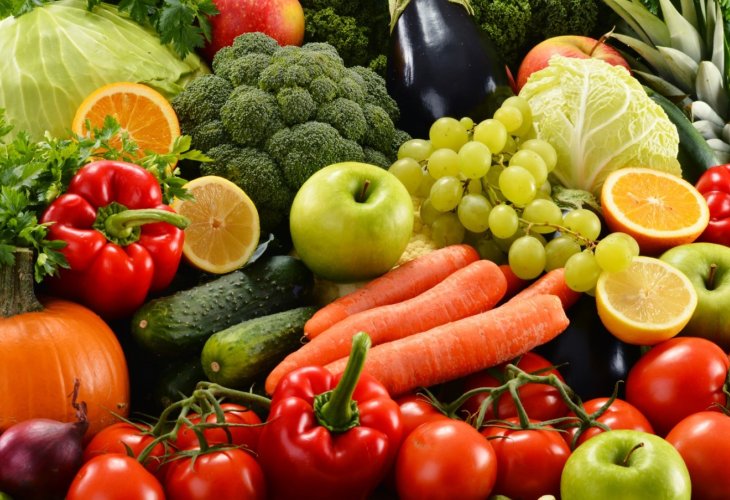
Everyone knows that fruits and vegetables are healthy and widely recommended foods. However, a new study from the University of Warwick in the UK and the University of Queensland in Australia has uncovered an additional, unexpected benefit: a significant improvement in happiness levels among those who consume them.
The researchers studied 12,000 randomly selected individuals who recorded everything they ate in a diary. At the same time, their levels of “psychological well-being”—a scientific term for happiness—were measured throughout the study period. The findings showed that eating fruits and vegetables likely boosts happiness much more quickly than it improves physical health. People’s motivation to eat healthily often declines because health benefits, such as cancer prevention, accumulate over decades. In contrast, the improvements in happiness associated with fruit and vegetable consumption are almost immediate.
How much should one consume to feel great? The researchers found that each additional serving of fruits and vegetables improves mood, up to eight servings per day, which provide the maximum benefit. This improvement is substantial: individuals who shifted from consuming almost no fruits and vegetables to eating eight servings daily experienced an increase in life satisfaction comparable to that of an unemployed person finding a job.
The researchers say the study’s results should influence how health professionals encourage people to increase their fruit and vegetable intake. Dr. Redzo Mujcic, a leading researcher at the University of Queensland, explains: “Our findings may be more effective than traditional messages in persuading people to adopt a healthier diet. There is an immediate psychological reward from eating fruits and vegetables—not just a reduction in health risks decades later.”
Further research will be needed to identify which components of fruits and vegetables contribute to feelings of satisfaction and happiness. The current hypothesis points to antioxidants, but the researchers caution that it is too early to draw definitive conclusions.

