

Health and Nutrition
Tu b'Shevat Nutrition Guide: Are Dried Fruits Really Healthy?
The hidden sugar in dried fruits, smarter choices for diabetics, and why nuts may be the healthier alternative
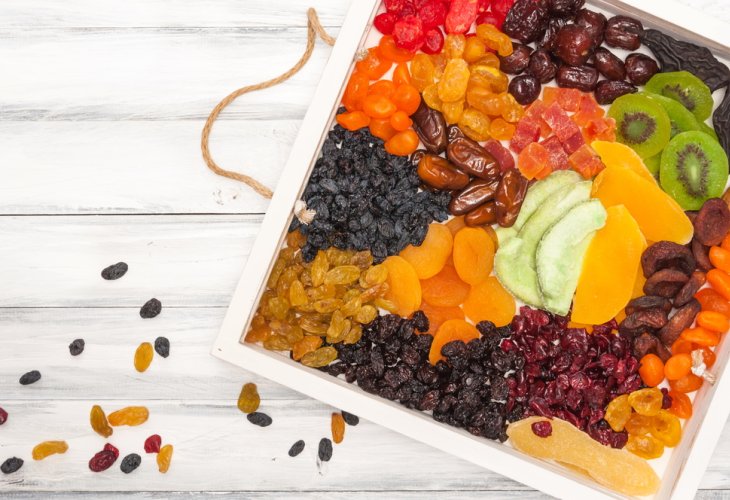 (Photo: shutterstock)
Who among us doesn’t associate the holidays with supermarket shelves? Ahead of the approaching Tu b'Shevat, we’re seeing elegant, colorful platters of dried fruits of every kind: pineapple, apricots, figs, raisins, dates, prunes. It’s common knowledge that dried fruits contain a lot of sugar and should therefore be avoided — but are they actually recommended from a nutritional standpoint?
What’s in Dried Fruits?
Dried fruits enjoy a health halo that isn’t entirely justified. On the positive side, since they are fruits, they do contain essential vitamins and minerals such as calcium, iron, and potassium, along with dietary fiber that supports digestion. However, it’s important to know that industrial drying processes — which involve heat treatment and the addition of chemicals, actually alter the fruits’ nutritional values, and these benefits are not always preserved.
When it comes to sugar content, let’s start with the bottom line: dried fruits contain a lot of sugar. In fact, their sugar concentration is about three to four times higher than that of fresh fruits, which already contain a fair amount of sugar themselves. A medium-sized fresh fruit contains about three teaspoons of sugar, while a large fruit can contain five to six teaspoons.
It’s also important to note that sour fruits do not necessarily contain less sugar; their sourness comes from organic acids that mask the sweetness. These facts are especially important for people with diabetes, who need to carefully manage their blood-sugar levels. Therefore, diabetics are advised to understand how dried fruits affect their blood sugar by checking glucose levels around the time they eat them — even if the portion is small.
If you do choose to eat dried fruits, it’s wise to make informed choices by checking the ingredient list. The first thing diabetics should ensure is no added sugar. Some dried fruits have sugar added on top of their naturally occurring sugars. In addition, if the list includes preservatives such as sulfites or sulfur dioxide, it’s better to avoid them, as some people are sensitive to these substances and may experience unpleasant symptoms like shortness of breath or nausea. Organic dried fruits without such additives are preferable.
You may also be surprised to discover that some dried fruits contain oil and artificial food coloring. For example, dried papaya often has the coloring tartrazine, which is not recommended for consumption. Choose dried fruits that use only natural colorings. Keep in mind that when you buy dried fruits by weight without labeled packaging, you’re essentially “buying a pig in a poke” — you have no way of knowing what was added to them.
What Should You Eat on the Holiday?
If you’re diabetic — or simply want to keep your sugar intake moderate, it’s recommended to avoid or significantly reduce dried fruits and instead choose another traditional Tu b'Shevat food: nuts. Nuts are rich in a wide range of nutrients and provide a healthy source of protein and fats. For diabetics, nuts consumed together with other foods contribute to a more gradual rise in blood sugar levels several hours after a meal. For example, eating fruit together with nuts or almonds slows digestion due to the fat content, resulting in a more moderate increase in blood sugar.
It’s best to choose nuts in their natural form, not roasted or purchased from snack shops. The fat in roasted nuts oxidizes and changes chemically, causing them to lose their health benefits, and snack-shop nuts are typically very high in salt. The main and almost only drawback of nuts is their high caloric value: 100 grams of nuts contain between 550 and 700 calories. Therefore, they should be eaten in moderation (or according to personalized advice from a dietitian). That said, nuts are extremely nutrient-dense, and just a small daily portion can provide significant nutritional value.
For people with diabetes — or anyone concerned about maintaining balanced blood-sugar levels, it’s clearly preferable to choose nuts over dried fruits, as nuts offer greater nutritional value with far less sugar. Nuts can also be used to prepare festive dishes and even desserts, making it entirely possible to enjoy a holiday that is both healthy and delicious.
Happy Tu b'Shevat!

