

Pneumonia Awareness Day: Pneumonia, Vaccines, and Everything In Between
Ahead of Pneumonia Awareness Day today, here are a few things you must know about winter illnesses.
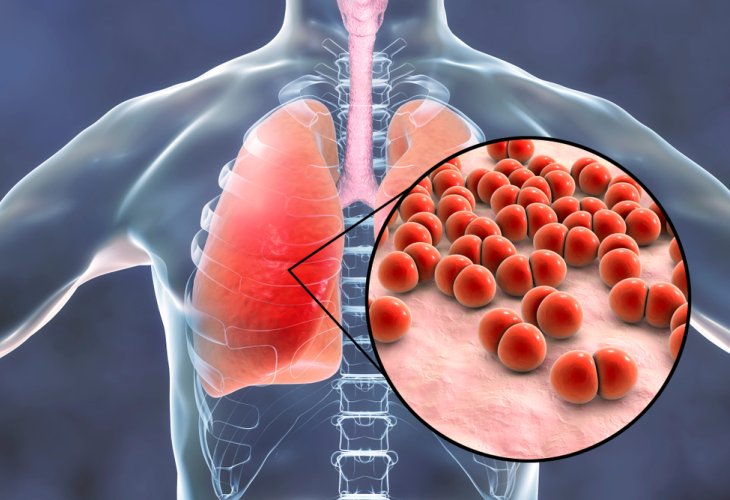 (Photo: shutterstock)
Ahead of Pneumonia Awareness Day today, here are a few things you must know about winter illnesses. Influenza and pneumonia affect almost all population groups and can sometimes complicate into severe health issues. So what is the recommended treatment for these diseases, how can they be prevented, and who is at risk?
Influenza and pneumonia are two diseases that can lead to various complications, particularly in infants, the elderly, and individuals with chronic illnesses, who are at increased risk of both contracting and complicating these diseases.
Influenza is caused by the influenza virus, characterized by cough, fever, runny nose, muscle aches, and weakness. In some cases, it can cause more severe complications such as ear infections, pneumonia, and even cardiac injury. Influenza is a seasonal illness occurring in the fall and winter (from November to March).
Pneumonia is caused by several viruses or bacteria entering the respiratory tract, leading to an inflammatory process in the alveoli where oxygen exchange from the air to the body occurs. The disease can cause breathing difficulties, cough, fever, and chest pain, and can, in some instances, lead to the infection spreading through the bloodstream to other body tissues and respiratory failure. Pneumonia is a disease that exists all year round.
Sometimes it is difficult to differentiate between pneumonia and influenza. Pneumonia, which is sometimes a complication of influenza, is among the leading causes of death in Israel, particularly among older adults with underlying conditions, especially during winter.. Pneumococcal pneumonia is caused by the "pneumococcus bacteria," one of the leading causes of hospitalization and death worldwide. This pneumonia is classified as "community-acquired" when it occurs in an individual who has not been in the hospital in the previous month and is classified as invasive when the bacteria cause infection beyond the lungs to the bloodstream.
Who is at risk?
As our immune system naturally weakens with age, the likelihood of infections is higher in infants and increases in those aged 65 and over. Individuals without a spleen or with a non-functional spleen (such as in thalassemia or sickle cell anemia), those with chronic kidney failure (including those on dialysis), individuals with cochlear implants, HIV-AIDS patients, individuals treated with steroids or immunosuppressive therapy (such as radiation or biological treatments), and transplant patients.
What can be done?
It's advisable to get vaccinated against influenza every year before winter starts (towards the end of October). The recommendation includes anyone over 6 months old, including healthcare workers, pregnant women, and immunocompromised patients (the injected vaccine is inactivated).
For pneumococcal pneumonia prevention, there are two vaccines available. One is the traditional "Pneumovax" vaccine, recommended for individuals with underlying conditions and those aged 65 and over. The vaccine is effective against 23 strains of the bacteria and is useful for preventing invasive disease, where the bacteria invade the bloodstream, and in preventing meningitis. Its effectiveness is limited in preventing non-invasive pneumonia. In recent years, a new vaccine called "Prevnar 13" has been administered since 2007 to every newborn in Israel to prevent meningitis in infants. This vaccine is also effective in preventing pneumonia in adults as it protects against 13 common bacterial strains. The vaccine protects against pneumococcus bacteria causing pneumonia, ear infections, bloodstream infections, and in severe cases, meningitis. Studies have shown a significant decline in pneumococcus morbidity post-vaccination.
It is important to remember that to achieve maximum protection, it is advisable to vaccinate with all three vaccines – annual influenza vaccine, one lifetime dose of Prevnar 13, and Pneumovax. The number of Pneumovax doses depends on the patient's age and health status (whether healthy or immunocompromised). It is crucial to get vaccinated these days.
Dr. Bibiana Hazon, Head of the Infectious Diseases Unit and Infection Prevention at the Emek Medical Center, Afula

