

Health and Nutrition
Tu b'Shevat & Dried Fruit: Health Benefits, Sugar Risks, and Smart Choices
How sugar content, portion size, and smart selection affect blood sugar, weight, and overall health
 (Photo: shutterstock)
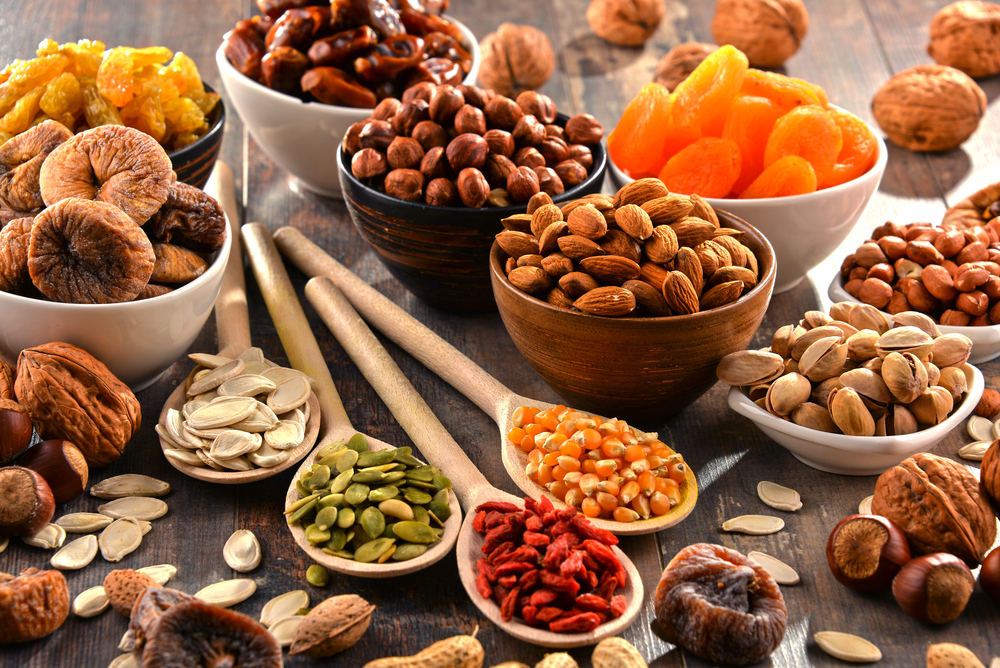
One of the customs of Tu b'Shevat is to eat dried fruits. Following is an overview of the benefits and drawbacks of consuming fruit in general, and dried fruit in particular.
Eating fruit is a tasty way to curb hunger and provides many of the nutrients the body needs. However, most fruits contain sugar, which raises the question of whether they are healthy for people with diabetes. Fruits can be eaten in many forms — fresh, frozen, canned, dried, cooked, or processed. Most fresh fruits are rich in nutrients and low in fat and sodium. For example, bananas contain potassium and tryptophan, while citrus fruits contain vitamins A and C — both powerful antioxidants.
What are the limitations?
A small to medium-sized fruit contains at least about three teaspoons of sugar, while a larger fruit may contain five to six teaspoons of sugar. The sugar concentration in dried fruits is three to four times higher than in fresh fruits (due to dehydration and sometimes added sugar). It is important to know that a sour taste does not indicate lower sugar content — the sourness comes from organic acids that mask the sweetness. In other words, a sour fruit does not necessarily contain less sugar.
The main sugar in fruit is fructose, which is absorbed into the bloodstream very quickly and can cause a rapid rise in blood sugar levels. Excess fructose can increase blood triglycerides, a known risk factor for cardiovascular disease. Reducing sugar intake — including sugar from fruit, has been shown to significantly improve triglyceride levels within just a few weeks.
Fresh or frozen fruits are therefore the preferred option over processed fruits that come canned or dried. Processed or cooked fruits are often digested more quickly, leading to a faster spike in blood sugar levels. In addition, important health-promoting components, including vitamins and dietary fiber, may be lost during processing.
What is the recommended amount?
For healthy individuals, the general recommendation is up to 2–3 fruits per day. People with high triglycerides, diabetes, fatty liver disease, or obesity should consult a clinical dietitian regarding their recommended fruit intake, as in many cases this amount is reduced to 1–2 fruits per day. Naturally, it is preferable to consume fruits fresh—rather than canned, dried, or as juice.
The timing of fruit consumption should also be determined together with a dietitian, based on the individual’s lifestyle, preferences, and any medications they may be taking.
 (Photo: shutterstock)
Which fruits are best?
In the past, it was common to recommend fruits considered to have a low glycemic index — meaning they were thought to break down more slowly into sugar. In recent years, however, it has become clear that each person has a personal glycemic response, and that there is no definitive or universally agreed-upon glycemic index ranking for foods. As a result, there are no absolute “allowed” or “forbidden” fruits.
It is recommended that individuals use continuous glucose monitoring to check which fruits cause smaller increases in their blood sugar. To do this properly, fruits should be eaten one at a time, separately, and not following a meal. This makes it possible to observe how each fruit affects blood sugar at different times.
What about dried fruits?
Dried fruits can be part of a healthy diet, but they should be consumed with caution and in small portions due to their high sugar content. It is best to avoid sweetened dried fruits. Even when no sugar is added, dried fruits still contain a high concentration of natural sugars.
A better alternative to dried fruits is whole, fresh fruit. Instead of a package of dried fruit, eating one whole fresh fruit provides a larger volume with less concentrated sugar.
In addition to being a traditional holiday food, dried fruits often have a “health halo” that is not entirely justified. While they do contain essential vitamins and minerals such as calcium, iron, and potassium, as well as dietary fiber that aids digestion, their sugar concentration and caloric value are high. Industrial drying processes often involve heat and chemical treatments that alter the fruit’s nutritional value.
When choosing dried fruits, it is important to check the ingredient list for preservatives and additives, some of which may cause side effects when consumed in large amounts. Substances such as sulfites or sulfur dioxide, commonly found in dried fruits, can cause shortness of breath, nausea, or diarrhea in people who are sensitive or allergic. Those who wish to avoid these substances should opt for organic products.
Some dried fruits also contain artificial food colorings — sometimes even those that are not recommended for use due to potential health risks. For example, dried papaya often contains a coloring agent called tartrazine, which is not recommended for consumption. Be mindful of food dyes and prefer only natural colorings.
Another important tip is to look for dried fruits without added sugar or oil, information that should appear on the ingredient list. When buying dried fruits sold loose and without packaging, you are essentially buying “a pig in a poke” — you have no way of knowing what has been added. For instance, when pineapple is dried, it should not appear fluorescent green.
Wishing you a happy and balanced Tu B'Shvat.

