

Passover
How to Get Through Passover Without Gaining Weight: 10 Essential Tips
With plenty of vegetables, fruits, and physical activity—and without chocolate-covered matzah—naturopath Sarah Bar-Asher explains how to get through Passover without significant weight gain.
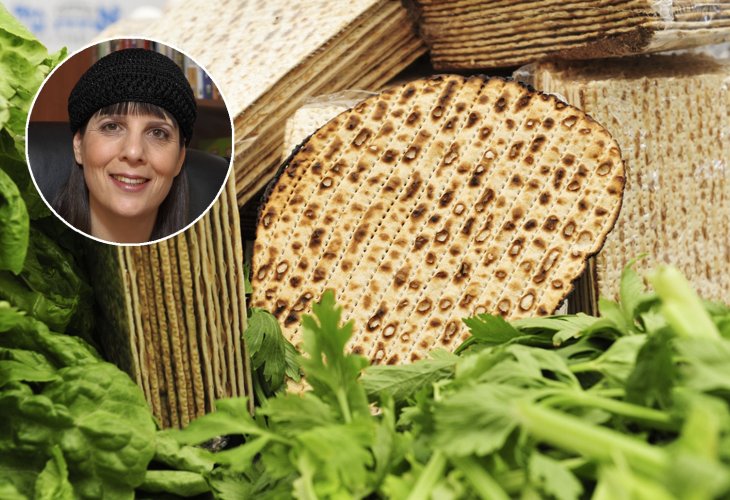 In the circle: Sarah Bar Asher (Photo: Private Album)
1. The Key Decision: Choosing your Matzah
“If we want to get as close as possible to the matzot the Israelites ate when they left Egypt,” says naturopath Sarah Bar-Asher, “we need to remember that they ate whole-grain matzot—the only type of flour available at the time. There was no white flour and no machinery to separate the bran from the wheat; that process emerged only in the 19th century. More precisely, the Israelites ate matzot made from whole spelt flour, which was the closest grain to ancient wheat—and naturally, it was organic, since pesticides weren’t invented until the 20th century. So anyone who wants matzot that resemble those of the Israelites should choose organic spelt matzot, which are also significantly healthier.”
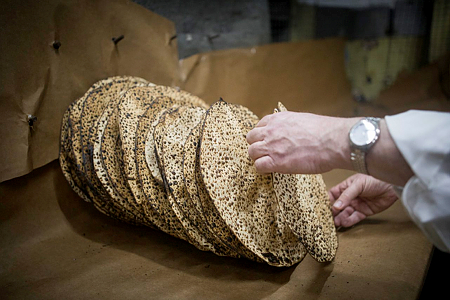 You can eat one a day (Photo: Flash 90)
Guarded matzot (matzah shmura) contain a relatively good amount of dietary fibers, while the least beneficial are matzot made from white flour. There are also matzot with added wheat bran, but bran should ideally be part of the whole grain itself. Added bran contains phytic acid, which accelerates the excretion of important minerals from the body—such as calcium, magnesium, and iron.
Of course, spreading chocolate on matzah or eating candies with artificial food coloring is unnecessary. These gimmicks only introduce toxins into our holy bodies. It’s far better to enjoy simple, original matzot with real, organic spreads. And let’s not forget that a matzah has a much larger surface area than a slice of bread—so when we spread chocolate on a matzah, we end up consuming far more than we would on a regular slice of bread.
2. Kneidlach – To Skip or to Eat?
Those who eat gebrochts are familiar with the traditional taste of these Passover dumplings. They can be prepared from whole matzah flour—whether whole wheat or whole spelt—which makes them a healthier option. On the Seder night, many have the custom of serving chicken soup with kneidlach, but throughout the rest of the holiday you can enjoy a rich vegetable soup full of minerals and vitamins, adding just a few kneidlach for flavor and tradition. There’s no need for many of them—and it’s best not to overdo it.
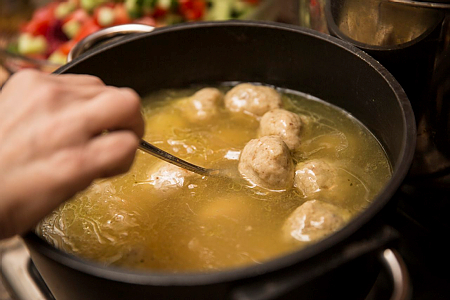 You can do without kneidlach on the holiday (Photo: Flash 90)
3. What About Drinking Wine? Each Glass Equals at Least 100 Calories.
Indeed, you must consider that, for example, drinking the four cups of wine during the Seder night can amount to the calorie intake of a meal - 400 calories. Therefore, eat vegetables and fruits, and fewer calorie-dense foods, and the next day compensate - not by dieting, but by remembering we've had a significant calorie boost - and reduce in other areas.
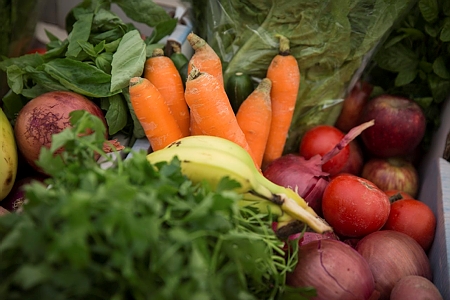 You can go through Passover - without gaining weight (Photo: Flash 90)
4. Consume Fruits and Vegetables
Sarah emphasizes the benefit of having three different types of fruits daily, including the holiday evening. A serving of fruit like an apple or 2 small clementines, a cup of grapes (not for diabetics) is extremely beneficial for your digestive system. And vegetables of course - the more vegetables, the better. They help you feel full and reduce your desire to oversnack. Vegetables can be enjoyed in many forms—salads, soups, cooked or steamed dishes, vegetable sticks, and of course antipasti, which are delicious, satisfying, and nutritious when prepared with olive oil that is kosher for Passover.
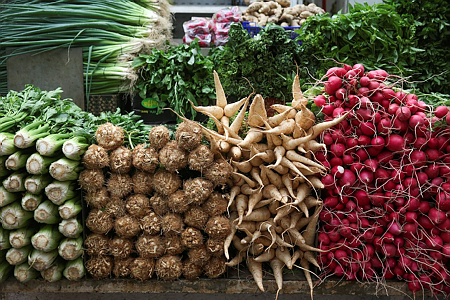 It's recommended to consume a lot of vegetables and drink water (Photo: Flash 90)
5. What Should Those Who Don't Eat Legumes(Kitniyot) Do?
For breakfast, you can have one whole-grain matzah with cheese or avocado—and for those with a sweet tooth, a little honey or sugar-free jam,” says Sarah. She further recommends: “At around 10:00, have two fruits and a handful of almonds. For lunch, enjoy chicken with potatoes; some also have the custom of eating quinoa, which according to certain opinions is not considered a legume. You can switch it up with sweet potato or Jerusalem artichoke—just don't forget to give it a rinse and a quick ‘bug check,’ so no tiny guests join your meal. In the afternoon, have another fruit, and in the evening, a portion of fish or tuna with vegetables.
6. Make a Healthy Charoset
Sarah's recipe: 4 peeled and chopped apples, 250 grams of pitted dates (Medjool), 250 grams of black raisins. 2 cups of water, 1/3 cup of ground almonds, a cup of sweet red wine, 3 tablespoons of lemon juice. Place the apples, dates, raisins, and water in a pot. Bring to a boil and then cook for about twenty minutes until the fruits are soft. Drain the fruits and mash them with a fork. Add the almonds, wine, and lemon juice. And there you have it — a delicious and healthy charoset!
7. True, We Are On Vacation, But Don't Abandon Physical Activity.
Instead of sitting at home and mindlessly scraping down the ends of the Passover cookie batch, it’s far better to step outside and take a walk. In general—walk as much as possible. Getting into a habit of walking helps us eat less, move more, breathe fresh air, and take in beautiful views. It’s a simple and enjoyable way to keep the body going. There are so many benefits to walking! Beyond that, you can maintain an enjoyable fitness routine for you—staying active is ultimately a matter of health awareness and prioritizing your well-being. And who knows? You might even discover that your new favorite holiday treat is… a really good walk.
8. Less Frying and Less Oil: The Baking Alternative
"For some reason, Passover has turned into a holiday of frying," says Sarah. Even those who don't fry often all year and know that regular processed oils are unhealthy because they have undergone 'chemical abuse', and of course are fattening - find themselves frying very often during this holiday. Frying reminds us of childhood tastes and tradition. Anything that can be fried - is fried, whether it's pancakes or matzot or Latkas or you name it! But what does it have to do with Passover? Nothing about exiting Egypt has to do with fried foods. Passover doesn't get the same oil excuse as Hanukkah! With that being said, you can bake matzah delicacies with olive oil. Baked matzah is very tasty. Even if at first the taste is different - you get used to it, and afterward, you won't want to go back to eating fried matzah. Frying is really unnecessary, especially when we have seven days of holiday. However, if you’re at family meals where fried foods are served, try sampling just a little of each dish. That way, you can enjoy the flavors without overindulging. Best of both worlds!
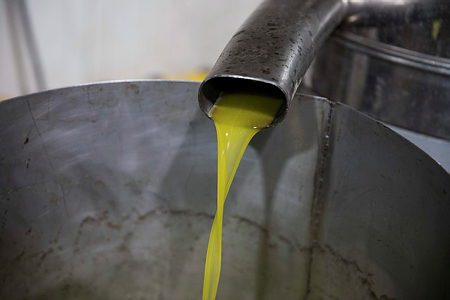 You can bake with olive oil instead of frying (Photo: Flash 90)
9. The King of the Holiday — Chocolate: How Much is Okay, If at All?
"I ask - what's the connection to Passover?", says Sarah. "Chocolate came to us with the discovery of America, really not related to the Exodus from Egypt. We go on trips during Chol Hamoed, we don't want the food to spoil, and spreadable chocolate doesn't spoil, so it's convenient. But you can spread jams without added sugars or artificial sweetners or honey that hasn't been heated. Alternatively, avocado is also in season. You don't have to eat matzah with chocolate, especially since it turns out we end up overdoing it and eating way too much chocolate."
10. Advice for People Suffering from Constipation: Is Drinking Soup Recommended?
"There's no connection between constipation and Passover. If you eat one matzah a day from whole wheat, and don't binge eat all day - there's no reason for constipation to occur. Of course, it's recommended to move, to get the blood flowing, to drink water, and to consume vegetables and fruits that activate our digestive system. There's no reason to suffer from constipation during the holiday unless you eat an excessive amount of matzot, drink less water, and don't move your body. Whole wheat matzot (whole spelt or whole wheat) do not cause constipation. Besides, for every matzah you eat, you should drink a glass of water, and besides, drink water or herbal tea anyways, not sugary drinks that cause constipation. You can also do sit-ups that massage the upper and lower abdomen and speed up bowel activity. If someone can't eat matzot because they really make them feel bad - they can eat the matzot during the Seder night, and during the rest of the holiday manage with other foods and substitutes."

