

What Happens to Your Body the Day You Quit Smoking?
Cigarette smoke contains thousands of substances, including hundreds of toxic chemicals and dozens of carcinogens. These substances are absorbed into the smoker's body during smoking and can impact health, affecting almost every organ. But what happens to the body's organs when you decide to quit smoking?
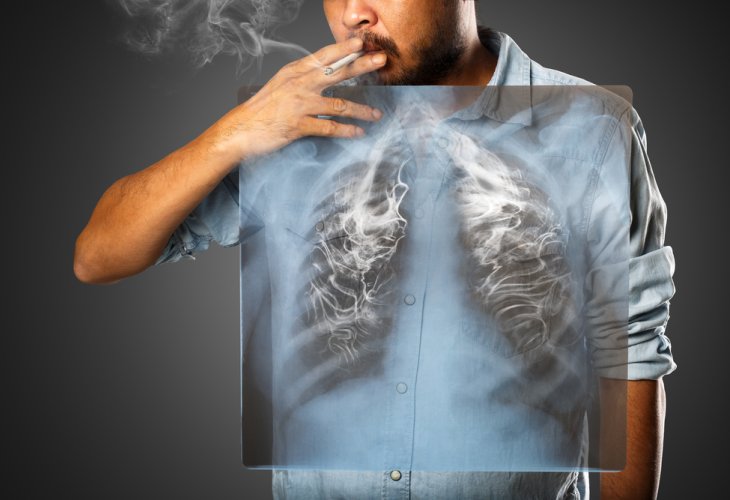 (Photo: shutterstock)
The good news is that even if you smoke, you can contact your family doctor today for help with quitting smoking and avoid the damages caused by smoking. So what benefits can you expect if you quit smoking today?<\/p>
- Eyes <\/strong>- Numerous studies have demonstrated the link between smoking and eye diseases such as cataracts and retinal damage. If you quit smoking, the risk of eye damage significantly decreases.<\/li>
- Osteoporosis<\/strong> – It has been proven that smoking increases the risk of developing osteoporosis - a calcium loss from the bones making us vulnerable to fractures even during regular daily activities. Quitting smoking stops the deterioration and allows the bone to try to recover.<\/li>
- Teeth and Gums - <\/strong>Many studies have shown that smoking can affect the healing process between the bone and the implant after dental implants. Therefore, quitting smoking can be beneficial after dental implants. Dentists often refuse to perform implants and treatments related to the bone if you are still smoking.<\/li>
- Body Odor - <\/strong>We all recognize that look when we enter a room after smoking in it. Often smokers try to use various products to mask the smell of cigarettes, even planning their day to avoid such embarrassing post-smoking situations. Quitting smoking will help you enter a room without feeling guilty or needing to wear perfume.<\/li>
- Facial Skin - <\/strong>Smokers' faces have a unique appearance: grayish skin tone, wrinkles on the upper lip, and cheek wrinkles stretching from the corner of the eye to the mouth corner. Smoking increases free radicals in the skin that bind to genetic material. This genetic structure change leads to signs of skin aging and the risk of pre-cancerous skin lesions. The nicotine in cigarettes causes blood vessels to constrict, affecting blood flow to the skin. With less blood coming in, the skin doesn't get enough oxygen and vital nutrients like vitamins. Additionally, many of the thousands of chemicals in cigarettes damage collagen and elastin that give the skin its strength and elasticity. As a result, the skin becomes "thinner" and less elastic, leading to wrinkles. Even repeated exposure to heat from the burning cigarette and facial expressions made during smoking contribute to wrinkle formation. Already a month after quitting smoking, you can prevent this. Quitting smoking will improve blood flow to the facial skin, and shortly after stopping, you can expect compliments on your new look.<\/li>
- Improvement in Taste - <\/strong>Within a short time - even two days - after quitting cigarettes, nerve endings begin to regrow, improving taste and smell senses. Flavors become more pronounced: sweet is sweeter, salty is saltier, etc.<\/li>
- Lungs – <\/strong>Smokers have up to a 20 times higher risk of getting lung cancer compared to non-smokers. Quitting significantly reduces the risk. The risk of the disease decreases sharply, so much so that within a year after you extinguish the last cigarette, the risk of dying from lung cancer is halved.<\/li>
- Blood Pressure - <\/strong>Within 20 minutes of the last cigarette, the body feels the change. Blood pressure, heart rate, and blood flow improve. These are the first signs that you're on the right track.<\/li>
- Heart and Cardiovascular Diseases - Smoking is the primary behavioral risk factor for the onset of coronary heart disease and cardiovascular diseases. Much more than poor diet, lack of physical activity, or excessive alcohol consumption. Smokers are 2-4 times more likely to have heart diseases and stroke compared to non-smokers. The vast majority of young people suffering from heart disease are actually... smokers. Within a month of the last cigarette, the risk of a heart attack decreases significantly.<\/li>
- Fertility Loss – Even before discussing the risks of smoking during pregnancy for both the mother and fetus, smokers, both men and women, suffer from reduced fertility and difficulty conceiving, often leading to fertility treatments that could have been avoided.<\/li><\/ul>
Dr. Yossi Azouri is a family medicine specialist, diabetes consultant, smoking cessation advisor, and one of the founders of the Society for Prevention and Cessation of Smoking in Israel (under the Medical Association)..<\/strong><\/p>
- Osteoporosis<\/strong> – It has been proven that smoking increases the risk of developing osteoporosis - a calcium loss from the bones making us vulnerable to fractures even during regular daily activities. Quitting smoking stops the deterioration and allows the bone to try to recover.<\/li>

