

4 Reasons Your Diet Fails
Statistics indicate that over 95% of people who attempt dieting fail. So why are the success rates so low? What mistakes are we making in our diets? And how can we lose weight the right way, without suffering, while enjoying a healthy lifestyle?
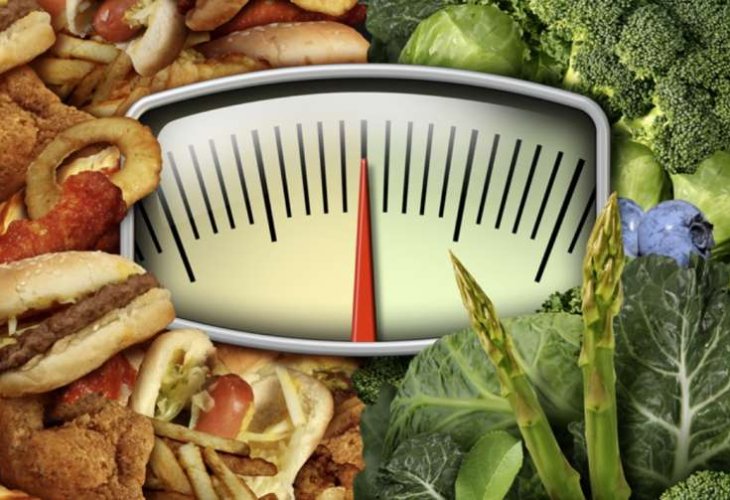 (Photo: shutterstock)
Surely you are familiar with the "yo-yo" diet. No, there's no actual diet by this name, but it refers to a phenomenon that repeats itself for most people who try dieting. Many begin with good intentions to lose weight, starting a low-carbohydrate, low-fat, Mediterranean, or any other diet you might choose. After a few days, or weeks at best, willpower crashes amid bites of cheese with dulce de leche, and the dream of a slim, healthy body drowns in a glass of sugary cookie milkshake.
Why does this happen? What causes intelligent, educated people, who understand that excess fat is a real health threat, to repeatedly fall into the trap of high-fat foods? Why are we continually drawn into the frustrating cycle of dieting, weight gain, and dieting again, repeatedly?
Why can a mature adult, who can meet significant goals at work, not manage to shed the annoying fat that causes illness and discomfort in social settings?
Many researchers have analyzed the failure to lose weight and tried to understand why there's over a 95% failure rate in diets worldwide. Studies show there are four main reasons for diet failure. If we can address them and find the right solutions, we have a chance to break the statistics and successfully lose weight over time.
1. Time-limited diets instead of lifestyle changes
The Problem - People start a diet thinking it's a time-bound process, after which they can binge at will. There are two main errors here: first, someone prone to gaining weight must maintain a healthy lifestyle throughout life; otherwise, the weight will return. Secondly, the central reason for diet failures is the subconscious knowledge that one will return to sweet and fattening foods, which leads to constant cravings and eventually quitting the diet—since our bodies aren't made for exhausting battles.
The Solution - Embrace a healthy lifestyle. This doesn't mean only eating nuts and tomatoes all day. Today, there are diet programs allowing enjoyment of nutritious and tasty meals, feeling lighter, and experiencing energy throughout the day.
2. One slip-up means the end of the diet
The Problem - In a long dieting journey, setbacks happen. In a moment of weakness, you might devour a chocolate bar or delicious cheesecake. Then you think, "That's it, the diet is over, no point continuing." A one-time lapse becomes a downward spiral.
The Solution - Remember the words of King Solomon in Proverbs, "The righteous may fall seven times and rise again." Even if you slip, not everything is lost; it's time to buckle up and return to the diet with full strength. Setbacks are part of the beautiful, challenging journey to a healthy, slender body.
3. Overcompensating for success or failure
The Problem - What happens when our mood suddenly changes, for example after acing an exam? We want to reward ourselves with a pack of ice cream. Or if we experience failure and our mood crashes, we try improving it with a dulce de leche cake.
The Solution - The ideal way is to initiate a mental shift: enjoying the feeling of lightness as compensation, not food. This process involves repeating new thoughts and exercises that assist us. Until the desired change occurs, a small package of cookies or ice cream as compensation is manageable, avoiding excessive eating.
4. Not taking responsibility for one's life
The Problem - We've reached perhaps the main reason. Some fail at diets, blaming it on weak character or lack of willpower. They attribute failure to a higher force. Some even allege poor genetics are to blame. Ultimately, they don’t take responsibility for their health and life.
The Solution - Start taking responsibility, and seek ways and tools to manage weak willpower or difficulty in physical activity.

