

Health and Nutrition
Which Nuts Are the Healthiest? A Complete Guide to Almonds, Walnuts, and More
Discover the nutritional benefits of every nut, and how to choose and eat them wisely
 (Photo: shutterstock)
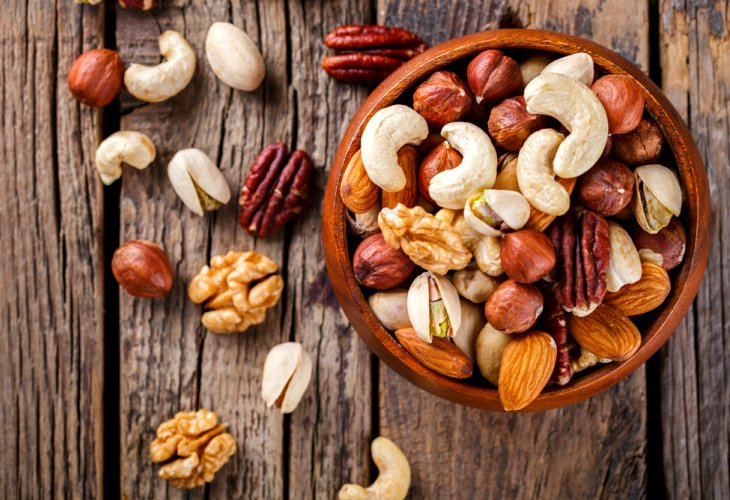
Studies show that incorporating nuts into a daily diet that controls total calorie intake can help with weight maintenance and even weight loss. Nuts are rich in fiber, fat, and protein, which increase satiety and help regulate food intake. Research has found that adding a handful of nuts to the daily menu can reduce the feeling of “deprivation” that often accompanies weight-loss efforts.
Digestive system support
Research indicates that including nuts in the daily diet helps regulate digestive function. Nuts contain both soluble and insoluble dietary fiber. Insoluble fiber increases stool volume and speeds intestinal transit, supporting regular digestion. Soluble fiber serves as a nourishing substrate for beneficial gut bacteria and helps reduce levels of “bad” LDL cholesterol in the blood.
Which nut is the best?
Almonds
Rich in monounsaturated fatty acids, which help raise levels of “good” HDL cholesterol. HDL assists in clearing LDL from the bloodstream, reducing the risk of heart disease. Almonds are also high in calcium and contain up to twice as much fiber as many other nuts. They are a good source of vitamin E, a powerful antioxidant.
(575 calories per 100 g.)
Walnuts
Exceptionally rich in omega-3 fatty acids, which support heart health, reduce inflammation, are essential for fetal brain development, and have antidepressant properties. Omega-3s are essential fats, meaning the body cannot produce them and must obtain them from food. Consuming 14 walnut halves per day as part of a balanced diet provides the recommended daily intake according to guidelines published in 2002 by the National Academies’ Institute of Medicine. (650 calories.)
Brazil nuts
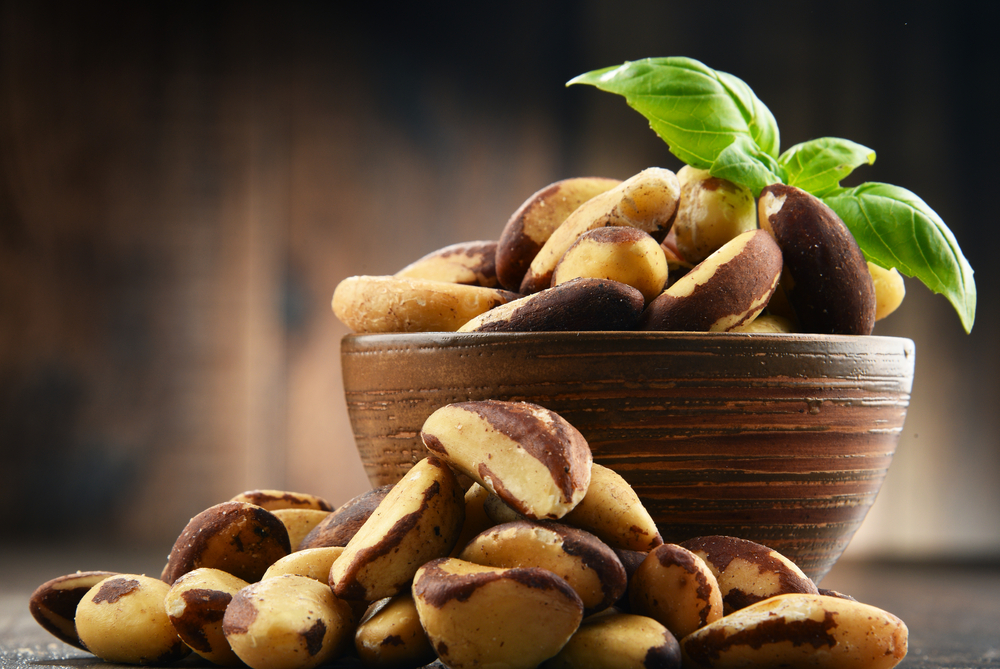
Contain a high amount of unsaturated fatty acids that help raise HDL cholesterol and reduce heart-disease risk. They are the richest natural source of selenium, a powerful antioxidant that fights free radicals, slows aging, and may reduce the risk of certain cancers such as lung and prostate cancer. Each Brazil nut contains about 80–100 mcg of selenium, and the upper safe intake limit is 400 mcg per day. Consuming more than five Brazil nuts daily is not recommended due to potential toxicity. (655 calories.)
Peanuts
Rich in protein, potassium, B vitamins, and iron. Although technically legumes, their nutritional profile is similar to that of nuts.
28 g of peanuts provide about 10% of the recommended daily intake of folic acid, which helps reduce the risk of birth defects and cardiovascular disease. Peanuts are also a good source of niacin (vitamin B3), which helps lower LDL and raise HDL cholesterol.
(580 calories.)
 (Photo: shutterstock)
Cashews
High in protein and minerals such as zinc and iron. Cashews contain about twice as much iron as most other nuts. Iron is essential for red blood cell production, preventing anemia, and supporting many enzymatic processes in the body. Zinc supports healthy hair, skin, nails, immune function, and fertility. (600 calories.)
Pecans
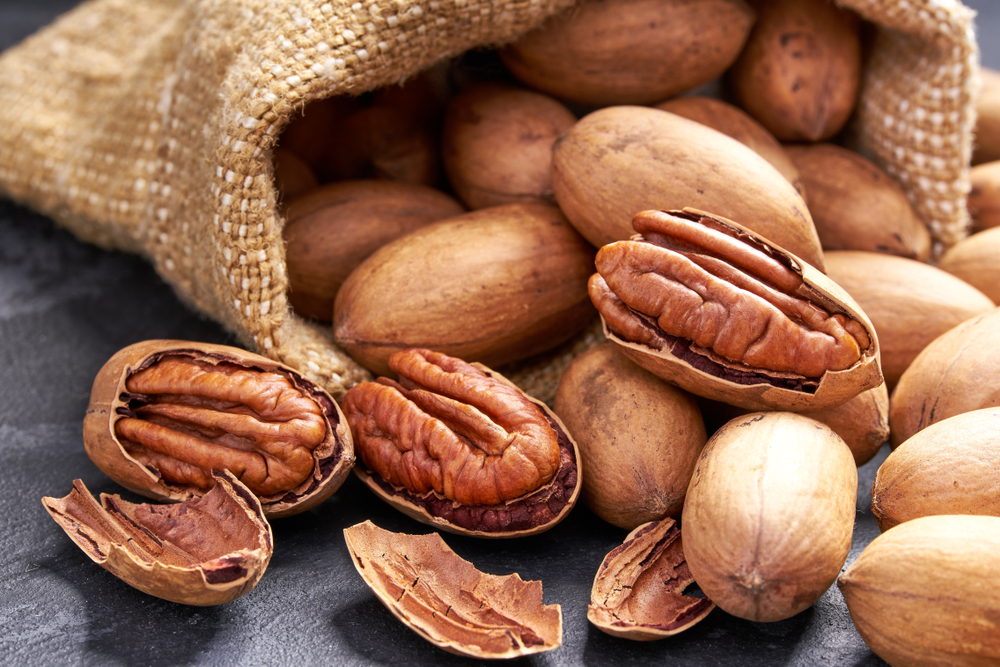
Rich in vitamin A and zinc, which support skin, hair, nail health, and immune function. Also high in dietary fiber. (730 calories.)
Hazelnuts
Contain minerals such as potassium, manganese, and iron. Rich in vitamin C, which aids wound healing, tissue health, and iron absorption, as well as vitamin E. Vitamins C and E work together to combat free radicals. Hazelnuts are also high in folic acid. (630 calories.)
Macadamia nuts
High in dietary fiber and monounsaturated fats. A good source of iron, calcium, phosphorus, and vitamin B1 (thiamine). (730 calories.)
Pistachios
Rich in vitamin A, fiber, and protein, contributing to satiety. Also high in potassium and B-group vitamins. (570 calories.)
Sunflower seeds (black seeds)
Rich in essential amino acids, recommended for pregnant and nursing women, and support milk production. High in vitamin E.
(540 calories.)
Pumpkin seeds (white seeds)
Rich in omega-3 fatty acids, which help prevent arterial calcification, lower blood pressure, and reduce cardiac arrhythmias. (580 calories.)
 (Photo: shutterstock)
Nuts and seeds are naturally low in sodium, but salting them significantly increases sodium content and raises the risk of high blood pressure. Roasting can damage the nutritional quality of nuts; peanuts, cashews, seeds, and pistachios should be dry-roasted only.
It is best to purchase fresh nuts from reputable vendors to avoid mold, and to store them in a cool, dry place. For people with diabetes, portion control is especially important, ideally combined with continuous glucose monitoring and consultation with a clinical dietitian.

