

Magazine
The Rambam and the Mediterranean Diet: Science-Backed Principles for Healthy Eating and Long-Term Wellness
How Maimonides’ nutrition guidelines align with modern medical research on disease prevention and balanced living
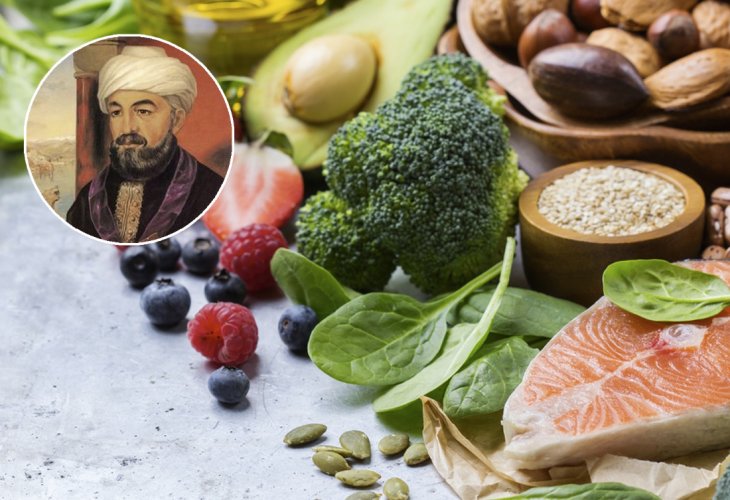 (Photo: shutterstock)
Healthy eating is essential for the proper functioning of all body systems, and its influence goes far beyond the digestive system. Among other things, Maimonides (the Rambam) placed great emphasis on healthy nutrition and gave us guidelines that continue to guide us to this day. He also favored what we know today as the Mediterranean diet.
It is remarkable to discover that what the Rambam taught hundreds of years ago has been scientifically confirmed in international studies over the past decades.
Scientific Validation — The “Seven Countries Study”
The Mediterranean diet is recommended by Israel’s Ministry of Health and by leading medical institutions such as Ichilov Hospital. Its health benefits were scientifically demonstrated in a major international research project conducted over about 50 years — the “Seven Countries Study.”
The study included:
United States
Japan
Greece
Italy
Finland
Netherlands
Former Yugoslavia
It was led by the renowned American researcher Dr. Ancel Keys, who investigated the connection between nutrition and cardiovascular diseases, along with other illnesses.
The study’s findings are consistent with the Rambam’s approach and can be summarized as follows:
Plant-Based First — At Least 80% From Plant Sources
Consume 80% or more plant-based foods versus up to 20% from animal sources.
Plant-based foods provide essential vitamins and minerals that support:
Nervous system function (e.g., B-vitamins)
Immune system function (e.g., Vitamin C)
Animal-based foods include:
Meat
Poultry
Dairy products
Fish
Eggs
Research shows that frequent consumption of animal products increases inflammation and acidity in the body — therefore their intake should be reduced or limited, and when consumed, fish, eggs and poultry should be preferred over meat and dairy.
Plant-Based Food Groups
Fruits
Fruits contain fructose, a natural fruit sugar that converts to glucose more gradually in the body. Scientific research shows that although fructose raises blood sugar levels and provides immediate energy, about two hours later its levels drop slowly and moderately, leading to:
Less hunger
Fewer irritability swings
Greater energy stability
Vegetables
The goal is to diversify and not rely only on common staples like cucumbers and tomatoes.
Practical tip: Each time you shop, choose a new or less familiar vegetable and try creative recipes to enrich your menu.
Organic produce — when possible
Sometimes seasonal organic fruits and vegetables are available at similar or only slightly higher prices. It’s worth checking markets or online sources.
Eat vegetables and fruits of different colors
Each color contains unique phytonutrients that support different body systems.
For example, sweet potato, carrot and pumpkin contain beta-carotene, which converts into Vitamin A — an antioxidant essential for:
Immune health
Vision
Cellular protection
The Rambam also recommended eating fruits in their natural season:
Watermelon — summer
Oranges — winter
Grapes, mango and even avocado — in season
Even though modern technology allows frozen fruit year-round, his guidance emphasized seasonal consumption.
Legumes
Legumes provide plant-based protein, along with many minerals and vitamins.
Examples include:
Lentils (red, green, or black)
Chickpeas
Beans (including adzuki, mung, etc.)
Peas
Fava beans (for those not sensitive)
Black-eyed peas
Soy
Buckwheat and quinoa (often sold as grains but nutritionally similar to legumes)
Quinoa contains complete protein — meaning it provides all essential amino acids and is especially valuable for vegetarians and vegans.
Recommended preparation:
Soak legumes overnight in a covered bowl of water
Improves digestion
Reduces phytic acid
Enhances vitamin and mineral absorption
Whole Grains
Whole grains are very important for health because they contain:
Dietary fiber
Vitamins
Minerals
These nutrients are found in the grain’s outer layer — which is removed in refined (“white”) grains.
Refined grains are empty carbohydrates, lacking fiber and key nutrients.
Examples of grains:
Wheat
Rye
Spelt
Oats
Barley
Rice
Whenever possible, choose whole-grain versions and explore recipes that make them tasty and satisfying.
A Gift From Creation
The Creator has given us a world filled with abundance of fruits, vegetables, legumes and whole grains. Our role is to benefit from this natural bounty and enjoy food that is healthy, flavorful and nutritious, thereby supporting the proper function of all body systems.

