

Health and Nutrition
Dr. Dean Ornish Lifestyle Program: The 4 Pillars of Heart Health and Disease Prevention
A science-based holistic approach to healing and long-term wellbeing
 (Photo: shutterstock)
Dr. Dean Ornish is a leading American cardiologist who, over the course of 30 years, treated tens of thousands of patients suffering from heart and vascular disease. Throughout his years of clinical work and research, he developed a lifestyle-based health model that has been scientifically and medically proven to help prevent and even reverse certain conditions.
His model is built on four interconnected pillars, each essential to healthy living and disease prevention:
1. Healthy Nutrition
Nutrition plays a central role because it provides the body with the physical “fuel” and energy it needs to function, with God’s help.
Maimonides (the Rambam) also emphasized extensively the importance of proper nutrition and its impact on health.
2. Physical Activity
Research across the world has demonstrated that physical activity is vital for the healthy functioning of major body systems — including the nervous system, digestive system, and immune system.
It is important to match the type and intensity of exercise to a person’s physical condition:
During illness or recovery — choose light to moderate exercise that stimulates the immune system without exhausting the body.
During pregnancy or when planning pregnancy — adapt activity accordingly and follow professional guidance.
High-intensity workouts are not recommended when the body is weak or fatigued, as they may increase exhaustion rather than strengthen resilience.
3. Supportive Community
Dr. Ornish emphasizes that a supportive social environment is critical both for healing and for maintaining a healthy lifestyle. Community provides:
emotional support
listening and shared experiences
feedback and personal growth
a sense of belonging
A synagogue community can serve this role, as can women’s circles, wellness groups, fertility or weight-management communities, and more — each offering emotional, practical, and sometimes even physical support.
4. Relaxation & Stress Reduction
Scientific research has shown that stress, tension, anxiety, restlessness, and uncertainty are significant risk factors for many health conditions, including high blood pressure. They also weaken the immune system, making the body more vulnerable to infections such as flu or viral illness.
Every person has different ways to relax, so it is important to:
know your strengths and sensitivities
recognize rising stress or anger
pause before emotions intensify
use calming strategies that work for you
Unchecked stress may also lead to emotional eating, sadness, or low mood.
When Stress Rises — Stop, Breathe, and Choose Calming Actions
If you feel yourself becoming tense, irritable, or drawn to stress-eating:
pause
breathe
choose one or more calming strategies
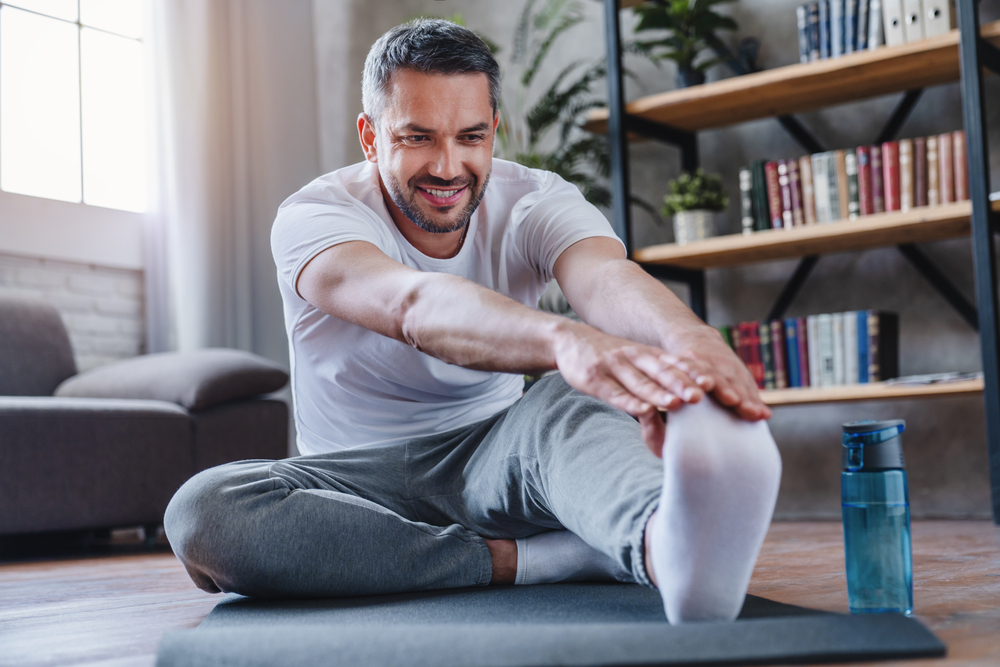
The first recommended strategy is physical activity.
 (Photo: shutterstock)
Physical Activity as Emotional Release
If you’ve had a difficult or frustrating day:
keep a pair of sneakers in your car or office
go for a brisk walk in a park, along a promenade, or near the sea
even a neighborhood walk can improve mood and release stress
Movement increases dopamine, supports the nervous system, and lifts emotional energy.
If you work from home or must return home right away, try scheduling evening exercise — alone or with a partner or friend, and combine movement with conversation and emotional processing.
If outdoor activity isn’t possible, you can find many online workouts, including:
aerobic routines
Pilates
yoga
Choose the format and length that suits your energy level.
 (Photo: shutterstock)
Two Recommended Exercise Types
Energizing exercise such as kickboxing, aerobics, or HIIT
These activities:
raise the heart rate
increase blood flow
release emotional tension
promote calm after exertion
Personal reflection from the writer: sometimes intense exercise can help release anger or stress before calmness becomes possible.
Calming & centering exercise include:
Pilates
Yoga
Tai-Chi
Feldenkrais
These practices emphasize:
proper breathing
gentle release of physical tension
body–mind awareness
For some people, calming exercise is most effective after emotional energy has already been released through movement. The key is to listen to your body and choose what suits your mood at that moment.
Additional Natural Support Methods
Bach Flower remedies may support stress and emotional balance.
Essential oils can also help ease negative emotions for some individuals.

