

Health and Nutrition
Rambam’s Guide to Healthy Eating: Foods to Avoid, Foods to Eat, and Timeless Nutrition Principles
From harmful foods and healing diets to Rambam’s golden rules for digestion, balance, and lifelong health
 (Photo: shutterstock)
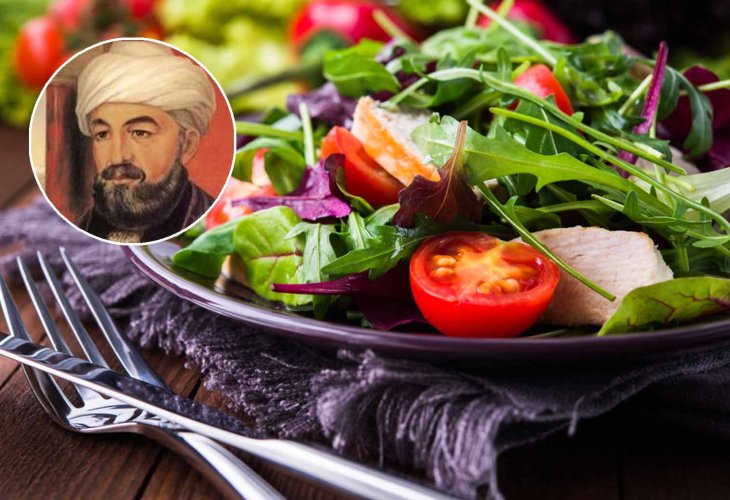
Rabbi Moshe ben Maimon (Maimonides) was born in 1135 and passed away in Egypt on the 20th of Tevet, 1204.
His well-known works include Guide for the Perplexed, Mishneh Torah, and his commentary on the Mishnah — and in addition, he authored 11 medical treatises, among them:
The Book of Asthma
Medical Aphorisms
Treatise on Hemorrhoids
Commentary on Remedies
On the Limits of Life, and more
According to Rambam, healthy nutrition must be personalized and depends on:
age
individual constitution
health status
geographic climate
profession / lifestyle
What benefits one person may not necessarily benefit another.
Rambam also emphasizes the importance of proper digestion, noting that even the elderly can maintain strong health if they eat correctly.
Foods That Are Harmful to Health
Rambam lists several foods that a person should avoid entirely, calling them “deadly poison”:
Old, heavily salted cheese
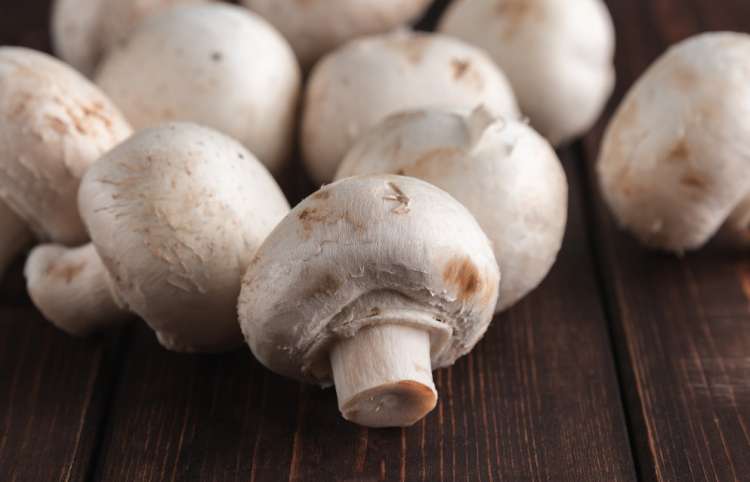
Mushrooms and truffles
Large fish (which tend to contain higher levels of toxins and mercury)
Old or heavily salted meat
Foods with a foul odor — a clear sign of spoilage and bacterial contamination
 (Photo: shutterstock)
Foods That Are Unhealthy — But Permitted in Small, Rare Amounts
Rambam explains: “There are foods that are harmful, though not as harmful as the former. Therefore one should eat them only in small amounts and at long intervals, and never make them a regular part of one’s diet.” (Mishneh Torah, Hilchot De’ot, Chapter 4)
These include:
Barley bread
Matzah bread
Milk or cheese more than 24 hours after milking
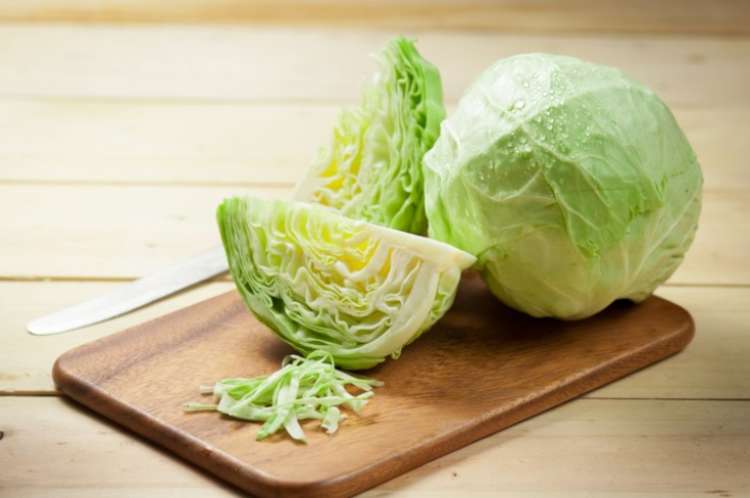
Cabbage
Garlic and onions
Mustard (not recommended in summer)
Radishes (not recommended in summer)
Strongly laxative vegetables
Bread fried or kneaded with oil
Unripe fruit
Carob (may cause constipation)
Fresh / moist dates (dried dates are fine, fresh dates are excellent)
 (Photo: shutterstock)
Foods That Promote Good Health
Olive oil (except on very hot days)
Eggs
Goat’s milk
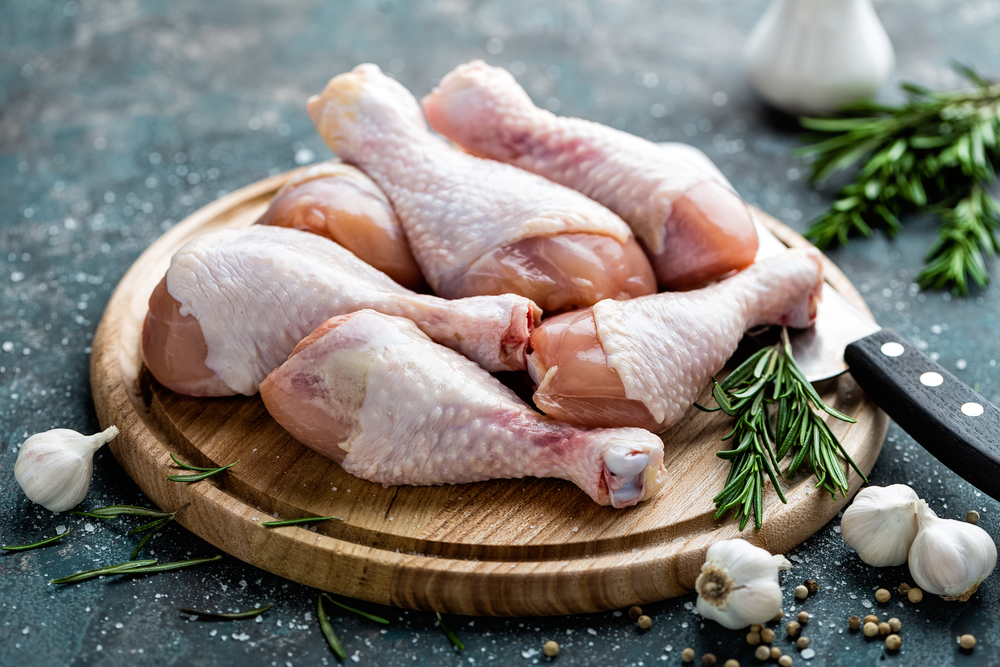
Chicken — especially chicken soup
Beef and lamb (only for thin or weak individuals)
Whole-wheat bread made from unrefined grain — which Rambam calls “kusmin bread”
A variety of fruits — especially nuts, almonds, and grapes (excluding citrus fruits, which increase phlegm)
“Honey and wine are harmful to children but beneficial for the elderly.”
Fish — especially mullet and small fish rich in omega-3
 (Photo: shutterstock)
Golden Guidelines for Healthy Eating
From Mishneh Torah, Hilchot De’ot, Chapter 4:
Eat while sitting — not standing or walking. Physical movement during or immediately after eating harms digestion.
Eat only when hungry, and drink only when thirsty.
Do not drink water during a meal.
Do not fill the stomach completely — leave some space.
Eat only after the bowels have been emptied.
In summer — eat lighter, cooler food with little seasoning. In winter — eat warm, seasoned foods.
In summer — reduce food intake to two-thirds of winter consumption.
At a meal — eat lighter foods before heavier ones (for example: eggs before meat).

