עברית
עברית

The Secret to Holding Back the Angel of Death: Insights from Rabbi Auerbach
Discover the hidden power of *gemilut chasadim* (acts of kindness), how to protect ourselves from the world's troubles, and the core of divine service through a collection of inspiring stories.
 (Inset: Rabbi Shlomo Zalman Auerbach)
A young man approached Rabbi Shlomo Zalman Auerbach and asked on what one should focus to improve oneself. Rabbi Auerbach replied, "We can hold back the Angel of Death only by strengthening our respect for others and our interpersonal relationships, so he will have no control over us."
Respecting others is part of the commandment to "love your neighbor as yourself." The Rambam writes, "It is a commandment for every person to love each member of Israel as he loves himself. Consequently, one must praise others and have mercy on their possessions as he shows concern for his own."
The *Sefer HaChinuch* teaches us to speak in praise of another and refrain from belittling others. This idea is echoed in *Pirkei Avot*: "Rabbi Eliezer says, let the honor of your friend be as dear to you as your own."
Our sages said (Yerushalmi Sanhedrin 50): "Rabbi Yuden bar Chanan in the name of Rabbi Berachia said: Hashem told Israel: My children, if you see that the merit of the patriarchs and matriarchs is waning, adhere to kindness. Why? Because our forefathers like Abraham, who exhibited only goodness, extended kindness to the world.”
As the Chofetz Chaim writes, "Now that the divine attribute of justice predominates in the world, and there seems to be no way to escape the afflictions that arise daily, we must strengthen our *midat chesed* (attribute of kindness) to arouse the higher attribute of kindness."
When Israel was in Egypt, they gathered together and pledged to perform *gemilut chasadim* and uphold the covenant of Abraham, Isaac, and Jacob. This act invoked divine kindness, ultimately leading to redemption.
Those who regularly engage in such mitzvot often merit children with wisdom and wealth, as our Sages said: "Rabbi Yehoshua says, anyone who is accustomed to performing tzedakah will merit children."
According to the *Tanah D’Vai Eliyahu*, all the blessings shall come upon you if you follow Hashem’s ways, which include kindness and providing for others, just as Hashem provides freely to all, righteous or not.
The Midrash in *Ruth* states: "See the power of those who bestow charity and kindness; they don’t rely on the shades of earthly entities, but on the shade of the One who spoke and the world came to be."
The Vilna Gaon: Perfecting Our Traits Is Key
The Vilna Gaon emphasizes in the introduction to his book *Even Shlema* that serving Hashem requires refining one's traits, which are the adornments of commandments and Torah teachings. All sins have their roots in negative character traits, and breaking these traits is the essence of life.
Rabbi Emmanuel Mizrachi explains the mystical advantage of *gemilut chasadim*:Rabbi Shalom Sharabi: Loving Fellow Jews Freely
Rabbi Shalom Sharabi stated that the Temple was destroyed because of baseless hatred and urged the promotion of *ahavat Yisrael* (love for fellow Jews) as a free and unconditional love, a principle he and his students based their community on. They signed a contract of solidarity, emphasizing unity and mutual responsibility.
The Sabba of Slabodka: Be Wise and Good
Rabbi Nathan Tzvi Finkel, the Sabba of Slabodka, summarized his life's work as teaching students to be "klug un gut"—wise and good. This philosophy encourages acquiring both wisdom and a good heart.
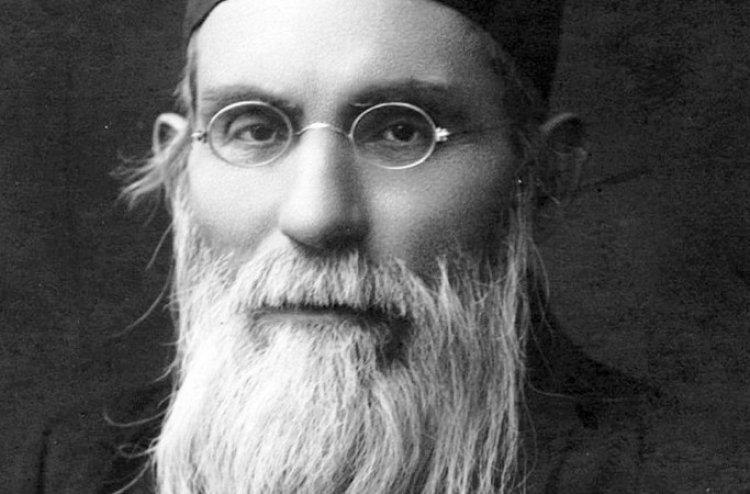 Rabbi Nathan Tzvi Finkel
Rabbi Shlomo Zalman Auerbach: Stopping the Angel of Death
Rabbi Auerbach was not only a great scholar but also renowned for his kindness and humility. He would warmly greet all Jews, listen to their woes with patience, and give advice and blessings without rushing—even letting his meals wait because "how can one eat after hearing so many Jewish troubles?"
When asked what action to take for spiritual improvement, Rabbi Auerbach responded that love and respect for others could even halt the Angel of Death.
Rabbi Aryeh Shechter similarly advised, "Be good people," at a community strengthening event.
Rabbi Abba Grossbard: Let a Fellow Jew Go First
Rabbi Yaakov Edelstein recounted how Rabbi Abba Grossbard stressed the importance of good deeds. In his lessons, he would hear ideas and offer guidance, encouraging students to secretly perform three good acts daily, like letting someone ahead in line or helping clear a table in the dining hall.
Rabbi Mordechai Eliyahu: Let Go of Revenge for a Blessing
When a man deeply shamed came to Rabbi Mordechai Eliyahu for advice, the rabbi advised him to stay silent and renounce revenge, promising that such restraint might lead to the birth of a son. "If you withstand humiliation, by the grace of God, you will be blessed with a son," he was told, which indeed came to pass.
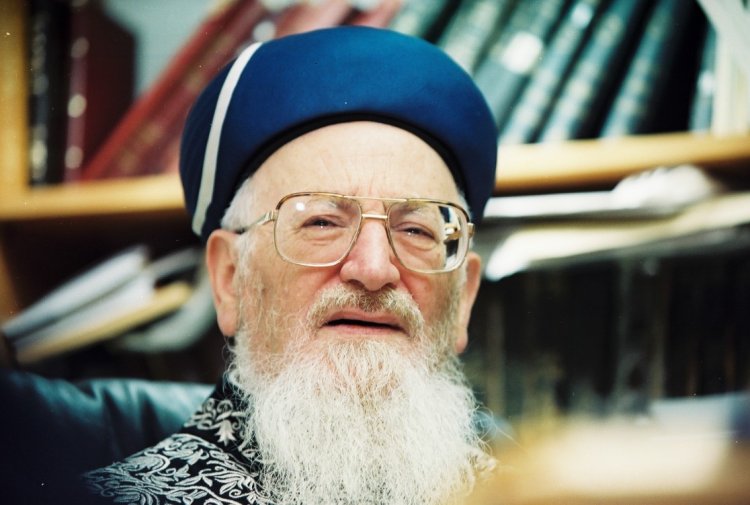 Rabbi Mordechai Eliyahu
Rabbi Yitzchak Yaakov Weiss: Thanks to My First Marriage
As a young man, Rabbi Yitzchak Yaakov Weiss was engaged without knowing his bride was disabled. Despite learning this prior to the wedding, he chose to proceed to spare her potential shame. Even though he would later face hardship, including the loss of his wife in the war, he credited his decision for blessing him with children against natural expectations.
Rabbi Isser Zalman Meltzer: Respecting People’s Joy
Rabbi Schach once observed Rabbi Isser Zalman Meltzer waiting in the staircase instead of entering his apartment to avoid interrupting a cleaning lady who was singing while she worked, as he didn't want to dampen her spirit.
 Rabbi Isser Zalman Meltzer
Rabbi Yechiel Abramovitz: Take a Break
Rabbi Michel Zilber described how Rabbi Yechezkel Abramsky treated his cleaning staff with unique regard, suggesting they take breaks and work slowly, choosing to pay more for the kindness of gentler labor.
Rabbi Michel Yehuda Lefkowitz: The Foundation of a Person
Rabbi Michel Yehuda Lefkowitz, teaching for many years, revealed his belief that refined character traits are the foundation of a successful and fulfilling life, emphasizing good character over talents or skills.
On a serene Shabbat in Bnei Brak, Rabbi Michel Yehuda noticed a weary passerby and greeted him warmly with "Shabbat Shalom," surprising the man who hadn't expected such acknowledgment, reigniting his sense of belonging.
Rabbi Reuven Elbaz: Spiritual Kindness
"Spiritual kindness is the greatest kindness," says Rabbi Elbaz, urging us to lift others spiritually, contributing to their growth and strengthening their commitment to Torah and mitzvot. Abraham learned from Shem that kindness even saved them in the ark from the flood.
A person with potential must take action to share Torah and faith, not waiting for perfect circumstances.
Rabbi Dov Yaffe: Living Heaven on Earth
Rabbi Dov Yaffe taught that living with good traits is akin to living in heaven. If one chooses to live amid poor character, it’s like choosing hell despite the potential for heavenly spiritual life through altruism and restraint.
Rabbi Moshe Feinstein: Seeing the Person Before You
During the first meeting of the Council of Torah Sages after Rabbi Moshe Feinstein became its president, he was delayed by a poor man asking for support. Despite the rush, Rabbi Feinstein took time to converse, emphasizing the importance of genuine interest as part of the mitzvah of charity.
Rabbi Zamir Cohen shares practical advice from *Pirkei Avot* showing everyday kindness:Rabbi Chaim Greinman: The Opportunity for Bodily Kindness
Every Friday, Rabbi Chaim Greinman engaged in an unseen act of mercy, assisting a lonely man with his household chores, fulfilling the mitzvah of *gemilut chasadim* with his own hands.
What are the dual aspects of great scholars, and which is preferable? Also, find out why Rabbi Cohen refused to take the head yeshiva role:
Rabbi Chaim Ozer Grodzinski: My Door is Always Open
Rabbi Yaakov Galinsky shared a poignant memory of meeting Rabbi Grodzinski, who focused on the well-being of his young visitor rather than asking Torah trivia questions, demonstrating the great rabbi's nurturing spirit.
Rabbi Grodzinski reassured the young boy’s material needs were met and provided money, emphasizing the open-door policy that exemplified personal care and charity.
Rabbi Gabriel Toledano: A Gift for the Holidays
Rabbi Gabriel Toledano was known for his thoughtful generosity, such as when he ensured students had resources to join yeshiva retreats or helped with significant personal expenses, reflecting deep care for each student’s needs.
Rabbi Aharon Levy explores whether kindness can reach its fullest without Torah and mitzvot:Rabbi Gershon Edelstein: Charity Begins at Home
Rabbi Gershon Edelstein frequently advised that acts of kindness should start within the family, emphasizing that taking care of one’s family is a primary mitzvah akin to charity and should be prioritized.
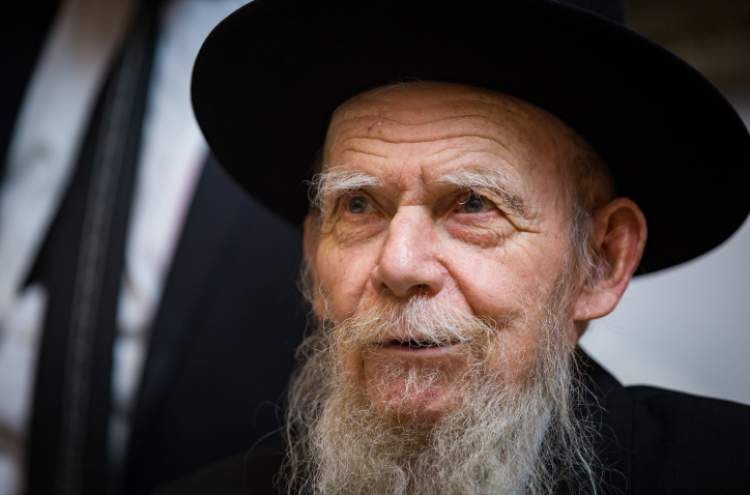 Rabbi Gershon Edelstein
Rabbi Aryeh Finkel: Shabbat in Ein Gedi
An inspiring account from a student reveals Rabbi Aryeh Finkel's dedication, who traveled to Ein Gedi to spend Shabbat accompanying a lost student, demonstrating genuine commitment to his students' well-being.
The Steipler to Rabbi Kreiswirth: The Power of Benevolence
Rabbi Chaim Kreiswirth extensively aided brides upon hearing the Steipler's guidance that the mitzvah of supporting a bride can even save one from the brink of death.
Rabbi David Lau discusses acts of kindness:Rav Pinchas: Charity to the Forgotten
When Rabbi Pincus realized a man's lack of self-esteem due to dental embarrassment, he funded the man's dental work, believing that solving this would enhance his overall well-being. Rabbi Pincus explained the man was not an ‘other’ but rather deserving of personal care.",
Rabbi Aryeh Levine: Rabbi of the Prisoners
Known for his compassion, Rabbi Aryeh Levine’s countless visits to prisoners and lepers highlighted his lifelong commitment to uplifting the downtrodden. Even in major holidays, he wouldn't hesitate to extend warmth to those who felt most isolated, continuously practicing love for others.
Rabbi Natan Bokobza: Living to Help
Mikhal Rosenbaum shares how Rabbi Bokobza arrived like an angel in times of need. The rabbi, embodying humility and kindness, prioritized the welfare of others, stating his life's purpose was to assist the Jewish people.
"Only those engaged in Torah and acts of kindness will be saved before the coming of the Messiah," says Rabbi Zamir Cohen: