עברית
עברית

Shabbat
The Laws of Borer on Shabbat: What You Can and Cannot Separate
From fish bones to laundry baskets, these ten common scenarios explain when selecting on Shabbat becomes a violation and when it is permitted according to Yalkut Yosef.
- Yonatan Halevi
- |Updated
 (Photos: shutterstock)
The act of borer, selecting or separating, is one of the thirty nine prohibited labors on Shabbat. The Torah forbids separating undesirable elements from desirable ones in the usual manner of sorting. Below are ten common examples of actions that are prohibited on Shabbat due to this melacha, as cited in Yalkut Yosef.
Actions That Are Not Allowed Due to Borer
Removing debris from food
It is forbidden to remove debris from food, such as taking bones out of fish. (Yalkut Yosef, Part 3, Section 320, Paragraph 5)Separating peels
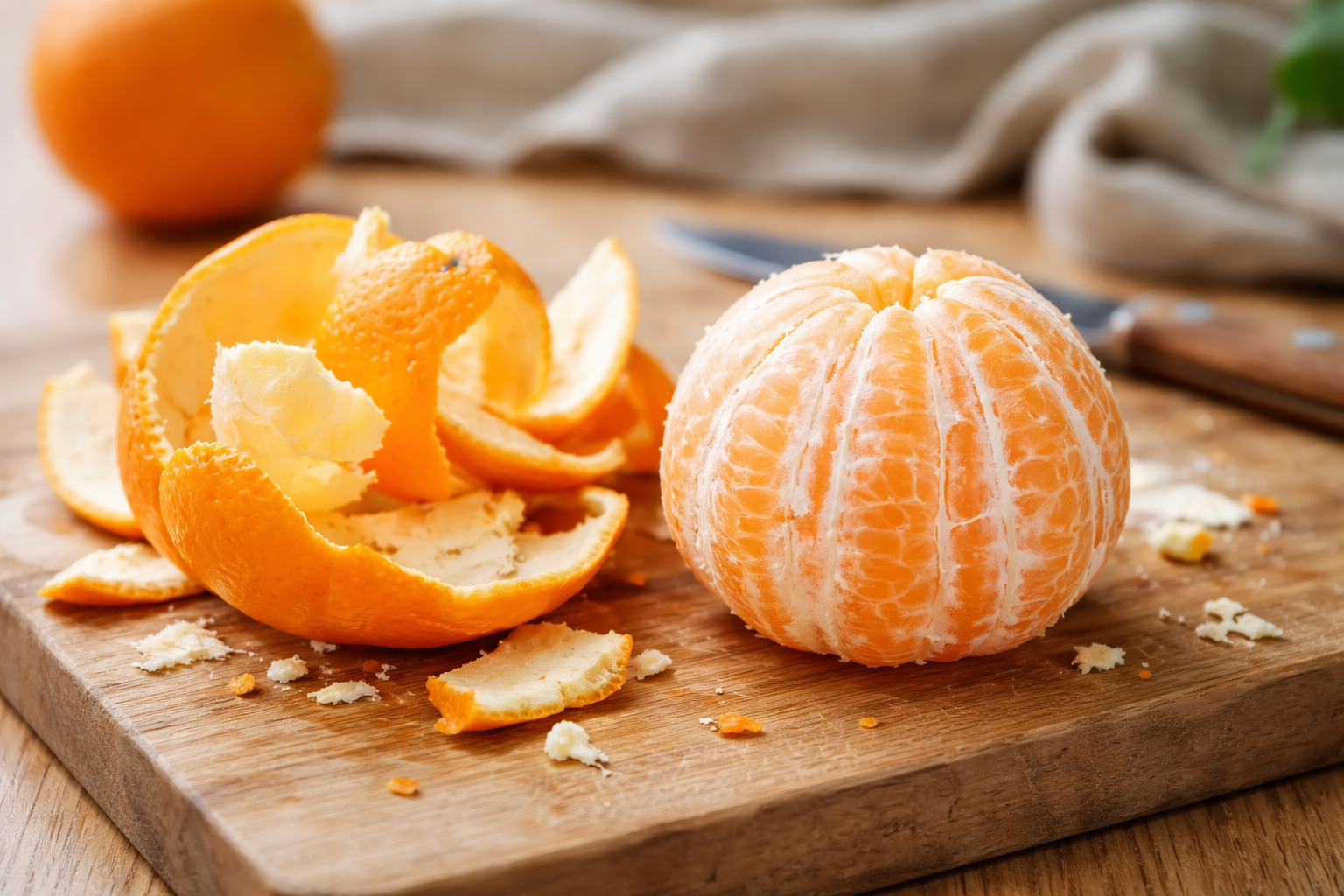
You may not separate fruit or vegetable peels by hand unless it is done immediately for the purpose of eating. (Ibid, Paragraph 7)Removing pits
It is forbidden to remove pits from olives or dates if this is done for later use rather than immediate consumption. (Ibid, Paragraph 8)Removing bugs from vegetables
It is forbidden to remove bugs from vegetables on Shabbat. (Yalkut Yosef, Shabbat Vol. 3, p. 610)Separating mixed nuts and almonds
You may not separate nuts from almonds if the intention is to prepare them for later use. (Ibid, Paragraph 10)Separating mixed laundry
You may not sort mixed clothes in a laundry basket if the intention is to use them later. (Ibid, Paragraph 11)Separating cake pieces with decorations
You may not remove decorations from cake if the intention is to eat the decorations later. (Ibid, Paragraph 12)Removing items from a mixed bag
You may not take items out of a mixed bag if the intention is for later use and not immediate. (Ibid, Paragraph 13)Separating mixed books
You may not sort mixed books if the intention is not to use them immediately. (Ibid, Paragraph 14)Separating mixed dishes
You may not separate mixed dishes if the intention is to eat them later rather than immediately. (Ibid, Paragraph 15)
When Is Borer Permitted?
In order to perform an act of selecting on Shabbat in accordance with halacha, three conditions must be met:
The selection must be done by hand and not with a utensil designed for sorting.
You must take the desired item from the undesired, meaning food from debris.
The selection must be for immediate use.
When these three conditions are fulfilled, the action is permitted.
Practical Applications
Removing debris from food
You may take the edible portion from the inedible, such as lifting pieces of fish away from the bones, provided that you are eating them right away. (Yalkut Yosef, Part 3, Section 320, Paragraph 5)
Separating peels
You may peel a fruit or vegetable by hand if you intend to eat it immediately, such as peeling an orange and eating it on the spot. (Ibid, Paragraph 7)
Removing pits
You may remove a pit from a date or olive by hand if you plan to eat it right away. (Ibid, Paragraph 8)
Removing bugs from vegetables
You may shake vegetables or use produce that was thoroughly washed before Shabbat. (Yalkut Yosef, Shabbat Vol. 3, p. 610)
Separating mixed nuts
You may take the nuts or almonds you wish to eat immediately from a mixture and consume them at once. (Ibid, Paragraph 10)

Separating mixed clothes
You may remove the garment you intend to wear immediately without sorting the entire basket. (Ibid, Paragraph 11)
Separating cake pieces
You may take the piece of cake you want to eat immediately, rather than separating the decorations alone. (Ibid, Paragraph 12)
Removing items from a mixed bag
You may take the item you need for immediate use without emptying and sorting the entire bag. (Ibid, Paragraph 13)
Separating mixed books
You may take the book you wish to read immediately without arranging or sorting all the books. (Ibid, Paragraph 14)

Separating mixed dishes
You may take the dish you intend to eat immediately rather than separating and organizing all the dishes. (Ibid, Paragraph 15)
A Short Conclusion
The laws of borer remind us that Shabbat is not only about what we refrain from doing, but how we approach even simple daily actions. By being mindful of how and when we separate, we transform ordinary movements into conscious acts of Shabbat observance. Awareness brings care, and care brings honor to the holy day.