

Health and Nutrition
Smart Food Storage Tips to Make Your Groceries Last Longer
From freezing leftovers to organizing your pantry, these simple food storage habits can help reduce waste, save money, and keep your kitchen efficient.
Food waste often starts at home, not in the store. Improper storage can cause fruits and vegetables to spoil too quickly, oils to lose their freshness, and pantry staples to go unused until they expire. With a few smart storage habits, you can extend the life of your groceries, save money, and keep your kitchen more organized and efficient. Here are simple, practical food storage tips that make a real difference.
Store Potatoes with Apples
Apples release a natural compound that slows sprouting in potatoes. Storing them together can help keep potatoes fresh for longer and prevent premature spoilage.
Keep Oil in Small Bottles
Buying oil in bulk is economical, but constant exposure to light and heat can cause it to go rancid. Keep a small bottle for daily use and store the main container in a cool, dark place away from the stove to preserve its quality.
Reuse Old Jars
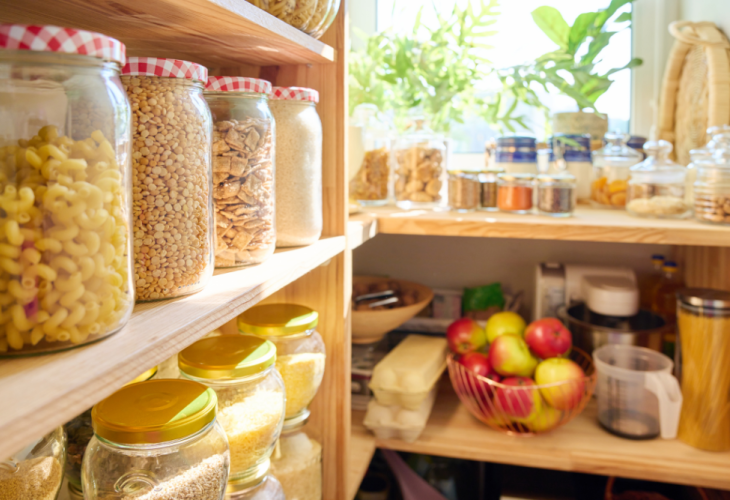
Glass jars from jam, sauces, or applesauce are perfect for storing dry foods such as rice, lentils, spices, and grains. They’re airtight, reusable, and transparent, making it easy to see what you have at a glance.
Avoid Overloading the Fridge
An overpacked refrigerator restricts airflow, making it less efficient and increasing the risk of food spoilage. A well-organized fridge uses less energy and keeps food fresher for longer.
Freeze Leftovers
Leftover meals don’t have to go to waste. Most cooked dishes freeze well and can be enjoyed later. Label containers with dates so nothing gets forgotten at the back of the freezer.
Use Reusable Containers
Many foods stay fresh longer in airtight reusable containers than in their original packaging. Having containers in various sizes helps store grains, legumes, dried fruits, flours, and spices efficiently.
Store Nuts and Almonds in the Freezer
Because of their high fat content, nuts can spoil quickly when exposed to heat and light. Freezing them preserves their freshness and flavor for months, making bulk buying a smart option.
Freeze Meat in Smart Portions
Instead of freezing large quantities of meat together, divide them into smaller, usable portions first. This makes thawing easier and helps prevent waste if you don’t use everything at once.
Store Hard Cheeses Properly
Hard cheeses like cheddar, parmesan, or kashkaval can dry out if stored incorrectly. Wrap them in parchment paper rather than plastic so they can breathe and retain their flavor and texture.
Not Everything Needs Refrigeration
Some fruits and vegetables last longer outside the fridge. Tomatoes, avocados, and citrus fruits prefer room temperature, while cucumbers, carrots, and peppers do better in the fridge. Apples and pears can be stored either way.
Freeze Seasonal Fruits
When fruits like strawberries, cherries, or berries are in season, freeze them for later use. This allows you to enjoy them year-round without paying higher off-season prices.
Keep Spices Away from the Stove
Heat and sunlight reduce the potency and flavor of spices. Store them away from the stove and direct light. Some spices even keep better in the refrigerator.
Organize Groceries by Category
We often buy duplicates simply because we forget what we already have. Group groceries by category, such as baking supplies, canned goods, pasta, or legumes. Store items like coffee, tea, sugar, and honey together since they serve similar purposes.
With a bit of planning and mindful storage, your groceries can last longer, your kitchen can stay more organized, and food waste can be significantly reduced. Small changes in how you store food can lead to big savings, better meals, and a more efficient household.

