

Expert Forum
Is Your Toothbrush Putting Your Health at Risk?
Many people misuse electric toothbrushes without realizing it. Discover simple techniques and habits that prevent plaque, gum disease, and even potential long-term health risks.
 Illustration
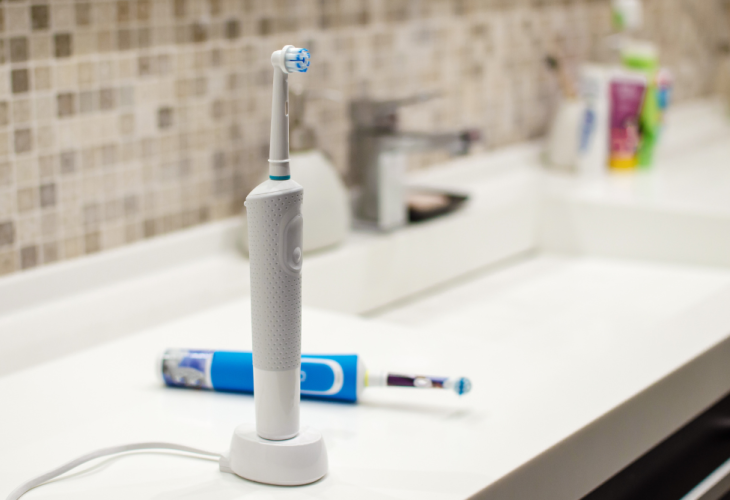
Electric toothbrushes have become increasingly popular in recent years, offering a convenient way to maintain oral hygiene. However, a top dentist has warned that improper use of these devices could actually put your health at risk. The caution comes in the wake of several studies exploring the link between poor oral hygiene and Alzheimer’s disease.
According to an article published today on the Walla website, incorrect brushing techniques can lead to plaque buildup on the teeth, which may result in gingivitis. Previous research has suggested that the bacteria responsible for gingivitis could play a role in triggering Alzheimer’s, highlighting the importance of proper oral care.
A new study also revealed that 41 percent of electric toothbrush users do not replace their brush heads regularly. Dr. Davinder Raju, a dentist and founder of "Green Dentistry," explained: “Worn-out toothbrushes become less effective in removing plaque and bacteria from teeth and gums. It is recommended to replace toothbrush heads every three months or sooner to ensure overall oral and systemic health.”
Expert Tips for Maintaining Oral Health
Dr. Raju advises brushing at least twice a day with fluoride toothpaste, but with a few key practices in mind:
Do not rinse with water after brushing: Spitting out the toothpaste instead of rinsing helps the fluoride remain on your teeth longer, strengthening enamel.
Daily flossing is essential: Flossing removes plaque and food particles that brushing alone cannot reach.
Regular dental check-ups: Visit your dentist and hygienist consistently to catch any early signs of dental or gum problems.
The Correct Way to Use an Electric Toothbrush
Using an electric toothbrush is more than just turning it on. Here’s how to ensure you get the most out of your brush:
Brush for two full minutes: Make sure to reach all areas of your mouth, covering every tooth.
Use a fully charged toothbrush: Pair brushing with daily flossing to remove trapped food particles.
Hold at a 45-degree angle: Just like with a manual toothbrush, start with the outer surfaces, then move to inner surfaces and the back teeth.
Gently clean along the gum line: Avoid pressing too hard, as gums are sensitive and can be damaged by excessive force.
Don’t forget your tongue and the roof of your mouth: This helps remove food particles and freshens your breath.
Proper technique, combined with regular replacement of brush heads, is crucial to preventing plaque buildup, gum disease, and potential long-term health risks. While electric toothbrushes can make oral care easier, they are only effective when used correctly and consistently.
Taking care of your teeth goes beyond aesthetics, it plays a vital role in overall health. By following these tips, you can ensure your electric toothbrush works for you, not against you.

