

Home Styling
Beat the Heat: 6 Indoor Plants That Naturally Cool Your Home
Transform your home into a natural oasis. These six indoor plants not only lower indoor temperatures but also improve air quality and humidity during scorching summer months.
 Illustration
Heatwaves can make life uncomfortable, and while air conditioners and fans are effective, there’s a greener, cost-effective solution: indoor plants. According to a recent article in Maariv, certain plants can help lower the temperature inside your home, improve air quality, and increase humidity, making your living spaces more comfortable during scorching summer months.
NASA studies also highlight the role of plants in regulating atmospheric temperature through photosynthesis. Forests, for example, amplify water vapor in the air, increase rainfall, and block sunlight, all of which contribute to natural cooling. While we may not all have a forest in our living room, the right indoor plants can still make a noticeable difference.
Ficus Benjamina
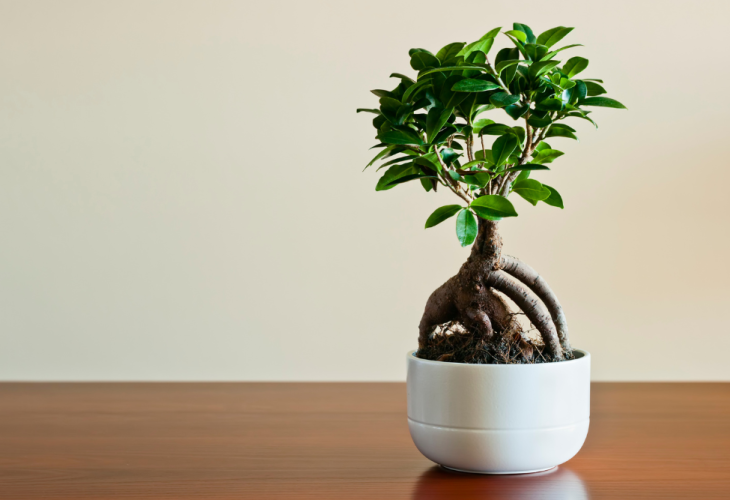
Ficus Benjamina, often called the Weeping Fig, is a small-leaved, dense tree that thrives both indoors and outdoors. It helps maintain a humid, cool environment, offering natural relief from the heat.
For optimal cooling effects, choose a tree with a long trunk and dense foliage to provide shade for nearby plants. Water it regularly during summer months and place it in medium to bright indirect light, as it absorbs more sunlight in illuminated areas, helping it release cooling moisture.
Rubber Plant
The Rubber Plant is excellent for increasing air humidity and creating a cooler indoor environment. Its large, waxy leaves release moisture into the air, enhancing natural cooling.
Keep the soil evenly moist by watering small amounts frequently and place the plant in a bright area with indirect sunlight to prevent leaf damage while maximizing its cooling potential.
Aglaonema (Chinese Evergreen)
Aglaonema, or Chinese Evergreen, is a hardy, grass-like plant known for purifying the air and removing toxins. Some varieties feature striking, colorful leaves, adding a decorative touch.
It requires minimal water and light, making it perfect for apartments or tight spaces. Its ability to improve air quality contributes to a fresher, cooler-feeling room.
Palm
Indoor palms are a natural way to recreate a small “rainforest” indoors. The large leaves absorb carbon dioxide and release oxygen, while also increasing humidity, which can make the air feel cooler.
Spray the leaves weekly to maintain moisture and health. The larger the palm and the leaf surface area, the greater its cooling effect.
Camellia
Camellia plants contain high water content, which allows them to release evaporated moisture into the air, naturally cooling their surroundings. They also help purify indoor air by removing toxins such as benzene and formaldehyde.
Position them near a window to block excess sunlight while benefiting from indirect light. Use on hot nights to improve oxygen levels and create a more comfortable sleeping environment.
Final Thoughts
Adding the right plants to your home is a simple, natural, and eco-friendly way to beat the heat. In addition to cooling the air, many indoor plants improve humidity, air quality, and overall comfort during the hottest months. Whether it’s a dense Ficus Benjamina, a hardy Aglaonema, or a leafy palm, incorporating plants into your living space can make your home feel fresher, cooler, and more inviting, without relying solely on electricity.

