

Health and Nutrition
Forget Cornflakes: What Kids Should Eat for Breakfast
As kids return to routine, so do breakfast patterns. Clinical nutritionist Batya Sharabani shares tips to ensure your children start their day with a complete and healthy meal.
The children have begun their school year, and parents, too, are settling back into a routine. A crucial part of this routine is the food we eat, especially in the morning.
Breakfast is considered the most important meal of the day, yet ironically, mornings are often the busiest and most challenging time. Children need to get ready for school, while parents rush off to work.
According to Batya Sharabani, a clinical nutritionist with Maccabi Healthcare Services, waking up just five minutes earlier can allow families to enjoy a light meal and start the day more calmly.
Batya recommends the following options for a healthier, happier start to the day:
Half a piece of fruit with half a cup of natural yogurt (adjusted to personal preference and needs)
A whole-grain cracker with cheese or avocado
Half a sandwich with cheese or an egg
Oatmeal with optional honey or date syrup and fruit
A homemade muffin (preferably whole-grain) with fruit, or a savory muffin with cheese and vegetables
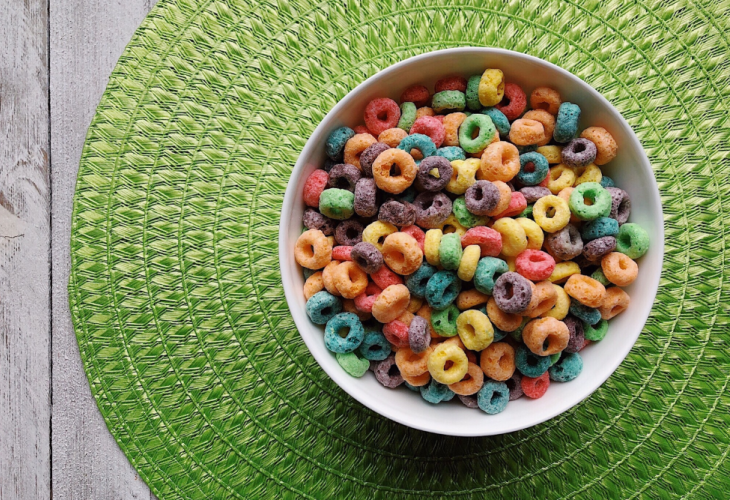
Batya cautions against overly processed, industrialized foods that contain high levels of sugar and additives, such as cookies, breakfast cereals, and energy bars.
The Mid-Morning Snack
Batya emphasizes the importance of a balanced mid-morning snack that includes carbohydrates, protein, and vegetables:
Carbohydrates
Bread, a roll, or pita—preferably whole grain.
Protein
Spreads such as cheese, labneh, hummus, tuna, or egg. Sandwiches can be enhanced with olives, sun-dried tomato spread or pesto, avocado, or tahini.
For those sensitive to dairy or following a vegan diet, legume-based spreads such as lentil or tofu spreads are excellent alternatives.
Vegetables
Cherry tomatoes, cucumbers, lettuce, or colorful peppers. Packing them in a small, designated container increases the likelihood that children will eat them.
In addition, remember to include a water bottle and a piece of fruit for the next break.
Batya explains that the mid-morning snack is essential for maintaining concentration in class and is a key component of daily nutrition. The protein in this meal is particularly important. She advises against stopping to buy pastries or pita with za’atar on the way to school, as these options contain carbohydrates and fat but lack sufficient protein and vegetables.
To maintain a balanced and varied routine, Batya recommends creating a weekly meal chart and planning meals according to the children’s preferences. When children are involved in choosing their food and can see all the options, they are more motivated to stick to a healthy and consistent diet.
Finally, Batya advises against sending children to school with foods they are unfamiliar with. New flavors are best introduced during shared meals at home, where children feel comfortable and open to trying something new.

