

Health and Nutrition
Discover the Fruit with Remarkable Healing Powers, Especially for Diabetes
Living with diabetes? Meet the Noni fruit, celebrated for its effectiveness in diabetes management, and more.
- Shira Dabush (Cohen)
- | Updated
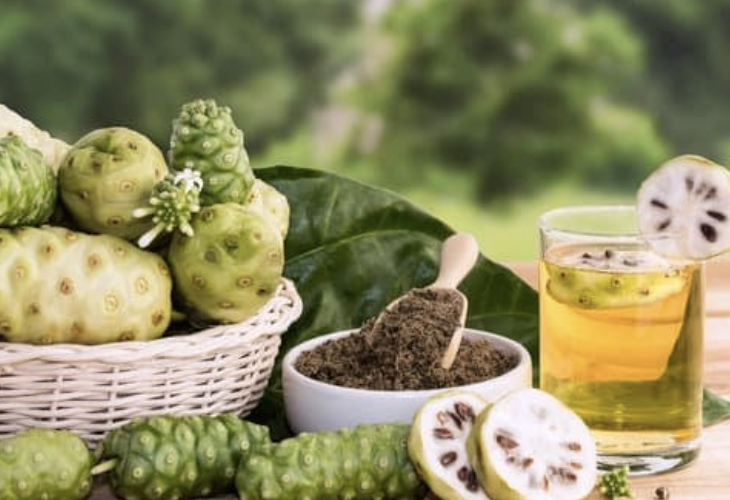
Who hasn’t heard of the Noni fruit, also known as Morinda? It’s one of the most talked-about fruits worldwide, and for good reason. Not only is it difficult to cultivate—thriving only in tropical climates—but it also offers remarkable healing properties, including helping to prevent the development of cancerous cells, among other benefits.
Most Noni fruit trees are currently grown in Costa Rica and the Caribbean Islands.
One of the most researched compounds in Noni is xeronine, which the body needs to function optimally. Although the body naturally produces xeronine, its production decreases with age as our cells grow older. Lower levels of xeronine cause changes in the molecular structure of cells, making it harder for the body to repair damaged cells. Noni fruit helps stimulate xeronine production, supporting cell repair even as the body’s natural production declines.
In addition, Noni is rich in enzymes that help slow the aging process, balance blood sugar levels, combat diabetes, lower high blood pressure, prevent depression, boost the production of “happy hormones,” strengthen the immune system, relieve muscle pain and arthritis, improve digestion, detoxify the body, and prevent the development of cancer cells. The fruit is usually consumed in its natural form, but in some countries, it is available only as juice or as a powder sold in capsules.

