

Health and Nutrition
Debunking Diet Myths: What You Really Need to Know
Healthy eating is a hot topic, but the vast information online can lead to common misconceptions. Let's set the record straight on some popular diet myths.
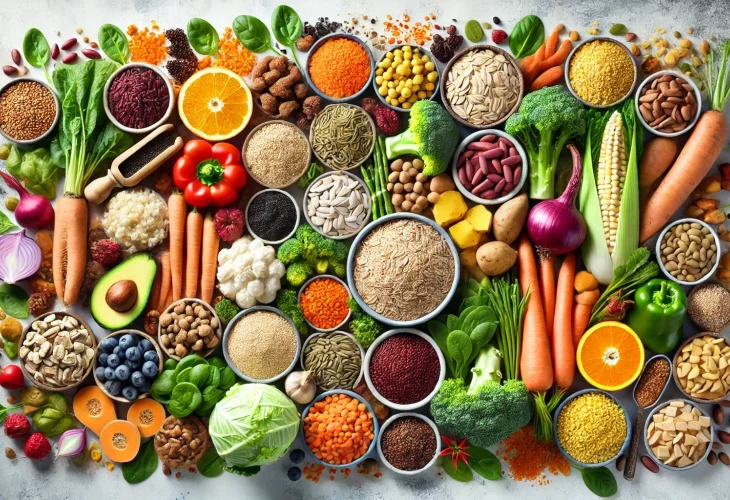
In today’s world, where information is just a click away, healthy eating is full of myths and misconceptions. Conflicting advice can leave us unsure about what is truly beneficial. Here are seven common myths about healthy eating, explained.
1. All Fats Are Bad for You
Myth: Fat is the enemy when it comes to a healthy diet or weight loss.
Truth: Fats are an essential part of a balanced diet. It is important to distinguish between types of fat. Saturated and trans fats can be harmful to heart health, while unsaturated fats found in olive oil, nuts, and fish support heart health and help the body absorb essential vitamins.
2. All Calories Are Created Equal
Myth: All calories have the same effect on the body, regardless of their source.
Truth: The quality of calories matters as much as the quantity. Calories from fiber rich foods, proteins, and healthy fats affect the body differently than calories from processed foods high in sugar and saturated fat. Whole foods provide lasting fullness and support metabolism.
3. Low Carb Diets Are the Best Way to Lose Weight
Myth: Avoiding carbohydrates is the only way to lose weight.
Truth: Low carb diets like ketogenic plans may work for some people but are not suitable for everyone. They can be difficult to sustain long term and may cause nutritional deficiencies. Complex carbohydrates from whole grains, legumes, and vegetables provide essential energy and can be part of a healthy, balanced diet. Focus on the quality of carbs, not just the amount.
4. Organic Food Is Always Healthier
Myth: Organic products are automatically more nutritious.
Truth: Organic foods may contain fewer pesticides, but they are not necessarily more nutritious. Comparing nutritional values of organic and non organic foods is important. Additionally, not all products labeled organic are whole or particularly healthy.
5. Artificial Sweeteners Are a Healthy Sugar Substitute
Myth: Using artificial sweeteners is a simple, healthy way to reduce sugar.
Truth: Some studies suggest artificial sweeteners can affect hunger and metabolism, and certain sweeteners may increase the risk of metabolic diseases. They are not a magic solution, so use them with caution.
6. You Must Completely Avoid Gluten to Be Healthy
Myth: Gluten is harmful to everyone.
Truth: Gluten is safe for most people. Only individuals with celiac disease or gluten sensitivity need to avoid it. Whole wheat and other gluten containing foods can be part of a healthy diet.
7. Brown Sugar Is Healthier Than White Sugar
Myth: Brown sugar contains more vitamins and minerals, so it is healthier.
Truth: While brown sugar has slightly more minerals than white sugar, the difference is minimal. Both are sources of simple sugar, and consumption should be limited for a healthy diet.
Conclusion
Eating healthy can be confusing with so many myths and conflicting advice circulating online. By separating fact from fiction and focusing on balanced, nutrient rich foods, you can make informed choices that support long term health. Remember, no single food or nutrient determines your wellbeing. Consistency, variety, and moderation are key. Stay curious, question popular claims, and build a diet that works for your body and lifestyle.

