

Health and Nutrition
Potatoes: When Your Favorite Side Dish Turns Dangerous
Potatoes are a kitchen staple, but they can become risky if not stored and handled properly. Learn when they start producing toxins and simple ways to keep them safe to eat.
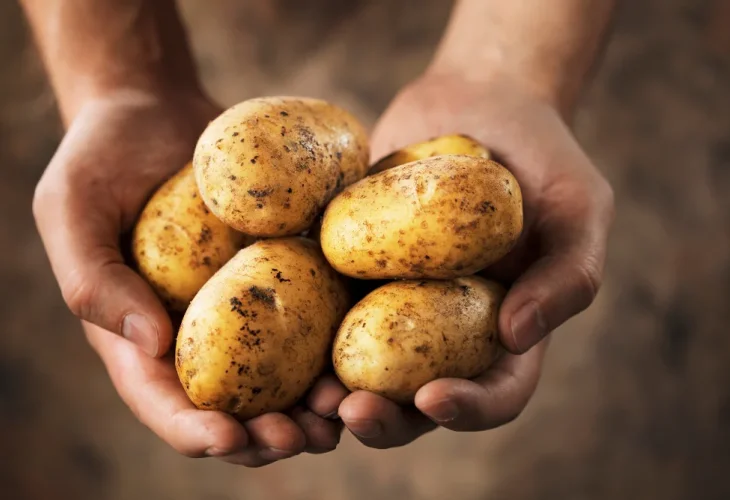
Potatoes are one of the most beloved and versatile foods, but there are important precautions to keep in mind to avoid potential health risks. A green color or sprouts on a potato can be a warning sign. So, what’s the risk, and do you need to throw them out immediately?
What Makes Potatoes Turn Green?
Potatoes don’t turn green because they are spoiled; this happens due to exposure to light. When a potato is exposed to light, it begins producing chlorophyll, the green pigment found in many plants, which is harmless on its own. However, the production of chlorophyll is often accompanied by an increase in solanine, a toxic substance found in potatoes.
Why Do Potatoes Sprout?
Sprouts appear when potatoes are stored too long or in unfavorable conditions, such as warm temperatures or exposure to light. Sprouts are essentially the beginning of a new growth cycle, as the potato attempts to produce another plant. The sprouts themselves may contain higher levels of solanine, which can be harmful if consumed in large amounts.
What is Solanine and Why Is It a Problem?
Solanine is a naturally occurring toxin found in potatoes and other members of the nightshade family. When potatoes are exposed to light for extended periods or begin to rot, solanine levels rise.
Consuming high amounts of solanine can cause unpleasant symptoms such as stomach aches, nausea, vomiting, and headaches. In severe cases, it may also affect the nervous system.
How Do You Know a Potato Is Unsafe to Eat?
Green Color: Green areas indicate possible high levels of solanine. Avoid eating these parts or cut them out carefully.
Sprouts: Large or thick sprouts are a warning sign. Small sprouts can be removed, but heavily sprouted potatoes should be discarded.
Bitter Taste: A bitter flavor signals increased solanine. If a potato tastes bitter, stop eating it immediately.
How to Store and Handle Potatoes Safely
Proper Storage: Keep potatoes in a dark, cool place, such as a cupboard or pantry.
Avoid High Humidity: Do not store potatoes in the fridge, as humidity can accelerate spoilage.
Use Quickly: Eat potatoes soon after purchase to minimize sprouting and solanine buildup.
Remove Green Parts: Peel off small green areas, but avoid eating potatoes that are entirely green.
Avoid Bitter Potatoes: Stop eating immediately if a potato tastes bitter.
Potatoes turning green isn’t just about taste, it’s a health concern. By following these tips, you can safely enjoy potatoes without risking your health.

