

Health and Nutrition
Is Olive Oil the Secret Ingredient Your Kitchen Needs?
Explore the versatility of olive oil: when it shines in cooking and baking and when you might want to opt for something else.
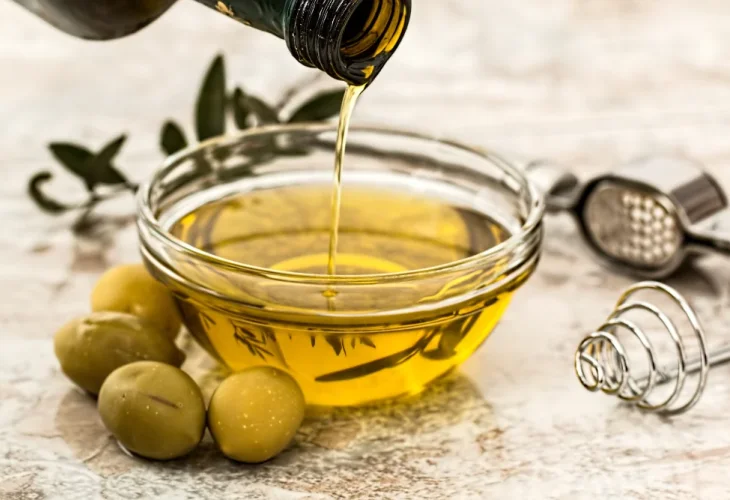
Olive oil is much more than just another kitchen ingredient. It is a symbol of health, tradition, and unique flavor that has been with us for centuries. However, many people use it only for seasoning and shy away from frying, baking, or cooking with it. In this article, we’ll explore when to use olive oil for frying, its smoke point, and its pros and cons compared to other oils.
Olive Oil and Smoke Point
The smoke point of olive oil—the temperature at which the oil begins to burn and emit smoke—is considered relatively high:
Extra virgin olive oil: around 190–210°C → 374–410°F
Refined olive oil: up to 230°C → 446°F
At these temperatures, you can safely fry, bake, and even roast, as long as you do not exceed particularly high temperatures over 200°C → 392°F
High Oxidative Stability
Olive oil contains antioxidants (polyphenols) and monounsaturated fats, which give it high stability during cooking. This is in contrast to many other vegetable oils, which tend to break down faster under heat and produce free radicals that may be harmful to health.
Great for Light and Medium Frying
Olive oil is ideal for light and medium frying, such as sautéing, searing meat, or frying vegetables. For deep frying at very high temperatures, other oils like canola may be preferable due to their higher smoke point.
Preserving Nutritional Values
Some polyphenols and vitamins in olive oil are retained even after light cooking, so it continues to provide health benefits even after heating.
Tips for Cooking and Frying with Olive Oil
Prefer extra virgin olive oil for short frying and light cooking because of its high nutritional value.
Don’t be afraid of moderate heating; olive oil remains safe for most cooking methods.
Avoid burning the oil. If it begins to smoke, lower the temperature to prevent breakdown and the formation of unhealthy by-products.
Is Olive Oil Suitable for Baking?
Olive oil can indeed be used in baking, especially in savory recipes such as bread, focaccias, and even pound cakes.
Advantages in Baking:
Soft texture and rich flavor: Olive oil adds a pleasant texture and mild taste to pastries.
Health benefits: Provides healthier fats compared to butter or processed oils.
Disadvantages:
Strong flavor: Can be too dominant in some sweet pastries.
Not suitable for every recipe: For delicate pastries, a more neutral oil may be preferable.
Olive Oil Compared to Other Oils
Olive Oil
Smoke point: 190–210°C → 374–410°F
Advantages: Rich in antioxidants and monounsaturated fats, supports heart health and reduces inflammation. Suitable for light frying, cooking, and baking.
Disadvantages: Strong flavor, less suitable for deep frying at very high temperatures.
Canola Oil
Smoke point: about 220°C → 428°F
Advantages: Neutral taste, suitable for deep frying and cooking. Contains a relatively high amount of monounsaturated fat.
Disadvantages: Highly processed, low in antioxidants.
Coconut Oil
Smoke point: about 175°C → 347°F
Advantages: Stable in light frying, provides a unique flavor. Contains stable saturated fat for heat.
Disadvantages: High in saturated fat, strong coconut flavor may not suit all dishes.
Sunflower Oil
Smoke point: about 230°C → 446°F
Advantages: Neutral taste, suitable for deep frying.
Disadvantages: Low in antioxidants, breaks down quickly and produces free radicals at high temperatures.
Avocado Oil
Smoke point: about 270°C → 518°F
Advantages: Very high smoke point, excellent for deep frying, rich in monounsaturated fats and antioxidants.
Disadvantages: Relatively expensive, strong flavor that may be too dominant for some dishes.
Bottom Line
Olive oil is an excellent choice for light frying, cooking, and baking, as long as suitable temperatures are maintained. It adds unique flavor while providing significant health benefits. Compared to other oils, it is more stable and considered one of the healthiest options. When used correctly, olive oil can become a central ingredient in your kitchen.

