

Rose Water Wonders: A Natural Solution to Everyday Woes
Discover the ancient secret of rose water, a sweet-scented remedy for beauty and health that nourishes skin, refreshes hair, and even adds flavor to your cooking. Explore 10 versatile uses plus a simple recipe.
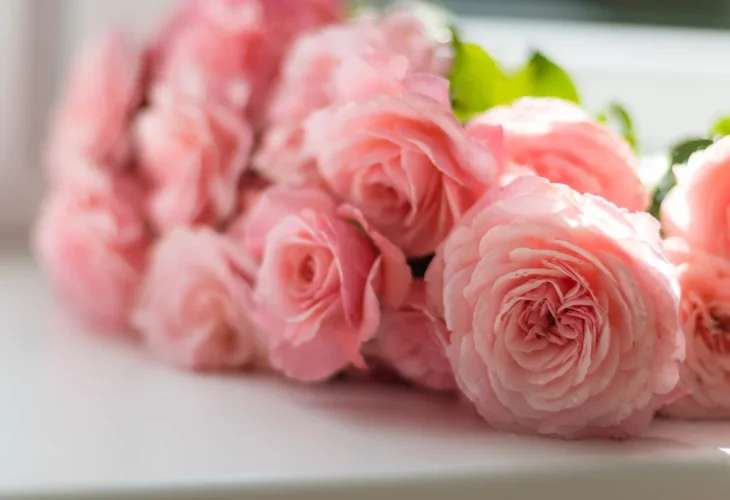
Rose water has been a cherished product in beauty, cooking, and natural medicine for centuries. Its sweet aroma and diverse effects have made it a sought-after ingredient in many cultures. Beyond its refreshing scent, rose water holds many secrets that are not widely known. Here are 10 things you can do with rose water:
1. Natural Facial Toner
Rose water is an excellent solution for cleansing and nourishing the skin. Its antibacterial and anti-inflammatory properties help soothe irritated skin, minimize pores, and balance the skin's pH level. Use rose water as a daily facial toner after washing your face to refresh and add natural glow.
2. Moisture Retention for Skin
Rose water helps lock in moisture for the skin. Spraying it on your face throughout the day maintains a feeling of freshness and continuous hydration, especially in hot or dry weather.
3. Soothes Tired Eyes
Rose water has a calming effect on the eye area. Placing cotton pads soaked in rose water on your eyes for a few minutes can reduce puffiness and dark circles, leaving your eyes feeling refreshed.
4. Assists in Acne Treatment
Thanks to its anti-inflammatory and antibacterial properties, rose water can aid in acne treatment. Use it as a facial toner to cleanse the skin and calm inflammation caused by bacteria, helping to prevent new breakouts.
5. Refreshes Hair
Rose water is beneficial for your hair as well. It helps hydrate dry hair and refresh the scalp. You can spray rose water onto your hair between washes or massage it into your scalp to improve blood circulation and promote healthy hair growth.
6. Natural Perfume
Rose water serves as a fantastic natural substitute for commercial perfumes. Spray it on your body after a shower or use it to refresh clothing throughout the day. The delicate floral scent of roses leaves a pleasant and fresh feeling.
7. Soothes Sore Throat
Rose water can also help ease a sore throat. Gargling a diluted solution of rose water in warm water has a soothing effect on throat inflammations and can help reduce pain and swelling in that area.
8. Culinary Use
In many kitchens worldwide, rose water is used to enhance the flavors of desserts, drinks, and even savory dishes. A few drops of rose water in tea, desserts like cakes or pudding, or rice dishes will impart a special aroma and refreshing taste to your recipes.
9. Relaxing Bath Addition
Adding a few drops of rose water to your bath is a wonderful way to upgrade your bathing experience. Rose water will soothe your skin, leaving it soft and hydrated, enveloping you in a pleasant scent.
10. Treats Sun Damage
Rose water is renowned for its ability to soothe sunburns and ease irritation caused by sun exposure. Spraying cold rose water on the affected skin area can relieve pain, reduce redness, and speed up the healing process.
Important Note
Important clarification: When we refer to rose water in this article, we're talking about natural and organic rose water made through manual processes, not the commercial products sold in supermarkets, which often contain artificial additives, preservatives, and chemical perfumes. Natural rose water, like that which you can make yourself or buy from reliable organic sources, retains the full medicinal and cosmetic properties of the flower and provides real benefits for skin, hair, and overall health.
How to Make Natural Rose Water
Making rose water with fresh or dried rose petals is a wonderful way to harness the full benefits of the flower and maintain its natural properties. Here’s how you can easily prepare a rose water infusion.
Ingredients:
- 1 cup of fresh rose petals (preferably organic, pesticide-free roses) or dried petals available at spice shops.
- 2 cups of filtered or distilled water.
Instructions:
1. Gently rinse the fresh rose petals to remove any dirt or insects. Ensure the roses are clean of pesticides. If using dried petals, skip this step.
2. Heat the water in a pot until boiling. Once the water boils, reduce the heat so it simmers gently.
3. Add the petals to the boiling water, and stir gently to ensure they are fully submerged.
4. Cover the pot and reduce the heat to a minimum. Allow the petals to simmer gently for 15–30 minutes. The water will start to turn pink or reddish, and the petals will begin to lose their color.
5. Once the liquid has taken the color and aroma of the roses, turn off the heat and let the infusion cool to room temperature. Strain the liquid using a fine mesh strainer or cheesecloth, so that only the water with the rose essence remains.
6. Transfer the rose water to a sterile glass bottle with a lid, and store it in the fridge. Rose water made from fresh petals will last in the fridge for about two to three weeks.

