

Magazine
Rolling Forward: Finding Purpose After Paralysis
After a sudden accident left him paralyzed, Aryeh Katz chose resilience over despair. In this moving interview, he shares how faith, family, and purpose helped him rebuild life and guide others forward.
- Michal Arieli
- | Updated
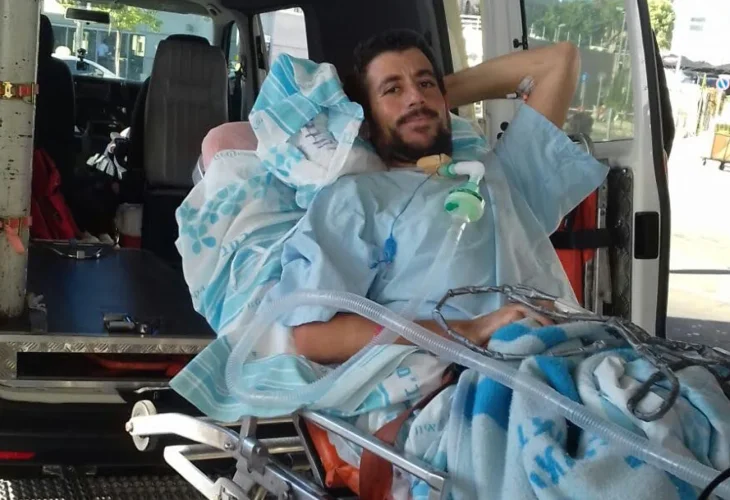 Aryeh Katz being transported to the hospital.
“I was an average guy living in the Shiloh community, running a construction and building materials business. Sports were a huge part of my life. I was happily married with four sons. Everything was quite ordinary,” Aryeh Katz shares, setting the stage for the life-changing turn his story would take.
“About eight years ago, I went on a group bike ride through forest trails. During one of the bends, something inexplicable happened. I think I hit a rock and crashed hard, shattering my ribs and helmet,” he recalls. “In an instant, I couldn’t feel my legs.”
He pauses, then adds, “I lost consciousness when it happened and missed some details, but when I came to, I remembered everything vividly.”
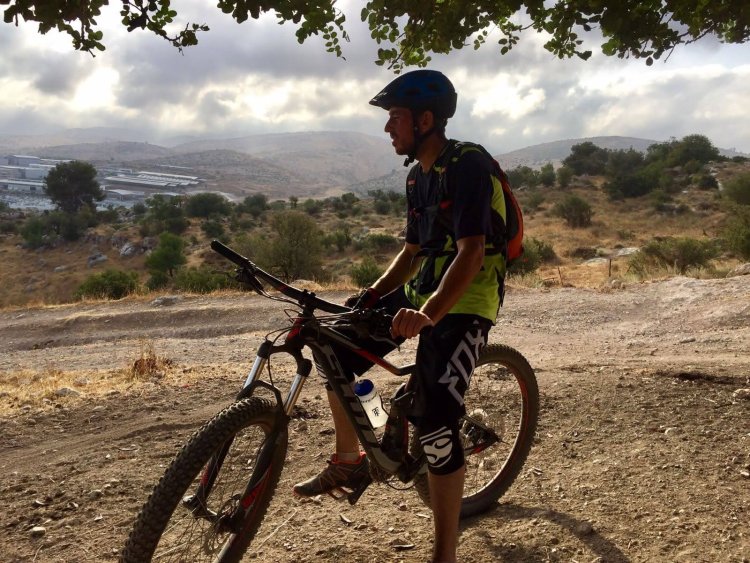 Before the injury
“The Doctor Said: You’re Paralyzed”
Recalling his immediate thoughts, Katz says, “I knew I’d broken my back and told everyone not to move me and to call for help. Even without understanding the full gravity of the injury, I sensed how serious it was. Rescue took time because of the remote location, and I was in terrible pain. All I wanted was to reach the hospital and escape the agony.”
At Rambam Hospital in Haifa, Katz awoke after back surgery. “The doctor explained bluntly that I had broken my back and suffered spinal cord damage, resulting in T5 paraplegia.”
Such news, delivered in a single sentence, changes everything.
“Exactly,” Katz says. “In one moment, a healthy, athletic person’s world is turned upside down. At first, I still had hope. Paralysis comes in different forms, and some people recover. But fairly quickly, I understood that mine was permanent, unless a miracle happened.”
He continues, “I never questioned Hashem. I don’t believe suffering is punishment. If Hashem placed me in this situation, then my role is to find meaning and live life to the fullest from here.”
Choosing Forward
Did those thoughts come immediately?
“Not right away,” he admits. “But once I grasped the reality, my focus shifted to how to move forward. Long hospital stays leave plenty of time for reflection. I prayed daily, and one line stayed with me: ‘Do not bring me to trial or disgrace.’ I asked for strength to face what lay ahead.”
“From the beginning, I made a conscious choice not to dwell on despair. Life could continue, even if it looked different.”
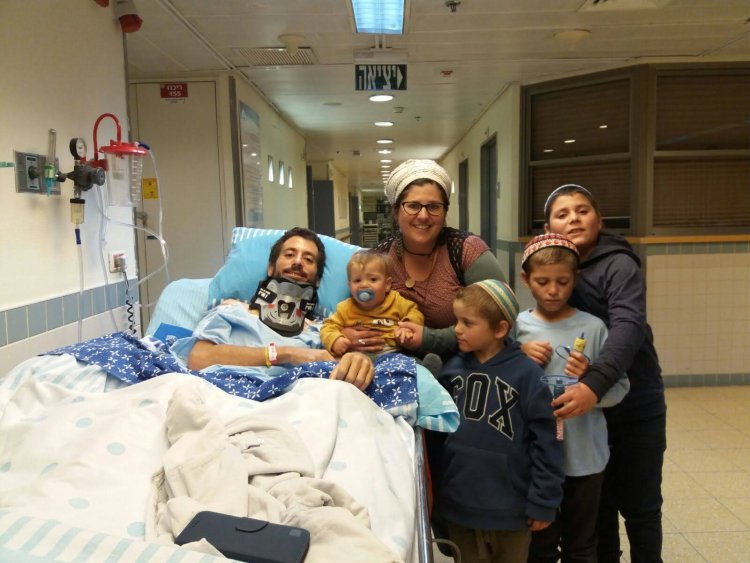 With his family at the hospital
Focusing on the Bright Side
How did those around you respond?
“They adapted quickly, largely because of my mindset. I understood that if I showed despair, it would weigh heavily on my family. I chose resilience, and people around me reflected that attitude.”
Despite the challenges, family life remained as normal as possible. The focus wasn’t on limitations, but on living fully. Work became less consistent, as paralysis brings additional neurological complications that make routine commitments difficult.
“Everyday tasks take longer,” Katz says, “but I still spend time with my family, travel, and drive independently. I try to focus less on what’s difficult and more on what’s good.”
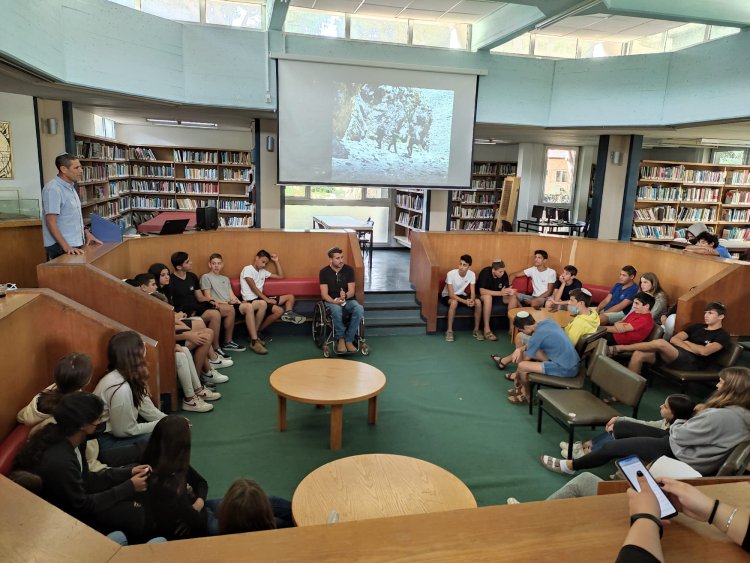 A lecture at the foundation
Living Life Anew
Looking back at the early days after his injury, Katz recalls, “I needed emotional support. Paralysis is shocking and disorienting. Before my injury, I had never met anyone living with a disability. Then I was introduced to someone who had been paralyzed for 18 years. That meeting changed everything.”
The encounter inspired the creation of Rolling Forward, a foundation dedicated to helping newly injured individuals, not through professional therapy, but by sharing lived experience and practical guidance.
“I know firsthand how critical that support is,” Katz explains. “I visit hospitals and homes, help people navigate bureaucracy, and sometimes even assist financially when possible.”
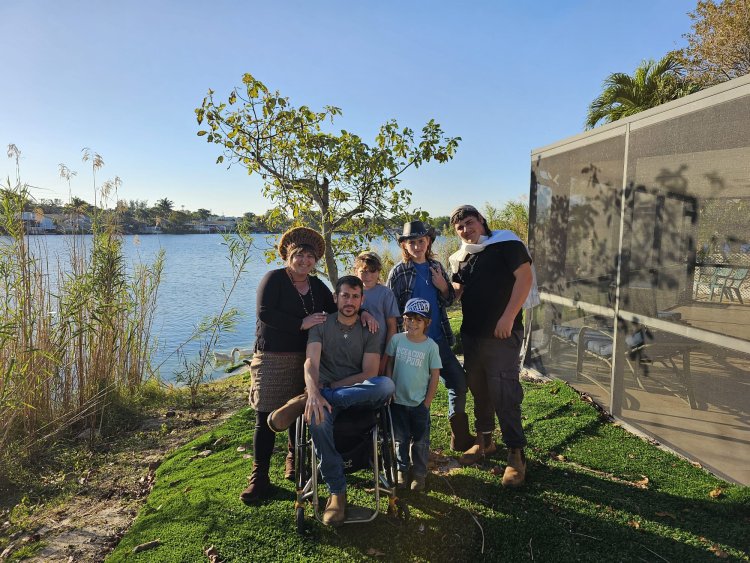 Aryeh Katz with his family
“Just Roll Forward”
Since the outbreak of the war, Katz has focused much of his efforts on supporting wounded soldiers coping with paralysis.
“Even when surrounded by care, many prefer to speak with someone who truly understands,” he says. “That’s where I try to be present, especially for those with spinal injuries.”
What is the most important message you share?
“More than words, it’s showing that life continues. We can’t change the past, but the future still holds enormous potential. I share my journey and the stories of others who continue to live meaningful, active lives despite their injuries. If you look forward, possibilities remain open.”
Katz acknowledges that recovery takes time and looks different for everyone. “There are ups and downs, just like in any life. But our task is to persevere, to keep going, and to keep rolling forward.”

