

Wonders of Creation
Inside the Human Eye: 12 Surprising Facts
How many times do we blink? Where does vision really happen? These fascinating facts offer a deeper look into how our eyes function.
- Moriah Chen
- | Updated
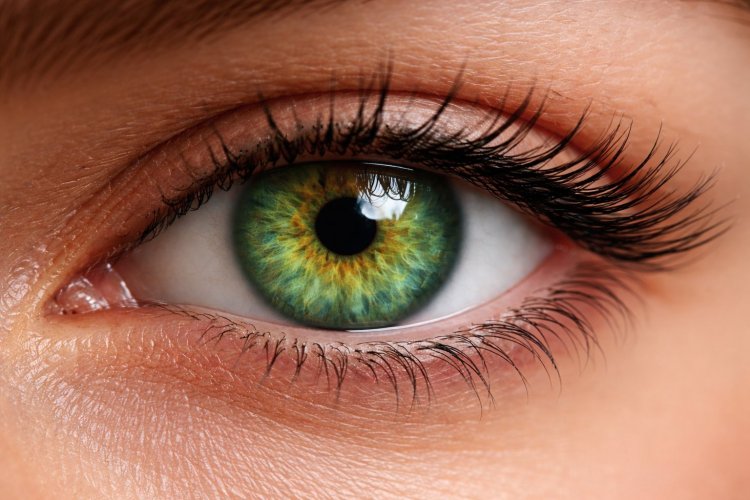
 (Photo: shutterstock)
Even when the rest of our body is completely still, our eyes never stop working. They constantly absorb information, transmit signals, and help the brain interpret the world around us. From color perception to emotional connection, the eyes play a far greater role than we usually notice. Here are some fascinating facts that reveal just how remarkable they truly are.
How We See the World
The eye can discern only three main colors: red, blue, and green. All other colors are perceived as combinations of these three.
Babies are born with limited color vision, which gradually improves during the first weeks of life.
The eyes use about 30% to 40% of the brain’s capabilities, more than any other organ. Over a lifetime, they process approximately 24 million images.
Images reach the brain upside down. It is the brain that flips and translates them into the picture we recognize as reality.
On average, we blink 17 times a minute, about 14,280 times a day, and roughly 5.2 million times a year. Each blink lasts between 100 and 150 milliseconds.
A minor scratch on the eye heals remarkably fast, often within 48 hours.
The eye contains about 107 million light-sensitive cells.
The average lifespan of an eyelash is approximately five months.
The iris has 256 unique characteristics, compared to about 40 in a fingerprint. This makes retinal scans highly effective for security identification.
Vision actually occurs in the brain, not in the eyes themselves. In some cases, blurry vision may stem from an issue in the brain’s cortex rather than the eye.
People who once had sight and later became blind can still see images in their dreams.
When we look at someone we love, our pupils can expand by as much as 45%.
A Quiet Marvel We Take for Granted
Our eyes work tirelessly, translating light into meaning, emotion, and memory. Though we rely on them every waking moment, their complexity often goes unnoticed. Taking a moment to appreciate how much they do reminds us just how extraordinary the human body truly is.

