

The Month of Elul
Elul Explained: 10 Things to Know About the Jewish Month of Reflection
Discover the spiritual significance of the month of Elul as we prepare for the High Holidays
- Yonatan HaLevi
- | Updated
1. Days of Forgiveness for All Generations
On Rosh Chodesh Elul, Moses ascended Mount Sinai for the third time to receive the second set of Tablets. A shofar was sounded throughout the camp to ensure that the people would not repeat the mistake of the Golden Calf. Forty days later, on Yom Kippur, Moses descended with the Tablets in his hands and announced that the Jewish people had been reconciled with God. The Almighty established Yom Kippur as a day of forgiveness for all generations. Therefore, the days from the beginning of Elul until Yom Kippur are considered especially favorable and spiritually uplifting times.
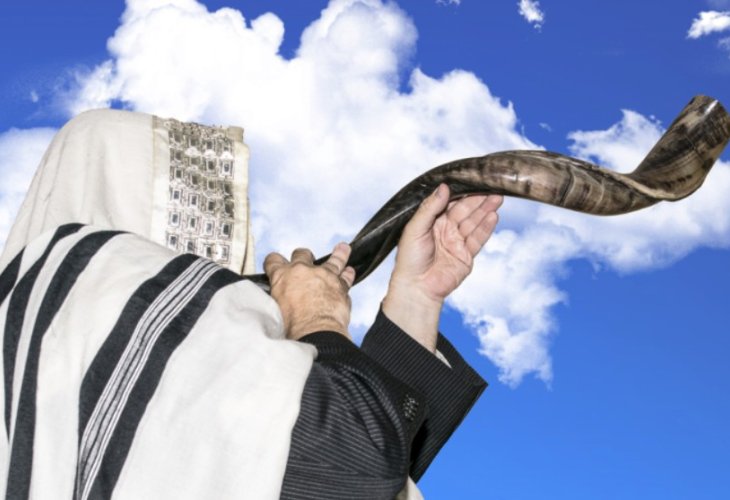
2. The Sounding of the Shofar
Throughout the month of Elul, a shofar is sounded every day, except on Shabbat and the day before Rosh Hashanah. The purpose of the shofar is to awaken people to repentance and inspire them to improve their actions, as the prophet asks: “Can a shofar be sounded in a city and the people not tremble?”
3. Selichot Prayers
Sephardic communities begin reciting Selichot throughout the entire month of Elul, while Ashkenazic communities begin approximately one week before Rosh Hashanah. Selichot are special prayers through which we ask the Creator for forgiveness, mercy, and a blessed new year.
4. Psalm 27
During both the morning (Shacharit) and afternoon (Mincha) prayers, Psalm 27 is added. The chapter begins with the famous verse: “The Lord is my light and my salvation—whom shall I fear? The Lord is the stronghold of my life—of whom shall I be afraid?”
5. Three Psalms Each Day
The Baal Shem Tov instituted the custom of reciting three chapters of Psalms each day, beginning on the first day of Elul and continuing through Yom Kippur. On Yom Kippur itself, thirty-six chapters are recited, completing the entire Book of Psalms.
6. Checking Tefillin and Mezuzot
It is customary during Elul to have one's tefillin and mezuzot inspected to ensure that they remain kosher and in proper condition.
7. Wishing One Another a Good Inscription and Sealing
When writing letters, emails, or messages during this season, it is customary to include the blessing: “May you be inscribed and sealed for a good year” (Ketivah VaChatimah Tovah).
8. Taking a Spiritual Inventory
Elul is a time for self-reflection and honest evaluation. We review our actions throughout the past year and identify areas that need improvement so that we can enter the new year with a renewed commitment to growth and positive change.
9. Serving God with Calmness and Joy
Rabbi Yitzchak Yerucham Borodiansky, the spiritual supervisor of Yeshivat Kol Torah, advised that feelings of awe and trembling should be reserved for moments such as hearing the shofar after the morning prayers or reciting “The Lord is my light and my salvation.” During the rest of the day, however, a person should serve God with inner peace, tranquility, and joy.
10. A Special Time for Love of God and Love of Israel
The word Elul is often understood as an acronym for the verse, “Ani Ledodi Vedodi Li” - “I am my Beloved’s and my Beloved is mine” (Song of Songs 6:3). This verse expresses the profound bond between the Jewish people and God through the metaphor of the love between husband and wife.
The sages teach in Pirkei DeRabbi Eliezer that Elul is a period of Divine favor, a time when God draws especially close to His people and grants them a unique opportunity for connection. During these forty days, our “Beloved” comes near and listens to our prayers and requests.
Rabbeinu Machir, author of Seder HaYom, explains that the phrase “I am my Beloved’s” is possible only because “my Beloved is mine.” In other words, we feel especially close to God during Elul not because we have suddenly drawn near to Him, but because He has first drawn near to us. His closeness awakens our desire to come closer in return.
Elul is therefore much more than a season of preparation for the High Holidays. It is a precious opportunity to strengthen our relationship with God, deepen our love for our fellow Jews, and enter the new year with renewed faith, hope, and purpose.

