

Health Recipes
Healthy Fats Explained: The Truth About Oils, Saturated Fats, and Trans Fats
A simple guide to understanding lipids, avoiding trans fats, and improving your everyday nutrition
- Chen Tovi
- | Updated
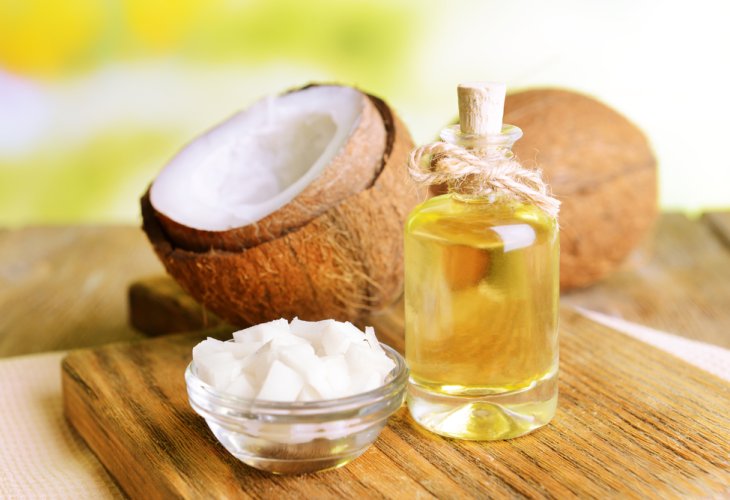 Coconut oil (Photo: shutterstock)
Lipids are one of the fundamental nutrient groups. They play a key role in building the body, protecting organs, maintaining body temperature, and supporting many vital processes such as hormone production, vitamin absorption, and digestive regulation.
They are also what give food its texture and flavor.
Because of this, it is important to pay attention to both the quality and quantity of the fats we consume. The goal is balance. Too little is not good, but too much can also be harmful.
The Three Types of Fats: Good, Bad, and Ugly
I like to divide fats into three simple categories:
The good: Unsaturated fats
The bad: Saturated fats
The ugly: Trans fats
There is also cholesterol, but since about 70% of it is produced by our own bodies, we will not focus on it here. It is worth noting that dietary cholesterol comes only from animal products. When you see “cholesterol-free” on vegetable oils, it is simply a marketing trick.
Why Some Fats Are Liquid and Others Are Solid
If we look at common fats and oils such as olive oil, sunflower oil, margarine, soybean oil, butter, and coconut oil, we notice that some are liquid while others are solid.
While chemistry explains this through molecular structure, we can simplify it:
Unsaturated fats are liquid at room temperature
Examples include olive oil, corn oil, canola oilSaturated fats are solid at room temperature
Examples include butter, animal fat that solidifies after cooking
In simple terms:
Liquid fats are usually called oils
Solid fats are usually called fats
Generally, unsaturated fats come from plants, but not always. For example, many fish contain healthy unsaturated fats like omega-3.
Similarly, saturated fats are often from animal sources, but not always. Coconut oil and palm oil are plant-based yet saturated.
Why Saturated Fat Is Considered “Less Healthy”
Although fats are essential for the body, saturated fats have a greater tendency to accumulate in blood vessel walls. Over time, this can contribute to blockages and lead to cardiovascular issues.
Coconut oil, interestingly, is controversial. Some advise avoiding it because it is saturated, while others highlight its many benefits.
The Real Problem: Trans Fats
The food industry, trying to replace animal fats, modified plant oils to make them more stable and solid. This process created margarine.
It looked like butter, spread like butter, and came from plants. It even contained no cholesterol. For many, especially in kosher kitchens, it seemed like the perfect solution.
In reality however, it is not.
This is trans fat, a substance created through industrial processing. Since it does not exist naturally, the body does not recognize it and does not know how to handle it.
After entering the bloodstream, no cells or tissues want to absorb it. It is therefore not properly processed or eliminated. Instead, it tends to remain in the blood vessels, where it can cause harm.
Today, most people know to avoid margarine. However, the real issue is that trans fats are often hidden in processed foods.
When reading labels, watch for the following terms:
Trans fat
Hydrogenated fat
Partially hydrogenated fat
Hydrogenated vegetable oil
If you see these, it is best to put the product back on the shelf.
How to Use Healthy Oils Properly
Even healthy oils are delicate and should be handled correctly.
Storage
Keep oils in a dark place. Light can cause oxidation. Glass bottles, especially dark ones, are preferable.
Heating
Minimize heating whenever possible. High heat damages oils and creates harmful compounds.
Baking is better than frying. Even foods like schnitzel, meatballs, and fries can turn out great in the oven. If you do fry, avoid reusing oil. Let it cool, transfer it to a container, and dispose of it properly rather than pouring it down the sink.
Cooking Tip
When preparing grains like rice, quinoa, or buckwheat, cook them without oil. Once the cooking is complete, add oil and spices. This enhances flavor, texture, and aroma.
A Simple Homemade Spread Idea
Blend olive oil with your favorite flavors, such as garlic, basil, or thyme. Pour the mixture into ice cube trays and freeze for a delicious, spreadable, plant-based alternative that is perfect for bread.

