

Wonders of Creation
How Camels Survive Without Water: A Fascinating Look
Discover how camels are built to handle extreme heat, cold, and long periods without water.
- Debbie Reichman
- | Updated
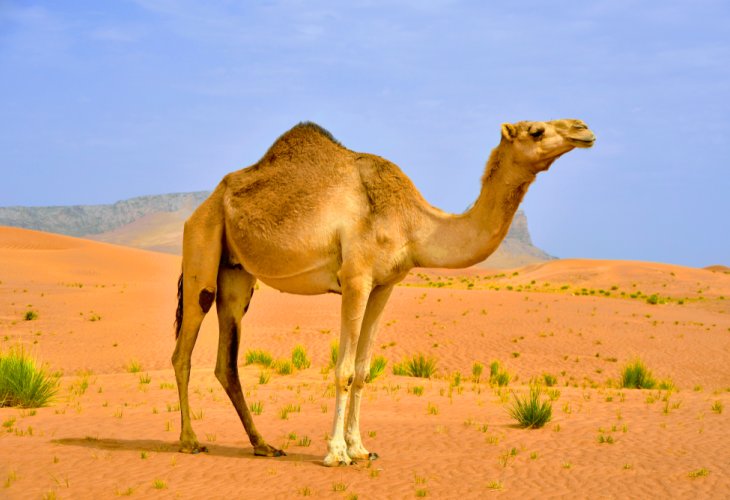 (Photo: shutterstock)
In the Torah, we read about Eliezer, Abraham’s servant, who traveled to Aram-Naharaim in search of a wife for Isaac. He arrived with ten camels loaded with gifts, and it was there that Rebecca revealed her kindness by offering water not only to him, but also to his camels.
This moment highlights something we may not always stop to consider: the remarkable nature of the camel itself.
The Truth About Camel Humps
Camels are surrounded by many myths, mostly because of their most recognizable feature, the hump.
Some people believe that camels do not need water at all. Others think they store water inside their humps for later use.
In reality, neither is true.
Camels do need water, but what makes them extraordinary is how efficiently they can manage it.
Built for the Desert
Camels can go up to two weeks without drinking, even in extremely hot and dry desert conditions, without harming their bodies.
When they do find water, they can drink an enormous amount at once, sometimes up to 40 gallons.
Hashem designed camels with a special ability to conserve fluids. When water is scarce, their bodies minimize fluid loss, allowing them to survive for long periods on the water they have already consumed.
What Is in the Hump
Despite common belief, the camel’s hump does not store water.
It stores fat.
This fat serves as an energy reserve and also helps the camel regulate its body temperature. The hump acts as insulation, protecting the camel from the intense heat of the desert during the day and the cold at night.
Because there are very few blood vessels in the hump, it does not release much heat, helping the camel maintain a stable internal temperature.
A Different Kind of Camel
In parts of Central Asia, there are camels with two humps.
These camels are mostly domesticated, although some still live in the wild. They are adapted to even harsher conditions.
They can drink up to 100 liters of water in one sitting and survive long periods afterward without drinking again. During colder seasons, they also grow a thick coat that helps protect them from freezing temperatures.
A Deeper Look at Creation
What may seem like a simple desert animal is actually a remarkable example of design and purpose.
The camel’s ability to survive in extreme conditions reminds us that every creature is equipped exactly with what it needs to live and thrive.
When we take a closer look, we begin to notice the wisdom and care present throughout the natural world.

