

Wonders of Creation
The Carob Tree: Ancient Superfood, Biblical History, and the Origin of the Carat
The remarkable story of the carob fruit — from its mention in the Talmud and its rich nutritional value to its modern uses and surprising connection to gold and diamonds
- Debbie Reichman
- | Updated
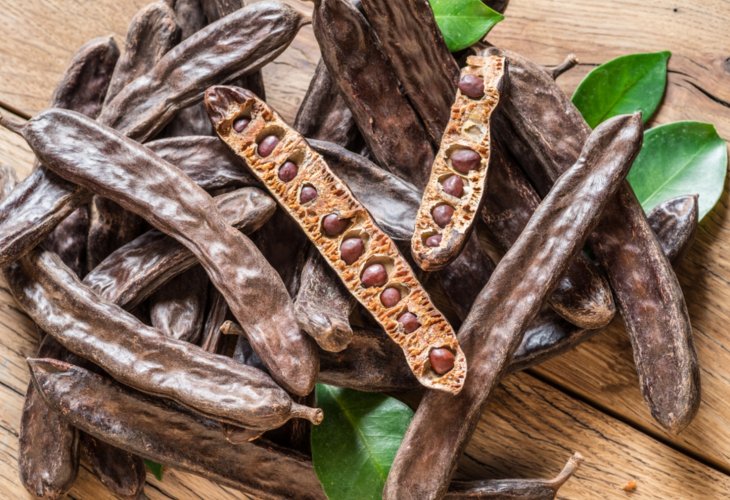 Photo: Shutterstock
The Talmud (Chullin 86a) speaks in praise of Rabbi Chanina ben Dosa and says: “The entire world is sustained for the sake of My son Chanina, and My son Chanina is satisfied with a measure of carobs from one erev Shabbat to the next.”
The carob, mentioned in this passage, is one of the most ancient foods referenced in classical Jewish sources, appearing numerous times in both the Mishnah and the Gemara.
The origin of the carob’s name is uncertain. It may be connected to the shape of the pod, which resembles a sword, or perhaps to the dry nature of its fruit, since carob pods contain a particularly low amount of water.
The carob tree originates from the eastern Mediterranean region and grows primarily in Israel and its surrounding areas. Carob trees begin to flower in the autumn, around October, but the fruit takes a long time to mature. In fact, the pods are usually harvested only about a year after flowering, during the autumn of the following year.
From “Food of the Poor” to Superfood
For centuries, carob was known as a food of the poor, likely because it was common and easily available.
The Gemara recounts that Rabbi Shimon bar Yochai and his son Elazar survived while hiding in a cave by living from a carob tree that grew there.
The nutritional value of carob is surprisingly high, and today it is often considered a superfood. It is so rich in nutrients that, if necessary, it is possible to survive on carob alone without additional foods.
Modern Uses of Carob
In recent years, carob has regained popularity, both because of its nutritional benefits and because it can be used in a variety of products.
Carob has a naturally sweet taste. In the past, children would often suck the sweet pulp directly from the pods. Today, manufacturers produce carob syrup, a thick and very sweet honey-like substance often used as a natural sweetener in cakes and baked goods and as a healthier alternative to sugar.
Carob is also widely known as a substitute for chocolate or cocoa. Many people prefer using carob spread in children’s sandwiches instead of chocolate spread, which generally has lower nutritional value.
The Fascinating Story Behind the Carat
Carob has another remarkable feature.
Its seeds, although not edible, are known for their uniform size and weight. Each seed weighs approximately two grams, with extraordinary consistency.
Their precision was so reliable that in the past they were used as a unit of weight. These carob seeds became known as the carat, and they were used for weighing gold and diamonds.
To this day, the weight of gold and gemstones is still measured according to this unit — a measurement system whose origins trace back to the humble carob seed.

