

Wonders of Creation
The Amazing Benefits of Water: 10 Fascinating Facts About Hydration and Health
Discover how water supports your body, skin, brain, and metabolism, along with surprising facts about hydration, bottled water, and more
- Moriah Chen
- | Updated
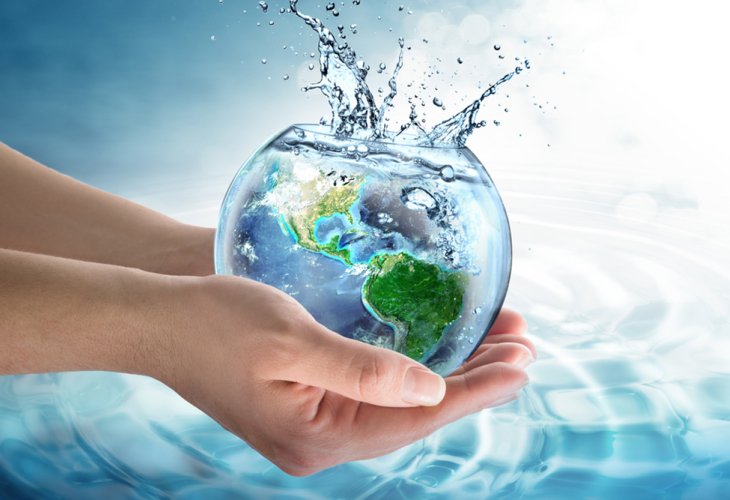
Water has remarkable properties that can greatly improve our quality of life. Let’s take a closer look at them.
1. Water Makes Up Most of the Human Body
Water makes up approximately 50–60% of the human body weight, depending on age, sex, and body composition.
2. Recommended Daily Intake
The recommended daily amount of fluids varies by age and individual needs.
As a general guide:
adults: about 9–13 cups per day
teenagers: about 8–11 cups per day
children: about 4–8 cups per day depending on age
Hot weather, exercise, illness, and body size may increase these needs.
3. Water Helps Keep Skin Looking Fresh
Drinking enough water helps maintain hydration throughout the body, including the skin. Proper hydration can support a fresher, healthier-looking complexion and help maintain skin moisture.
4. Lack of Water Can Affect Health
Chronic lack of water may contribute to health issues such as dehydration, kidney stones, headaches, migraines, constipation, and difficulty concentrating.
Even mild dehydration can cause fatigue, headaches, dizziness, and reduced mental clarity.
5. Water Supports Metabolism and Brain Function
Water helps the body remove waste products and toxins through urine and bowel movements. It also supports metabolism, digestion, nutrient absorption, and cognitive performance such as concentration and clear thinking.
6. Hot Water Can Freeze Faster Than Cold Water
Interestingly, under certain specific conditions, hot water can freeze faster than cooler water. This is known as the Mpemba effect, a phenomenon that has intrigued scientists for many years.
7. Tap Water vs. Mineral Water
From a nutritional standpoint, both tap water and mineral water can contribute to hydration.
The main difference is that mineral water contains a known and consistent mineral composition, while the exact mineral content of tap water may vary by location.
8. Check Storage Conditions for Bottled Water
When using bottled or mineral water, it is important to pay attention to the expiration date and storage conditions. Bottles left for long periods in heat or unsuitable environments may develop bacterial growth or chemical changes.
9. Thirst Begins After Mild Dehydration
By the time a person begins to feel thirsty, the body may already have lost around 1–2% of its water content, which is enough to begin affecting concentration and physical performance.
10. A Fascinating Fact About Frogs
Did you know? Frogs do not drink water the way humans do. Instead, they absorb water directly through their skin, especially through a specialized area on the underside of their bodies.

