

Jewish Law
Wonders of the Animal Kingdom: Fascinating Lessons from Nature in Jewish Thought
Discover surprising animal behaviors and the deeper wisdom they reveal about creation, life, and human purpose
- Rabbi Yaakov Maavari
- | Updated
 (Photo: shutterstock)
I found it appropriate to share some of the remarkable wonders that God created in the animal world, as it is written: “He teaches us from the animals of the earth and makes us wise from the birds of the sky” (Job 35:11). “Teaches us” means that we learn wisdom from animals (Rashi; see also Malbim).
Remarkable Animal Behaviors
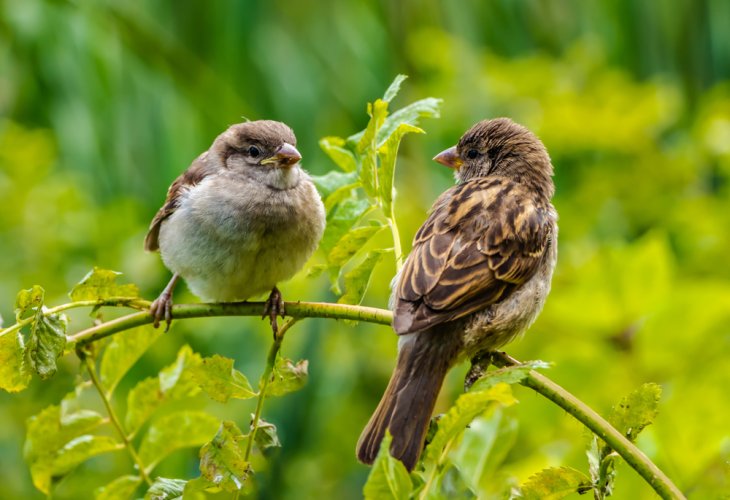
Where does a sparrow not build its nest?
A sparrow will not build a nest in a house that is about to collapse.Which animal gives birth as a male?
The seahorse. The female deposits eggs into a pouch in the male’s abdomen (similar to a kangaroo), and after 10–40 days, the offspring emerge.How many offspring at once?
Between 10 and 20.
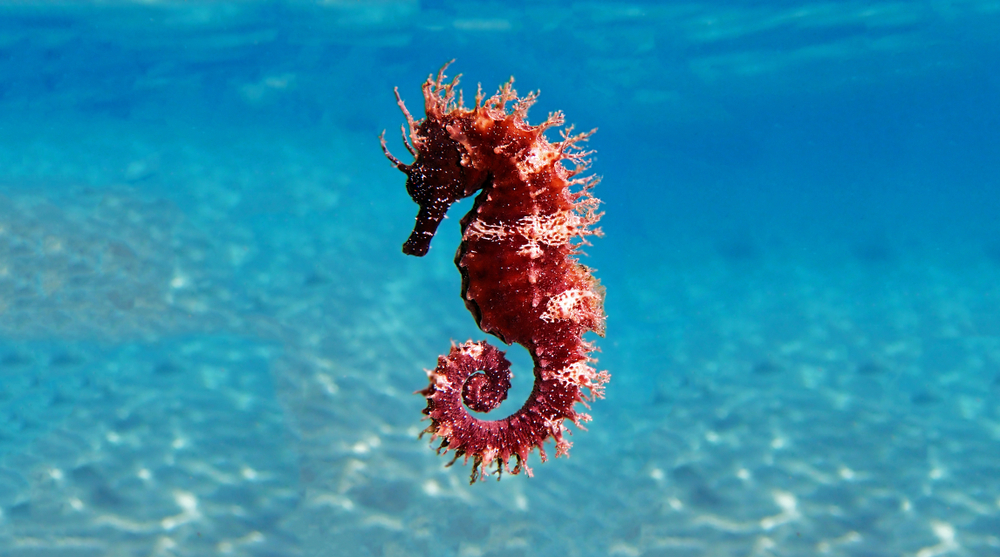 Image: Shutterstock
Which is the most aggressive wild animal?
The wild boar.Which animal’s sight removes worry?
The tachash (a unique creature mentioned in the Torah). Its very name hints at removing sorrow.Which animal has one large eye and one small eye?
The goose.Why can a goose float on water?
Because its feet are wide.
Design and Survival in Nature
One of the wonders of creation is camouflage. Animals like the chameleon change color to blend into their surroundings, and the Arctic fox shifts from brown in summer to white in winter. The lion, however, does not change color, because it fears no other animal and has no need for camouflage.
Which animal sleeps with its eyes open?
The hare.
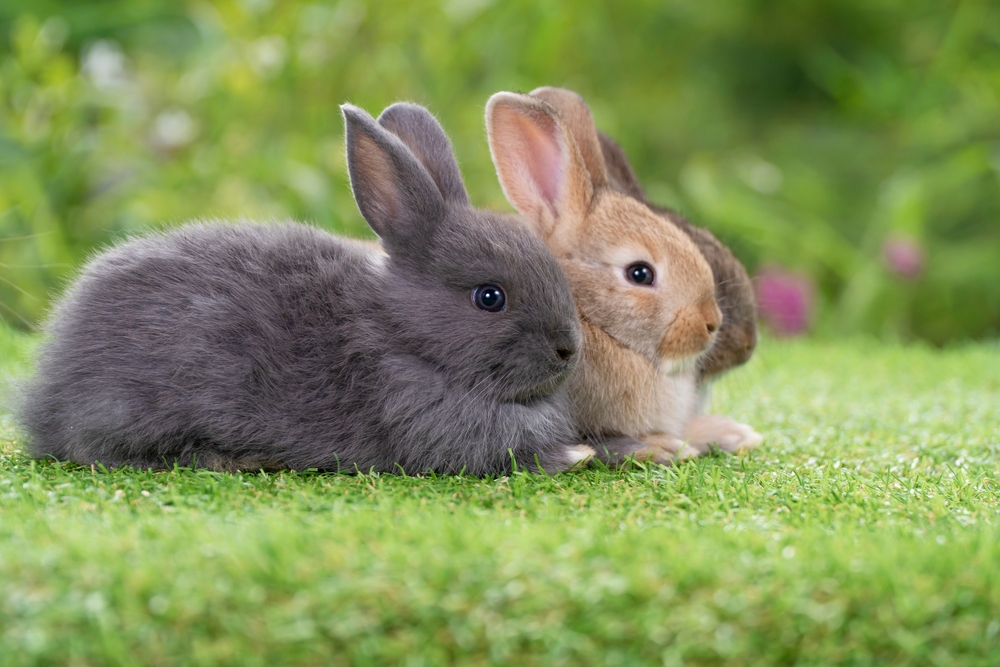 Image: Shutterstock
How many veins are in a mouse’s liver?
According to tradition, as many as the days of the solar year.
Unique Survival Strategies
The fishing heron catches fish by using crumbs as bait, luring fish toward it before catching them.
Which animal sleeps the most?
A creature known as the “harvester” sleeps all winter and most of the day in summer.Which creature lays thousands of eggs?
The ant lays up to 8,000 in one summer, with worker ants caring for them.
Animals and Human Lessons
Humans uniquely require companionship. From birth to death, a person depends on others — unlike animals, which can live independently.
This dependence is connected to the consequences of the first human’s sin.Even animals have parent-child relationships, but not extended generational bonds like grandparents and grandchildren — this continuity is unique to humans.
Medical and Natural Phenomena
Certain crabs contain stones in their stomachs that were historically used for medicinal purposes.
To repel a snake, some sources suggest burning a ram’s horn.
The Lion and Its Unexpected Fear
Despite its strength, the lion is said to fear a small animal called the parvanka, which can trap and even kill it using clever tactics.
Interestingly, the parvanka fears the dog, and the dog fears the lion — creating a balance where none harms the other if all are present.
The Wisdom of the Hen
A hen carefully rotates her eggs to ensure each receives equal warmth.
She can instinctively detect which eggs will not hatch and removes them.
When a chick hatches, the entire egg is used for its development — leaving an empty, dry shell behind.
Remarkably, once a chick emerges, it cannot fit back into the egg that contained it just moments before.
Life in Extreme Environments
Mountain goats can walk steadily along steep cliffs without falling, skillfully gathering food in dangerous terrain.
“How many are Your works, O Lord!” (Psalms 104:24) The natural world is filled with wisdom, precision, and purpose. By observing animals, we not only marvel at creation but also gain insight into life, balance, and the brilliance of the Creator.

