

World News
Report: Israel and the U.S. Considered Ahmadinejad as a Possible Post-Regime Leader in Iran
An American report says Mahmoud Ahmadinejad was identified as a candidate to replace Iran’s leadership if the regime fell. But the plan reportedly unraveled on the very first day of the war, after he was injured in a strike.
- Yuval Aviv
- | Updated
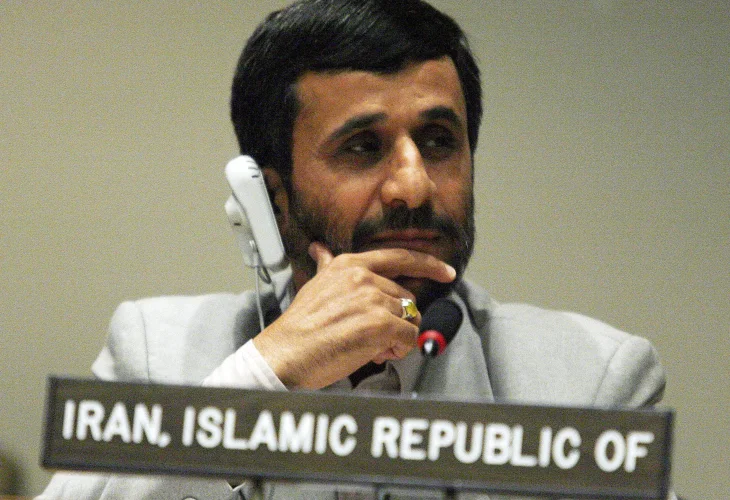 Ahmadinejad (Credit: shutterstock)
Former Iranian President Mahmoud Ahmadinejad was identified as a candidate to replace Iran’s former leader, Ali Khamenei, according to a report published today (Wednesday) in the "New York Times". According to the claim, this was a joint American-Israeli plan, formulated in coordination with the former Iranian president, despite his clearly anti-Israel positions.
According to the report, which was based on official American sources as well as a source close to Ahmadinejad, the ambitious move began to collapse in the opening stages of the fighting. According to the published details, as part of the operation intended to secure Ahmadinejad’s release from the house arrest in which he was allegedly being held, the air force struck his home in Tehran. The goal of the strike, it was claimed, was to eliminate the guards holding him and make his release possible.
But the operation did not unfold as planned. Ahmadinejad was wounded in the strike but survived, and according to the report, the experience led him to question the broader plan to topple the regime. Since that incident, the article says, he has not been seen in public, and his current location and condition are unknown.
The White House declined to confirm the report itself about the alleged political move, but addressed the operation’s goals in general terms. Anna Kelly, a White House spokesperson, said: "From the beginning, President Trump was clear about the goals of Operation 'Epic Rage': destroying Iran’s ballistic missiles, dismantling their production facilities, sinking their navy, and weakening their proxies. The U.S. military met every objective and more, and now the negotiations are focused on an agreement that will end Iran’s nuclear capabilities forever."
Ahmadinejad became known for his hardline positions against Israel and the United States, his support for Iran’s nuclear program, and the suppression of internal protests. Among other things, he was associated with the call to "wipe Israel off the map." At the same time, after leaving office, his relationship with the centers of power in Tehran deteriorated, and he became a public critic of the government and even of Supreme Leader Ali Khamenei — a shift that led the regime to view him as a destabilizing figure.

