

Raising Children
Bedtime Fears: How to Help Children Feel Safe at Night
From fear of the dark to anxiety about sleeping alone, many children struggle at bedtime. Discover gentle ways to help them feel protected and calm.
- Tehila Cohen
- | Updated
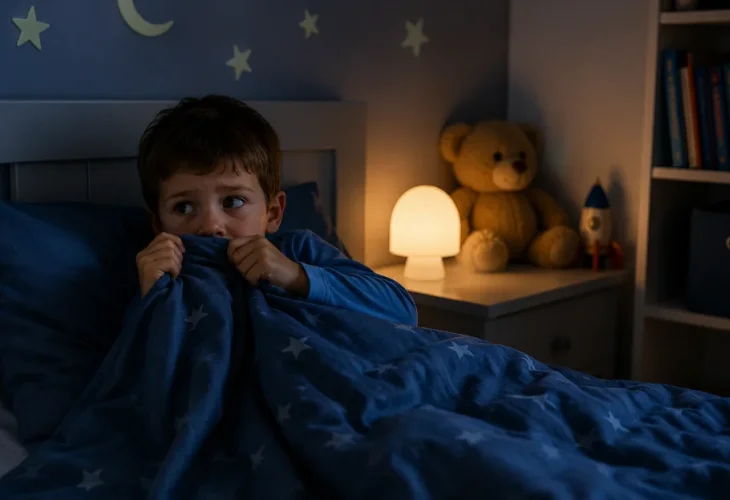
It is a scene almost every parent knows well. Night falls, the lights go out, bedtime kisses are given, and suddenly the fears begin. Children call out again and again for one more hug, one more drink of water, one more story, or one more check that everything is okay. Anything to avoid being left alone in the dark room.
Fear of sleeping alone is extremely common in childhood, especially during the early years. It is closely connected to the way children’s brains and imaginations develop. At night, the world becomes quieter, darker, and less predictable. A child’s imagination becomes more active, while their ability to fully separate fantasy from reality is still developing.
Some children fear the darkness itself. Others fear monsters, bad dreams, strange sounds, or simply being alone without their parents nearby. In some cases, nighttime fears become stronger after stressful periods, changes at home, moving, exposure to something frightening, or even emotional tension children quietly absorb from the adults around them.
Why Children’s Bedtime Fears Feel So Real
One of the most common parenting mistakes is dismissing a child’s fear with phrases like:
“There is nothing to be afraid of.”
“You are already a big kid.”
From an adult perspective, the fear may seem irrational. But for the child, the fear feels completely real. When adults minimize or dismiss those feelings, children may feel misunderstood, embarrassed, or emotionally alone.
Instead of trying to convince children that their fear makes no sense, it is usually more helpful to acknowledge the feeling while also creating calm and security.
How to Help a Child Who Is Afraid to Sleep Alone
The first goal is to help the child feel safe without unintentionally strengthening the fear itself.
Instead of responding with frustration or anxiety, try calmly saying:
“I understand that you feel scared right now, but you are safe. We are close by, and Hashem is always watching over you, even at night.”
Children often borrow emotional cues from their parents. The calmer and more confident the parent feels, the safer the child usually feels too.
Why Bedtime Routines Matter So Much
Consistent bedtime routines can significantly reduce nighttime fears.
Children feel safer when bedtime follows a familiar pattern each night, such as bath time, pajamas, a story, a hug, and sleep around the same hour every evening. Predictability gives children’s brains a sense of stability and emotional safety.
Small comforting elements can also help. Some children feel calmer with a dim night light, a favorite stuffed animal, soft music, or a comforting object that reminds them of their parents.
Helping Children Build Confidence at Bedtime
At the same time, it is important not to create complete long term dependence on a parent falling asleep beside the child every night. While occasionally comforting a frightened child is completely natural, long term dependence may unintentionally strengthen the belief that the child cannot fall asleep independently.
Instead, parents can stay nearby briefly, offer reassurance, and gradually help the child build confidence in falling asleep on their own.
The key is consistency, warmth, and calm reassurance rather than sudden withdrawal or frustration.
How Stress and Overstimulation Affect Nighttime Fears
Nighttime fears often become much stronger when children are emotionally overwhelmed, overstimulated, or overtired.
Reducing screen time before bed, creating calmer evenings, spending more quiet time together, and slowing down overstimulating schedules can all make a noticeable difference in helping children feel emotionally settled at night.
The Goal Is Not to Eliminate Fear Completely
The goal is not to raise children who never feel afraid. Fear is a normal part of childhood and emotional development.
The real goal is helping children learn that even when they do feel afraid, they are still safe, supported, protected, and never truly alone.

