

Israel News
Why Israel Cut Interest Rates As The Shekel Surges
The Bank of Israel says inflation has cooled, but the stronger shekel is creating winners and losers across Israel’s economy
 Shutterstock
The Bank of Israel cut its interest rate on Monday from 4% to 3.75%, its first reduction since January, after months of holding rates high because of war-related uncertainty and inflation concerns.
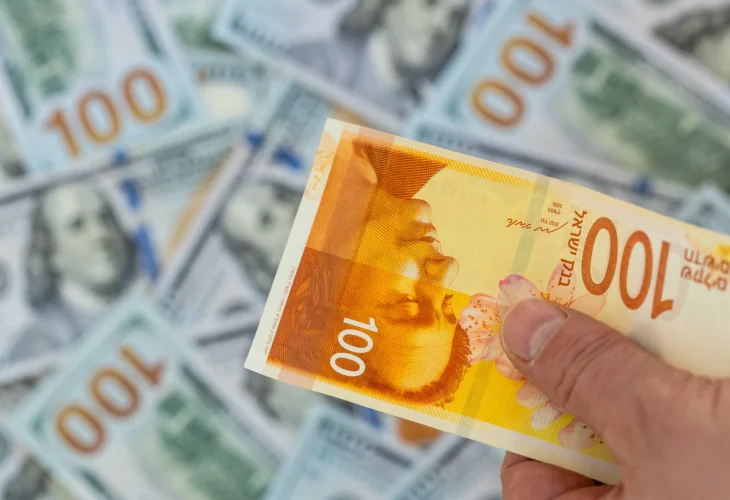
The decision came as inflation slowed to 1.9%, inside the Bank’s target range, while the shekel strengthened sharply to around 2.89 against the dollar. The move signals that Israel’s central bank is beginning to shift from wartime caution toward cautious support for economic activity.
Interest rates are one of the main tools central banks use to control inflation. When rates are high, borrowing becomes more expensive, households spend less, businesses invest more carefully, and economic demand cools. That can help slow price increases, but it also weighs on families and companies.
For Israelis, a lower rate can eventually mean cheaper mortgages, loans and credit, though the impact is not immediate. It can also give businesses more room to invest, expand and hire, especially after a period of uncertainty.
The Bank of Israel said its policy is aimed at maintaining “price stability, support for economic activity, and stability of the markets.” It said future decisions will depend on inflation, economic activity, fiscal developments and the security situation.
The shekel’s strength was a major part of the picture. Since the previous interest rate decision, the Bank said the shekel strengthened 8.3% against the dollar, and 7.2% against the euro.
A stronger shekel helps lower inflation by making imported goods cheaper. That gave the Bank more room to cut rates without immediately risking another sharp rise in prices.
At the same time, the strong shekel creates winners and losers. For Israeli consumers, it can make imported products, foreign travel and online purchases cheaper. But for exporters and tech companies earning dollars, a stronger shekel can hurt, because their foreign revenue is worth less when converted back into shekels.
If the rate cut weakens the shekel, the equation shifts. Exporters, tourism companies, Israeli tech firms earning revenue in dollars, and Americans spending or sending dollars in Israel may benefit. Their dollars would go further.
But a weaker shekel would be less helpful for Israelis buying imported goods, booking flights, shopping from abroad, or running businesses that depend on foreign imports. Those costs can rise when the dollar gains against the shekel. That makes the rate cut especially relevant for foreigners with financial ties to Israel.
The Bank is now trying to ease pressure on households and businesses without allowing inflation to return. Deputy Governor Andrew Abir recently warned that markets can “overshoot,” a reminder that the shekel’s sharp rally may not move in one direction forever.

