

Interesting
The Ultimate Guide to Picking the Perfect Watermelon
Want a sweet, juicy watermelon every time? Experts reveal the simple signs that can help you spot a ripe, flavorful melon before you buy it.
- Yitzchak Eitan
- | Updated
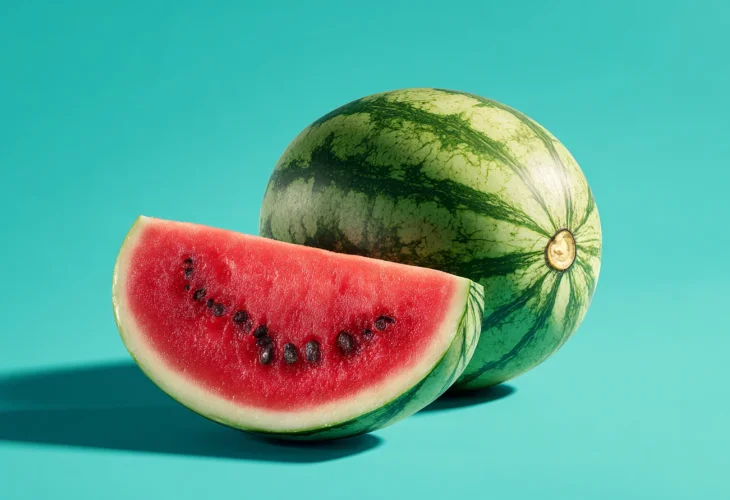
Nothing says summer quite like a cold slice of watermelon. Sweet, refreshing, and packed with juice, it’s a seasonal favorite at backyard barbecues, family gatherings, and poolside afternoons.
But choosing a good watermelon can sometimes feel like a guessing game. How do you know if the one you're bringing home will be perfectly ripe instead of bland or mealy?
According to agricultural experts, there are several simple signs that can help you spot a sweet, flavorful watermelon before you even cut it open.
Start With Where It's Stored
Believe it or not, choosing a good watermelon begins before you even pick one up.
Experts recommend buying watermelons that have been stored in a shaded area rather than sitting for long periods in direct sunlight. Excessive heat can affect the fruit's quality and freshness.
While roadside watermelon stands are less common than they once were, it's still worth paying attention to how the fruit is displayed. If a pile of watermelons has been baking in the sun all day, you may want to keep looking.
Look for a Uniform Shape
A good watermelon should have a consistent shape, whether it's round or oval.
Large dents, unusual bumps, or irregular growth patterns can sometimes indicate that the fruit did not develop evenly.
The exact color of the rind is less important, since different varieties naturally have different shades and stripe patterns. Instead, focus on the overall appearance and symmetry of the fruit.
Don't Ignore the Field Spot
One of the most reliable signs of ripeness is the field spot—the pale area on the underside of the watermelon where it rested on the ground while growing.
A creamy yellow or golden-yellow field spot is usually a good sign. It indicates that the watermelon spent enough time ripening on the vine before being harvested.
If the spot is very pale or almost white, the fruit may have been picked too early.
What About the Stem?
Many people believe a dry stem means a watermelon is ripe, but experts say that isn't necessarily true.
Modern watermelon varieties are often harvested while the stem is still green. In fact, a green stem can be a sign of freshness, indicating the watermelon was picked more recently.
A dry stem doesn't automatically mean the watermelon is bad—it simply suggests that more time has passed since harvest.
The Famous Tapping Test
Perhaps the most well-known watermelon test is giving it a gentle tap.
Experts recommend comparing several watermelons side by side. When tapped with an open hand, a ripe watermelon should produce a clear, hollow sound.
A dull or flat sound may indicate a watermelon that is overripe or mealy inside.
While the tapping method isn't foolproof, it can be a helpful clue when combined with the other signs.
The Best Approach
No single trick guarantees a perfect watermelon every time. The best results come from using several indicators together: choose a watermelon with a uniform shape, a creamy yellow field spot, proper storage conditions, and a crisp, hollow sound when tapped.
With a little practice, you'll greatly improve your chances of bringing home a sweet, juicy watermelon that's worthy of summer.

