

Depression and Anxiety
What to Eat for Anxiety: 10 Foods That Support Mental and Emotional Health
Research suggests that your diet can influence stress levels, sleep quality, energy, and even how your brain responds to anxiety
- Shira Dabush
- | Updated
The people of Israel have been going through a challenging period that has affected many aspects of daily life, including mental health. Since October 7 and the subsequent conflict with Iran, increasing numbers of people have been experiencing anxiety. However, research suggests that our emotional well-being is influenced not only by what happens around us, but also by what enters our digestive system.
Studies show that what we eat can have a direct impact on the nervous system, sleep quality, energy levels, and even the body's ability to cope with stress. Sharp blood sugar fluctuations, nutritional deficiencies, excessive caffeine consumption, and poor dietary habits can all intensify feelings of nervousness, tension, and heart palpitations. On the other hand, certain foods may help the body feel more stable, balanced, and resilient. If you struggle with anxiety, these are foods worth knowing about.
1. Fatty Fish
Salmon, sardines, mackerel, and tuna are considered especially beneficial for the brain and nervous system because they are rich in omega-3 fatty acids.
Numerous studies have found a connection between low omega-3 levels and increased feelings of stress, anxiety, and depression.
In addition, these healthy fats help reduce inflammation throughout the body and support proper brain cell function.
2. Leafy Green Vegetables
Spinach, Swiss chard, kale, and dark leafy lettuce are rich in magnesium, a mineral that directly affects the nervous system and muscles.
Magnesium deficiency may contribute to irritability, tension, fatigue, and even a persistent feeling of being on edge. For this reason, many people trying to manage stress make an effort to include more green vegetables in their diets.
3. Yogurt and Probiotic Foods
In recent years, scientists have paid increasing attention to the connection between the gut and the brain.
In fact, a significant portion of the body's serotonin is produced in the digestive system.
Natural yogurt, sauerkraut, and other fermented foods help support a healthy balance of gut bacteria, which may positively influence mood and overall well-being.
4. Nuts and Almonds
Walnuts, almonds, cashews, and pistachios provide healthy fats, magnesium, and zinc.
They also help stabilize blood sugar levels, which may reduce feelings of irritability and sudden hunger that often accompany periods of stress.
5. Oatmeal and Whole Grains
Complex carbohydrates are digested more slowly by the body, helping maintain steady energy levels throughout the day.
When blood sugar levels rise and fall rapidly, many people experience greater anxiety, weakness, and restlessness. Whole grains can help moderate these fluctuations.
6. Bananas
Bananas contain potassium and vitamin B6, both of which are important for healthy nervous system function.
They also provide a gentle source of readily available energy, making them particularly helpful during busy or stressful days.
7. Dark Chocolate
High-quality dark chocolate contains magnesium and antioxidants that may contribute to relaxation and stress reduction.
Many people feel that chocolate improves their mood, and there may be a biological reason for that. However, it is best to choose chocolate with a high cocoa content and consume it in moderation.
8. Avocados
Avocados are rich in healthy fats and B vitamins that support brain function.
The fats they contain promote satiety and stable energy levels, which may help reduce stress related to fatigue or hunger.
9. Herbal Tea
Chamomile, lemon balm, and lavender teas are often considered especially calming beverages.
Drinking a warm cup of tea can help relax the body, slow the pace of the day, and signal to the nervous system that it is time to unwind.
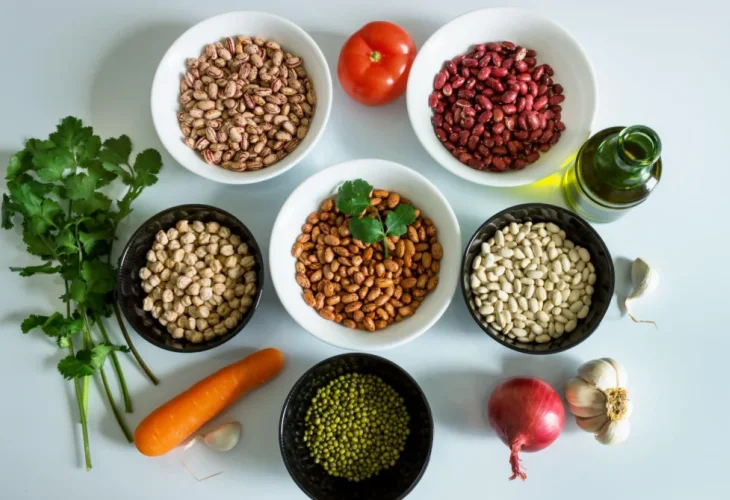
10. Legumes
Lentils, chickpeas, beans, and lupini beans provide a combination of protein, fiber, and complex carbohydrates.
This nutritional combination promotes longer-lasting fullness and helps maintain more stable energy levels throughout the day.
How You Eat Matters Too
The type of food you eat is important, but the way you eat matters as well.
Skipping meals, eating too quickly or while walking, drinking excessive amounts of coffee, consuming large quantities of sugary foods, or sleeping poorly or on an irregular schedule can place additional strain on both the body and the nervous system. Improving these habits may be just as important as changing the foods on your plate.
Foods and Drinks to Limit
Alongside foods that may support emotional well-being, experts often recommend reducing:
Excessive caffeine
Energy drinks
Refined sugar
Large amounts of alcohol
Ultra-processed foods
For some people, these products may increase heart rate, restlessness, nervousness, and mood fluctuations.
A Balanced Approach to Anxiety
While nutrition alone cannot eliminate anxiety, a healthy diet can be an important part of supporting mental and emotional well-being. Combined with adequate sleep, physical activity, stress management, and professional support when needed, nourishing foods can help create a stronger foundation for resilience and emotional balance.

