

Health and Nutrition
New Study Finds Grapes May Help Protect Your Skin From Sun Damage
Researchers discovered that regular grape consumption may influence genetic responses linked to UV protection and cellular defense
- Yitzchak Eitan
- | Updated
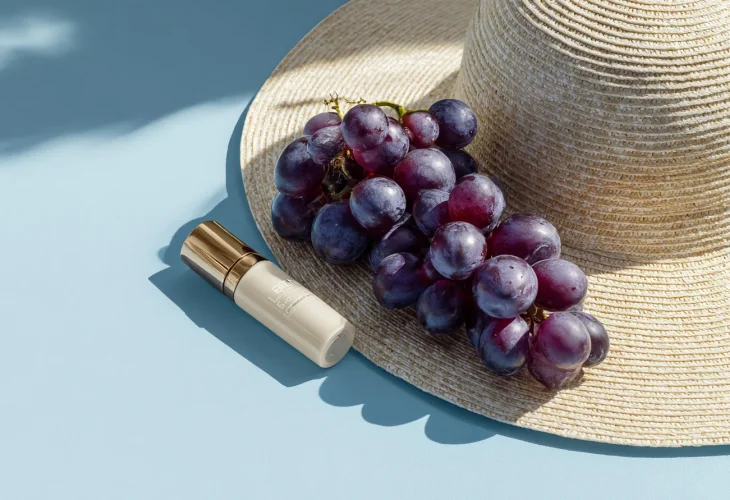
Grapes are widely regarded as a favorite summer fruit, refreshing and rich in antioxidants. However, a new study suggests they may offer another surprising health benefit: helping protect the skin from sun damage.
The study, published in the scientific journal ACS Nutrition Science, was conducted by researchers at Western New England University. The researchers found that regular grape consumption may influence the way skin-related genes respond after exposure to ultraviolet (UV) radiation.
The scientists describe this phenomenon as a "nutrigenomic response," a term that refers to the ability of foods we eat to directly affect genetic activity within the body.
How the Study Was Conducted
As part of the experiment, participants first completed a two-week dietary period designed to reset certain biological systems. They then consumed a daily amount of concentrated freeze-dried grape powder for two weeks, equivalent to eating three servings of grapes per day.
Researchers collected skin samples before and after the intervention and measured the skin's resistance to UV radiation.
What the Researchers Found
The results showed a significant reduction in levels of malondialdehyde, a substance widely recognized as a marker of cellular damage caused by sun exposure.
In addition, researchers identified positive changes in genes responsible for cellular defense mechanisms against free radicals. These unstable molecules can attack cells throughout the body, accelerating aging processes and contributing to tissue damage.
Grapes and Genetic Protection
According to the findings, regular grape consumption appeared to strengthen the body's natural protective responses at the genetic level. The study suggests that compounds found in grapes may help activate cellular pathways involved in defending the skin from environmental stressors, including UV radiation.
This does not mean grapes replace sunscreen or other sun protection measures, but the findings indicate they may offer an additional layer of support for skin health.
Researchers Call Grapes a "Superfood"
John Pezzuto, one of the study's lead researchers and Dean of the School of Pharmacy and Health Sciences at the university, expressed enthusiasm about the results.
"We are now confident that grapes act as a superfood and influence genetic responses in the human body."
According to Pezzuto, the effects may not be limited to the skin alone. He believes that other internal organs may also benefit from regular grape consumption, though additional research is needed to better understand the full scope of these potential health effects.
The study adds to a growing body of research exploring the connection between nutrition and gene activity. While more studies are needed to confirm the findings and determine their long-term significance, the results suggest that grapes may offer benefits beyond their well-known antioxidant properties, potentially helping the body defend itself against sun-related cellular damage from the inside out.

