

Magazine
A Childhood Without a Mother: How She Found Her Way Home
Raised without her mother, nearly divorced, and searching for answers for much of her life, Sarit Schreibhand eventually found healing, faith, and a mission to help others.
- Miri Ben-David Levy
- | Updated
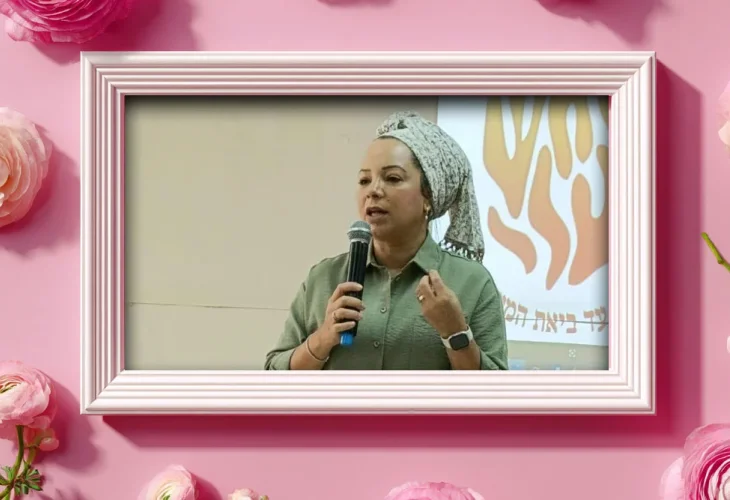 Sarit Schreibhand
As a little girl, Sarit Schreibhand carried responsibilities far beyond her years.
While most children spent their weekends playing with friends, Sarit returned home from boarding school and immediately stepped into the role of caretaker. She cooked, cleaned, did laundry, and helped raise her younger siblings. Shy and painfully insecure, she was too embarrassed to speak to the neighborhood grocer, yet deep inside she carried one powerful dream: to one day build a stable, loving home of her own.
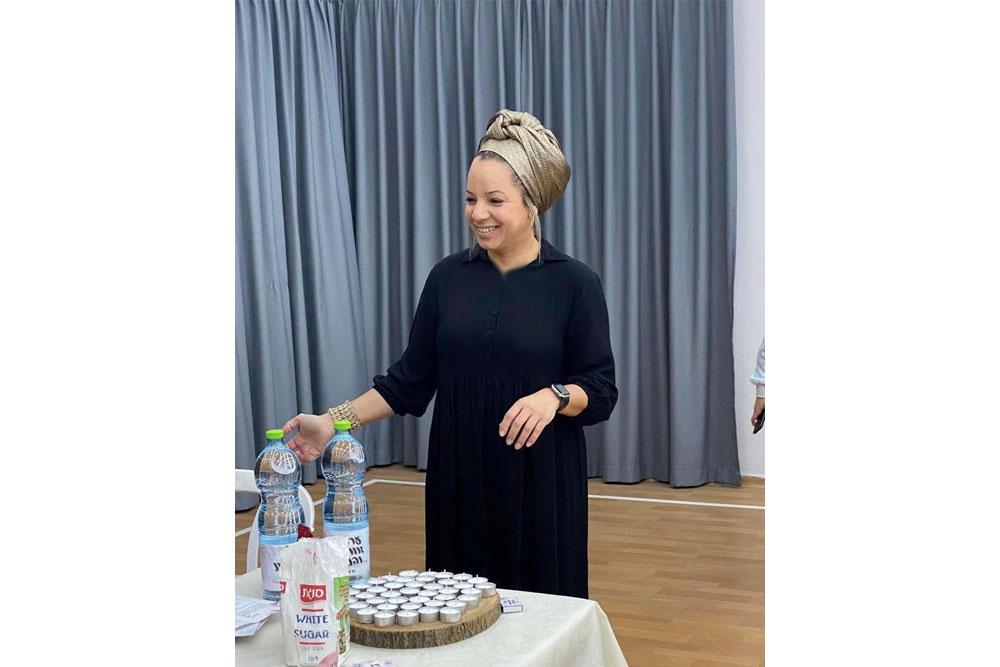
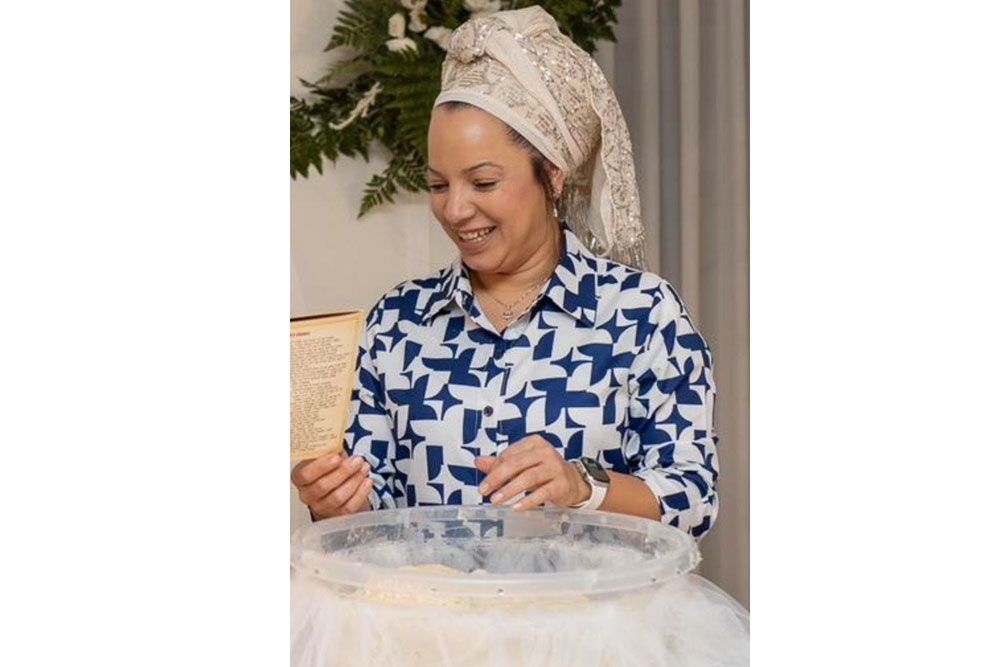
Today, at 50 years old, Sarit is a marriage counselor, personal coach, bridal instructor, mikveh attendant, lecturer, and facilitator of women's events. Looking back, she can clearly see how every challenge she endured became part of the mission she now shares with others.
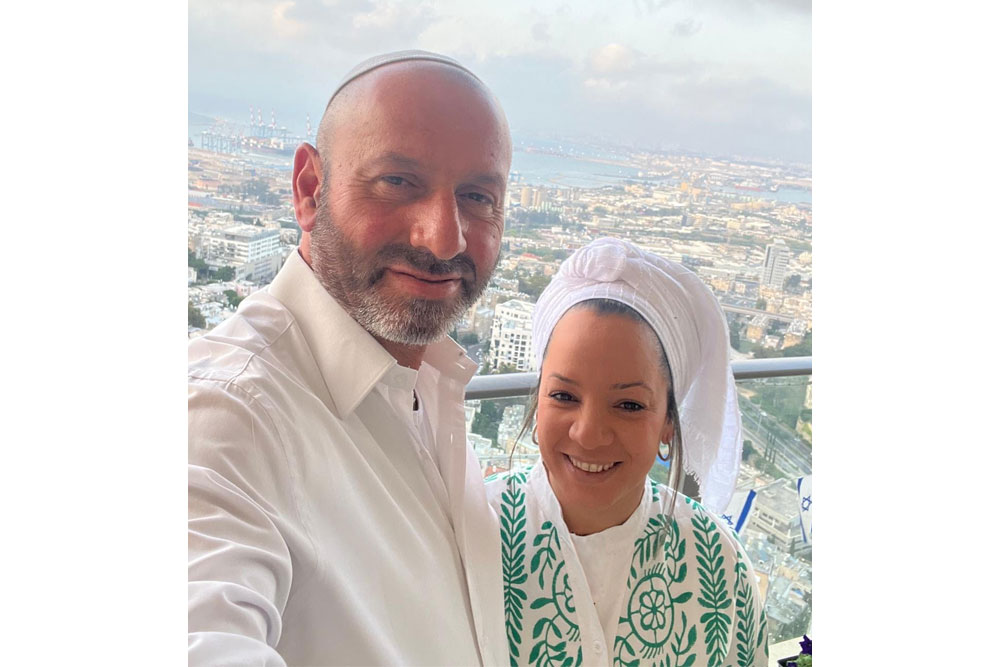 Sarit with her husband, Shai
Growing Up Without a Mother
Sarit was only five years old when her parents divorced, something that was highly unusual at the time, especially within a traditional Moroccan family.
Her mother left Israel, while her father remained behind to raise three children on his own. Eventually, social services intervened and sent Sarit and her older brother to a boarding school in Kfar Saba.
"My mother suddenly left home, and the one who raised us was my father, together with his sister, who was disabled and used a wheelchair," Sarit recalls. Her older brother was just seven and a half, while her younger brother was still a baby.
Despite the challenges, she remembers her boarding school years with gratitude. Many of the friendships she formed there remain close to this day.
But one absence never stopped hurting.
"My mother," she says simply.
The Search for Belonging
Growing up, Sarit constantly longed for the mother she rarely saw.
Her mother had remarried and moved to Canada. Occasionally she would visit Israel and bring gifts, but eventually the presents no longer mattered.
"I just wanted her to stay," Sarit recalls.
Although she was raised in a largely secular environment, she was drawn to something deeper from a young age.
At 15, while her classmates were dreaming about careers, Sarit had a very different answer when people asked about her future.
"I would say, 'I want to be religious.'"
Years later, she understood why.
"When I saw religious families, I saw a Shabbat table, warmth, belonging. Everything I felt I didn't have. To me, religion symbolized home."
A Life-Changing Journey
Between 11th and 12th grade, Sarit's life nearly ended.
A car struck her at approximately 55 miles per hour, leaving her severely injured. She lost consciousness for three days, suffered memory loss, and faced a long and difficult rehabilitation process.
Yet what she remembers most from that period is her father's devotion.
At the very same time, her father suffered a serious leg injury after a marble slab fell on him while he was working.
"He was on crutches and I was on crutches," she says. "But he still took me to every treatment."
Following her military service in the Israeli Air Force, Sarit felt compelled to confront the questions she had carried for years.
She sold her car, left her job, purchased a one-way ticket, and flew to Canada to meet her mother.
"I wanted answers," she says. "I wanted to understand why."
The conversation they eventually had was painful and emotional, but it gave her something unexpected.
Not closure, but compassion.
"I understood that she didn't have the emotional ability to be a mother," Sarit says. "From that moment, I stopped being angry."
Afraid to Build a Home
Long before her trip to Canada, Sarit had met Shai, her brother's best friend.
Despite their connection, she struggled with a deep fear of marriage.
"I was afraid of getting married because I was afraid of getting divorced," she explains. "A girl who grows up in that kind of situation is afraid to build a home and fail at it."
Ironically, the distance created by her trip strengthened their relationship. They stayed in close contact, and eventually Shai approached her brother to ask for his blessing.
Over time, her brother's opposition softened, and the couple married.
Finding Faith and Finding Home
The road ahead was not easy.
Sarit experienced a miscarriage early in her marriage. Later, her first son was born with a heart defect. Years afterward, two more of her children were diagnosed with heart defects, leading Sarit to discover that she herself had been born with a heart condition.
Her spiritual journey began through a friend from boarding school who invited her and Shai to Torah classes.
What started as occasional gatherings gradually transformed their lives.
"Suddenly I found answers," she says. "I found family. I found home."
For Sarit, the emptiness she had carried since childhood began to heal.
"Hashem filled all my emptiness."
When Her Marriage Nearly Fell Apart
Even after returning to faith, the challenges continued.
At one point, Sarit and Shai's marriage entered a severe crisis. Divorce seemed increasingly likely, and they even began taking practical steps toward separation.
"There were periods that were very difficult," she recalls. "Marriage is not magic. Two people come into it carrying wounds, fears, and baggage."
Yet every time they tried to move forward with the divorce process, something unexpected happened. Appointments were canceled. Meetings fell through. Obstacles appeared.
Looking back, Sarit believes Hashem was guiding them toward a different outcome.
"I realized this home was probably not meant to fall apart," she says.
As they rebuilt their marriage, one conviction became central to her life:
"I wasn't going back to a home that Hashem wasn't part of."
Turning Pain Into Purpose
The struggles that nearly destroyed her marriage ultimately became the foundation of her life's work.
As she worked through her own challenges, Sarit began to recognize how many marriages suffer because of unresolved childhood wounds, poor communication, and emotional pain carried from the past.
"Many times, we're not really fighting about what's happening now," she explains. "We're fighting about old pain we've never healed."
Today, she helps couples navigate those same struggles.
And when people question how she can guide others after experiencing such difficulties herself, she has a simple answer.
"I studied in the university of life."
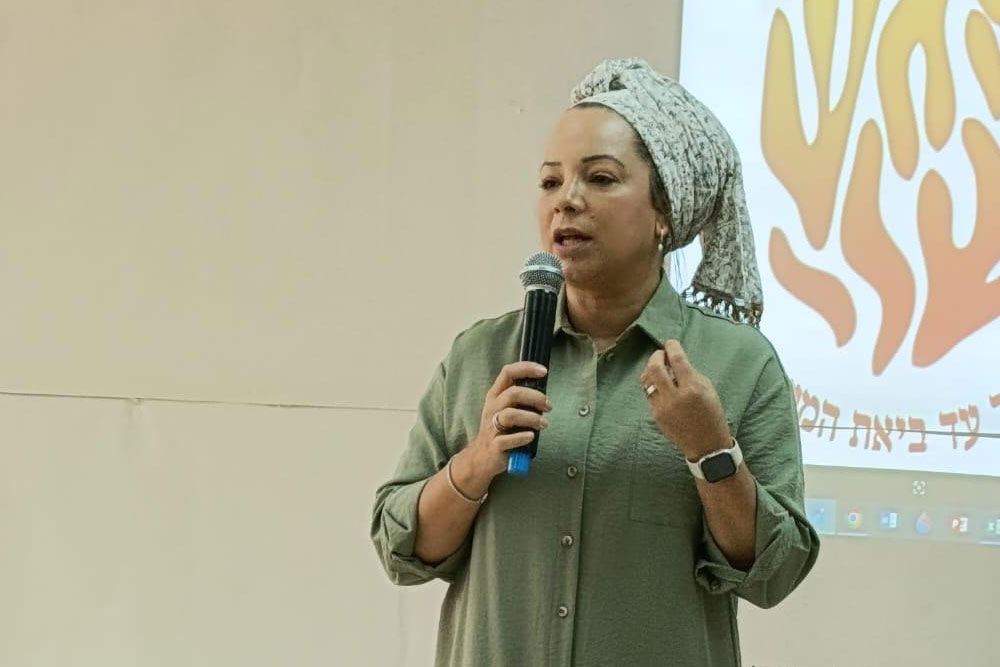
Looking at Sarit today, it is difficult to imagine the shy little girl who once felt abandoned and alone.
She now stands before audiences, teaches women and couples, and speaks openly about her deepest wounds.
"If I once saw myself as a girl who had been abandoned, today I see myself completely differently," she says. "Because I didn't stay there. Hashem took all my weaknesses and turned them into a mission."

