

Health and Nutrition
Can You Drink Coffee Before a Blood Test? Why Experts Say No
Discover how even black coffee can affect blood sugar, cholesterol, hydration levels, and other laboratory results
- Yitzhak Eitan
- | Updated
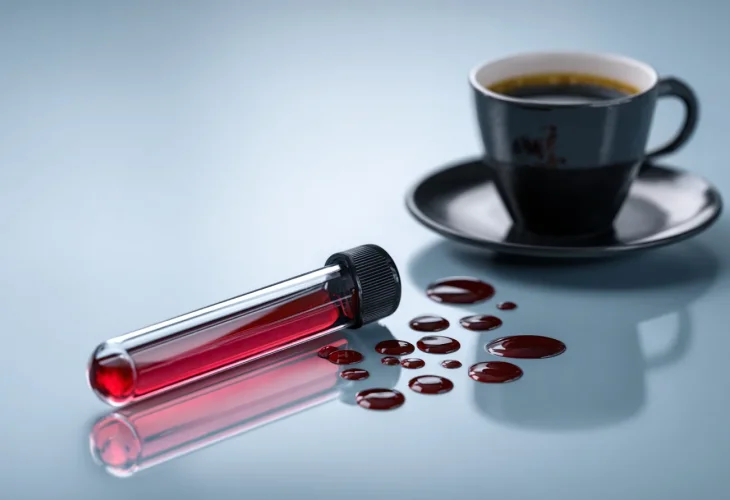
Laboratory tests provide valuable information about your health, including your risk for conditions such as heart disease and diabetes. However, the accuracy of these results depends heavily on proper preparation.
"I always remind my patients that blood tests are only useful if they are accurate," says Dr. Uma Darji, a family physician. "These results guide our clinical decisions, and following pre-test instructions helps ensure that we get a true picture of your baseline health."
Dr. Bayo Curry-Winchell adds that blood tests play a crucial role in confirming, ruling out, or diagnosing medical conditions. Inaccurate results can lead to unnecessary follow-up visits, additional testing, and avoidable stress.
The Most Common Mistake: Drinking Black Coffee
Many people assume that black coffee is acceptable before a fasting blood test because it contains no sugar or milk. However, medical experts warn that this is a common misconception.
According to Dr. Joshua Quinones, black coffee can affect several important laboratory measurements.
"It can influence hydration status and may also affect cholesterol levels, including triglycerides, as well as blood sugar levels."
How Can Black Coffee Affect Blood Sugar?
Although black coffee contains virtually no calories, it can still influence how the body regulates blood sugar.
Dr. Brina Connor explains:
"When blood glucose is being tested, what is measured is your body's ability to regulate sugar. Coffee stimulates the release of cortisol and adrenaline, and in some individuals this can cause blood sugar levels to rise. Even a small increase may be enough to move test results into a higher category."
Coffee Can Affect More Than Blood Sugar
According to experts, the stress hormones triggered by coffee may also influence other laboratory markers, including:
Cholesterol levels
Triglycerides
White blood cell counts
Electrolyte levels
As a result, drinking coffee before a blood test may make it more difficult to obtain an accurate assessment of your health.
Coffee Can Also Cause Dehydration
Beyond its effects on laboratory values, coffee acts as a mild diuretic, meaning it can increase fluid loss and contribute to dehydration.
Dehydration can create several problems during blood testing:
Veins may become harder to locate, making blood draws more difficult.
There is a greater chance of multiple needle sticks.
The procedure may become more uncomfortable.
Dehydration Can Alter Test Results
Dehydration may also artificially raise certain blood markers, including blood urea nitrogen (BUN). This can create the misleading impression that kidney function is impaired when the issue is simply inadequate hydration.
What Can You Drink Before a Fasting Blood Test?
When a healthcare provider instructs you to fast for 8 to 12 hours before a blood test, the only recommended beverage is water.
Experts generally advise avoiding coffee for at least eight hours before the test to help ensure the most accurate results possible.
If your doctor has ordered fasting blood work, it is best to stick to water and avoid coffee, even black coffee. While it may seem harmless, coffee can affect blood sugar, cholesterol, hydration levels, and other important markers, potentially leading to inaccurate test results and unnecessary follow-up testing.

