

Health and Nutrition
Homemade Hair Masks: Common Mistakes That Can Damage Your Hair
Discover the most common homemade hair mask mistakes, and learn how to nourish your hair safely for healthier shine, softness, and moisture
- Tehila Cohen
- | Updated
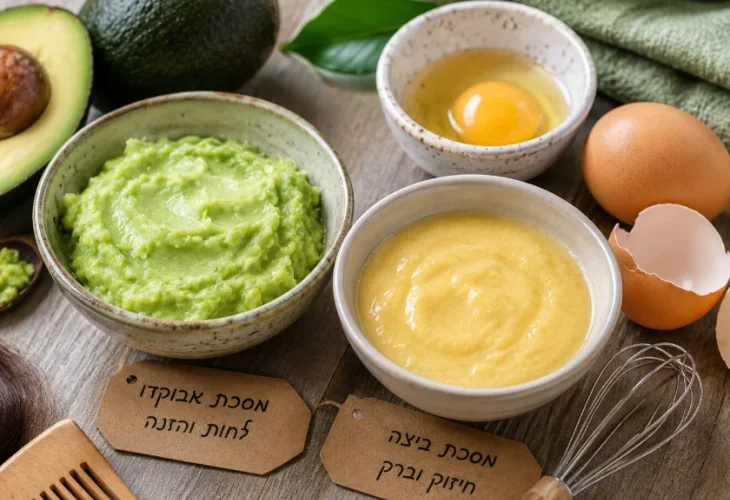
Many women prefer homemade hair masks. It feels more natural, less expensive, and often healthier than using store bought products. The internet is full of recommendations for oils, eggs, honey, avocado, yogurt, and other ingredients that are said to restore shine, softness, and moisture to the hair.
However, not everything that is natural is necessarily right for your hair.
Using Too Many Oils and Heavy Ingredients
One of the most common mistakes is overloading the hair with oils and heavy ingredients under the assumption that the richer the mask, the more nourishment the hair will receive.
In reality, too much oil can leave hair looking greasy, weighed down, and lacking volume, especially for women with fine hair or naturally oily scalps.
Leaving the Mask on for Too Long
The amount of time a hair mask stays on your hair also matters.
Some women leave homemade masks on for several hours or even sleep with them overnight, believing this will produce better results. In some cases, however, this can have the opposite effect. It may weigh the hair down, irritate the scalp, or leave behind an oily residue that is difficult to remove.
Applying Masks Directly to the Scalp Without Testing
Another common mistake is applying homemade masks directly to the scalp without considering whether the ingredients are suitable for your skin.
A sensitive scalp can react to natural ingredients just as it can react to synthetic ones. Heavy oils or unsuitable mixtures may sometimes cause irritation, dandruff, itching, or an uncomfortable feeling of heaviness.
Not Rinsing Thoroughly
Insufficient rinsing is another frequent problem.
Masks containing oils, eggs, or thick ingredients require very thorough washing. Otherwise, hair can remain sticky, heavy, and difficult to manage. Many women mistakenly assume the mask did not work, when the real issue is that residue was left behind.
Different Hair Types Have Different Needs
One important fact that not everyone realizes is that different hair types require different care.
For example:
Dry, curly hair generally benefits from more moisture and nourishing oils.
Fine or delicate hair can quickly become limp, greasy, or weighed down by rich, heavy masks.
Choosing ingredients that match your hair type is often more important than following popular online recipes.
Hair Health Depends on More Than Hair Masks
Some women try to repair damaged hair using masks alone, forgetting that many other factors influence hair health.
These include:
Frequent use of blow dryers and flat irons
Poor nutrition
Emotional stress
Repeated coloring or chemical treatments
Lack of sleep
Even the best hair mask cannot completely offset damage caused by these factors.
The Right Way to Use Homemade Hair Masks
Homemade hair masks can be an excellent addition to a hair care routine. When the ingredients are suitable for your hair type and used correctly, they can help improve softness, moisture, and shine.
In most cases, a gentle mask once a week, tailored to your hair's needs and followed by thorough rinsing, will produce far better results than overwhelming your hair with excessive amounts of ingredients.
When it comes to hair care, balance is often more effective than excess.

