

Expert Forum
How Perfectionism Sabotages Self Worth, Happiness, and Relationships
The hidden emotional roots of perfectionism, why criticism feels so painful, and how letting go of unrealistic expectations can improve your confidence, resilience, and ability to build healthy relationships
- Hidabroot
- | Updated
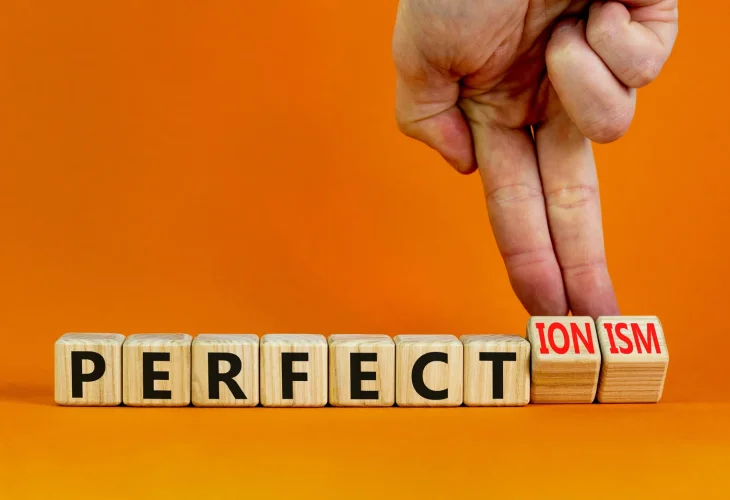 (Photo: shutterstock)
I am a 34-year-old single woman with a stable job, but I feel that I place enormous demands on myself. I am pleased with my achievements, but I work very hard to attain them, and I experience intense feelings of failure whenever I face criticism. I would appreciate your advice.
Answer:
The strong internal demand you place on yourself to perform everything perfectly fits the definition of perfectionism.
Interestingly, a person's uncompromising drive for perfection and an internal sense of flawlessness often stems from a subconscious feeling of being inadequate, unworthy, or unsuccessful. Because of this underlying feeling, criticism can become especially painful, and situations in which goals are not achieved may trigger deep feelings of failure.
As these feelings often operate beneath conscious awareness, a perfectionist may find it difficult to tolerate mistakes. As a result, they work extremely hard to ensure that everything is done flawlessly, hoping to avoid the discomfort that imperfection might bring.
How Perfectionism Affects Relationships
Perfectionism can also make it harder to find a life partner.
When someone is constantly searching for the "perfect" person, they may be pursuing an ideal that exists primarily in their imagination rather than in reality. No human being can fully live up to an image of perfection.
As a result, the ability to choose and accept a partner may become limited because every potential relationship falls short of unrealistic expectations.
A Healthier Perspective
Developing a healthier self-view begins with recognizing that you are a capable person regardless of whether every outcome is successful.
This understanding makes it easier to tolerate criticism and setbacks. It allows you to see that just as success is not entirely within your control, neither are all failures.
A perspective like this can gradually reduce the need for perfection and strengthen your sense of self-worth. As your self-esteem becomes less dependent on flawless performance, it becomes easier to accept that you are not perfect and do not need to be.
Accepting Yourself and Others
From this healthier place of self-awareness and self-acceptance, it often becomes easier to build meaningful relationships. Just as you learn to forgive yourself for being imperfect, you can also extend that same understanding to a future partner.
Accepting that neither you nor others need to be perfect creates more room for connection, compassion, and genuine intimacy.
Based on the insights of Inbal Elhayani, MA, certified NLP and guided imagery therapist.

