

Expert Forum
Arguing in Front of the Kids: How to Protect Children During Times of Stress and Conflict
How parental arguments affect children, why repair is just as important as avoiding conflict, and practical ways to help kids feel safe, secure, and emotionally supported during stressful times
- Hidabroot
- | Updated
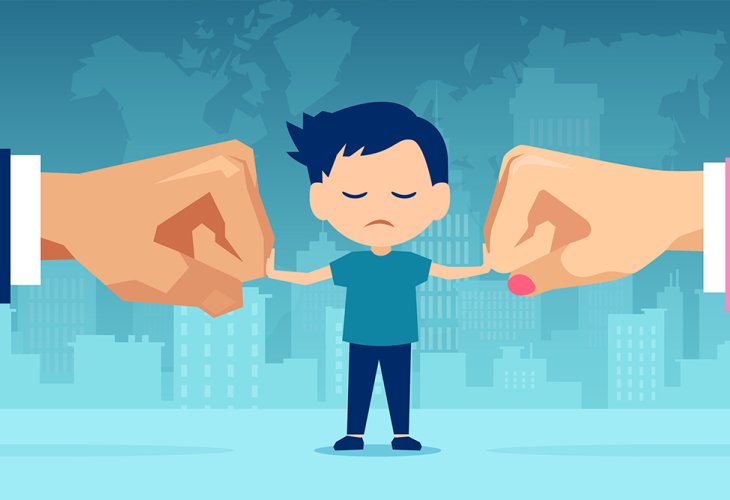 (Illustration: shutterstock)
The current period of war and uncertainty has been very stressful for me. At times, I feel tense and impatient with my husband, and despite our efforts not to, we sometimes end up arguing loudly in front of the children. Is there anything we can do to prevent this from harming them?
Answer:
When a child sees their parents arguing or fighting, they often experience a great deal of guilt. Many children instinctively assume that the conflict is somehow related to them and that they are to blame.
This can be especially difficult when parents involve their children in disagreements, intentionally or unintentionally. The child may feel trapped in the middle, powerless and frightened. During times of war, uncertainty, or other stressful events, children are often already carrying fears and worries of their own, making parental conflict even more distressing.
Keep Disagreements Away from the Children
Differences of opinion between spouses are natural and unavoidable. However, it is important to address those disagreements at times when the children are not present.
In front of the children, parents should strive to present a united front whenever possible. This creates a sense of safety and stability. Children feel more secure when they see their parents working together and supporting one another.
Simple statements such as:
"Please do what Dad asked."
"Mom is right."
"Let's follow what Dad decided."
help reinforce the message that both parents are on the same team.
If an Argument Happens, Let the Children See the Repair
No family is perfect, and arguments sometimes happen.
If a disagreement occurs in front of the children, make an effort to reconcile in front of them as well.
Allow your children to see respectful communication, apologies, and forgiveness. Let them witness the process of repairing a relationship after conflict.
You can even explain in age appropriate language: "We made a mistake and did not speak kindly to each other. We worked it out, and everything is okay now."
This teaches children an invaluable lesson: conflict can be resolved in healthy ways.
Modeling Healthy Relationships
Children learn more from what they observe than from what they are told.
When they see mutual respect, affection, cooperation, and healthy conflict resolution, they develop a stronger sense of emotional security. They are more likely to become calm, confident, resilient, and emotionally stable.
Especially during uncertain times, showing children that disagreements can be handled with respect and repaired with love provides an important sense of reassurance and safety.
By focusing on repair, parents can help their children feel protected, valued, and secure even during challenging periods.
Based on the guidance of Yochi Danhi, multidisciplinary emotional support specialist and parent educator specializing in discipline and authority through the Conscious Motherhood approach.

