

Raising Children
What to Do When Your Child Says, "I Have No Friends"
When a child feels rejected or struggles to make friends, parents often feel helpless. Here's how to identify the causes and provide meaningful support.
- Hidabroot
- | Updated
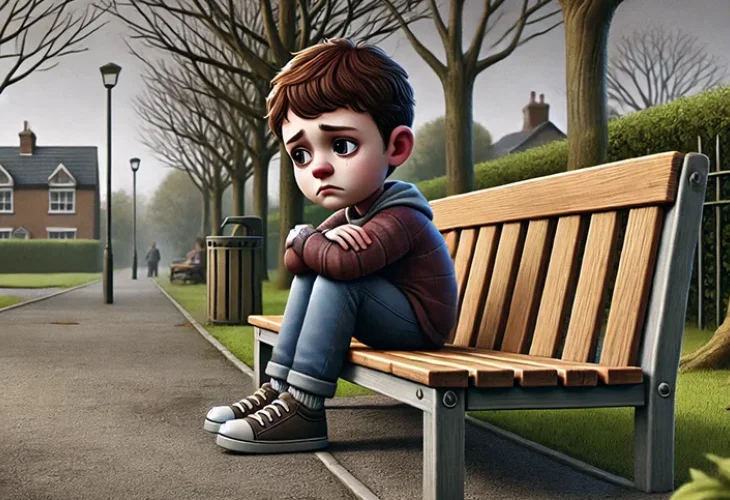
My seven-year-old son came home from school one day in tears.
"I have no friends," he sobbed.
For a parent, few things are more painful to hear. When a child feels rejected, left out, or invisible, it can leave us feeling helpless. We want to fix the situation immediately, yet social challenges are often more complex than they appear.
The good news is that with the right support, many children can strengthen their social skills, build confidence, and develop meaningful friendships.
Why Social Connections Matter
When children feel accepted by their peers, it affects far more than their social lives.
A child who is doing well socially is often doing better emotionally and academically as well. Positive friendships can boost self-confidence, create a sense of belonging, and make school a much more enjoyable experience.
On the other hand, when social difficulties go unaddressed, they may continue and sometimes become more pronounced over time. That is why it is important to take a child's concerns seriously and try to understand what may be contributing to the problem.
Looking Beneath the Surface
The first step is identifying why the child is struggling socially.
Sometimes the cause is relatively straightforward. Factors such as poor hygiene, an unkempt appearance, learning challenges, communication difficulties, behavioral issues, sensory regulation challenges, or other observable factors can affect how children interact with their peers.
When the underlying issue can be identified, it may be possible to make practical changes that improve the child's social experience.
When There Is No Obvious Cause
In some cases, there is no clear external reason for the rejection.
Other times, the factor involved is something that cannot be changed, such as unusual height, a physical difference, or another characteristic that makes a child stand out.
In these situations, it becomes especially important to strengthen the child's sense of self-worth.
Children need opportunities to experience success, competence, and satisfaction. At home and at school, parents and educators can help build confidence by focusing on the child's strengths, talents, and positive qualities.
When children believe in themselves, they often project greater confidence outwardly, which can influence the way others respond to them.
Teaching Social Skills
Sometimes the challenge is not rejection itself, but a difficulty understanding social situations.
Some children struggle to read social cues, understand other people's perspectives, join group activities, or interpret interactions correctly. These are skills that can be taught and practiced.
When parents and professionals identify specific areas of difficulty, children can be given practical tools to help them navigate their social environment more successfully.
With guidance and support, many children make remarkable progress in building stronger relationships with their peers.
The Power of Encouragement
Children who struggle socially often begin to form negative beliefs about themselves.
That is why encouragement is so important.
A child needs to hear that they have value, that they possess strengths, and that one difficult social experience does not define who they are. The more secure a child feels at home, the better equipped they will be to face challenges outside the home.
Never Underestimate the Power of Prayer
Alongside practical efforts, many parents find comfort in turning to Hashem.
We can seek guidance, support our children, strengthen them emotionally, and provide them with tools. At the same time, we recognize that every child needs Heavenly assistance.
Praying for our children, asking that they grow up feeling happy, confident, and emotionally strong, can be one of the most powerful things we do on their behalf.
A Message of Hope
When a child says, "I have no friends," it is easy to feel overwhelmed.
But social struggles today do not determine a child's future.
With patience, support, encouragement, and the right guidance, children can learn to build friendships, develop confidence, and discover their place among their peers. Sometimes, the most important thing we can give them is the belief that things can get better, and the confidence that they have the strength to get there.

