

Fertility
Trying to Conceive After 40? Here's What You Need to Know
Fertility may decline with age, but advances in treatment are helping more women than ever achieve pregnancy later in life.
- Hidabroot
- | Updated
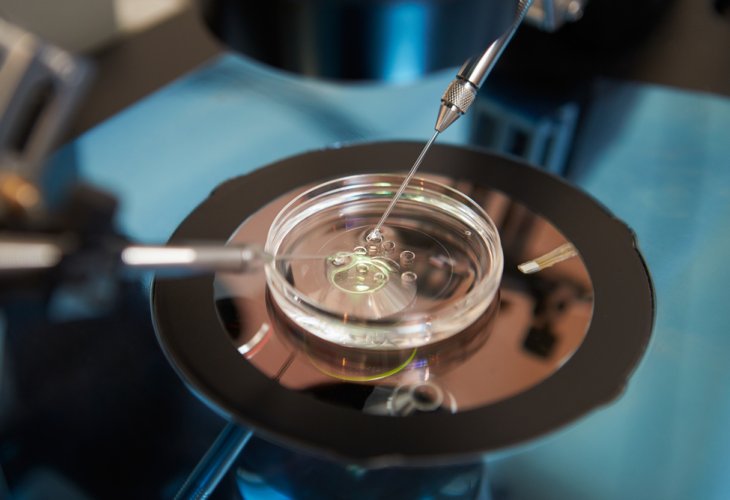 (Photo: shutterstock)
In recent decades, more women have been starting their families later in life. The average age of marriage has risen, careers and educational goals often take priority during the younger years, and many women are not having their first child until their 30s, or even later.
At the same time, fertility naturally changes with age. Understanding those changes can help women make informed decisions and seek appropriate support when trying to conceive.
How Age Affects Fertility
A woman's fertility is generally at its highest during her 20s. While many women continue to conceive naturally throughout their 30s, fertility gradually begins to decline over time, with a more noticeable decrease typically occurring after age 35 and becoming more significant after age 40.
Age can also affect the success of fertility treatments. As women get older, the ovaries may respond less effectively to fertility medications, often requiring higher doses of hormones to stimulate egg production. Even with increased treatment, results may not always be as favorable as they are at younger ages.
This does not mean pregnancy is impossible. Many women successfully conceive and give birth later in life, both naturally and with the help of fertility treatments.
Advances in Fertility Treatment
One reason for this growing success is the remarkable progress that has been made in reproductive medicine.
Over the past several decades, advances in fertility treatments have helped many women achieve pregnancy at ages that were once considered far more challenging. Stories of women becoming first-time mothers in their 40s and beyond have become increasingly common.
While age remains an important factor, modern medicine has expanded the options available to women hoping to build their families later in life.
When Should You Seek Help?
For women under 35, fertility specialists generally recommend seeking evaluation after one year of trying to conceive without success.
For women over 35, however, many experts recommend seeking professional guidance after six months of trying. For women in their late 30s and 40s, it may be advisable to consult a fertility specialist even sooner.
The reason is simple: when fertility naturally declines with age, time becomes an increasingly important factor. Early evaluation can help identify potential issues and provide access to appropriate treatment options as quickly as possible.
Treatment Options May Differ With Age
Fertility treatment plans are often tailored to a woman's age and individual circumstances.
Because fertility tends to decline over time, physicians may recommend more advanced treatment options sooner for older patients in an effort to maximize the chances of success.
Treatment decisions are highly individualized and depend on many factors, including overall health, fertility history, and the results of medical testing. A fertility specialist can help determine the most appropriate approach for each patient.
The Importance of Consistency
Dr. Amir Rabin, a specialist in gynecology and fertility treatments and a senior physician in the IVF unit at Wolfson Hospital, emphasizes the importance of maintaining continuity during treatment.
According to Dr. Rabin, while younger women may be able to take extended breaks between treatments with little impact on future success rates, consistency becomes increasingly important as women get older.
For this reason, it is often beneficial to follow a structured treatment plan and maintain close communication with healthcare providers throughout the process.
Don't Overlook Emotional Support
Fertility treatments can be emotionally demanding at any age.
The process often requires patience, resilience, and the ability to cope with uncertainty. Dr. Rabin strongly encourages women undergoing fertility treatment, particularly those of advanced maternal age, to seek emotional support throughout the journey.
Support may come from family members, friends, support groups, counselors, therapists, or faith communities. Having a strong support system can make a meaningful difference during what can sometimes be a long and challenging process.
Hope, Planning, and Perseverance
While fertility naturally changes with age, many women successfully build their families later in life.
Understanding the realities of age-related fertility, seeking medical guidance early when necessary, maintaining consistency in treatment, and receiving emotional support can all help improve the journey.
With proper planning, professional care, persistence, and Hashem's help, many women continue to fulfill their dream of becoming mothers, even at ages that previous generations might have considered impossible.

