

Wonders of Creation
The Aortic Valve: A Tiny Wonder Inside the Heart
The aortic valve may be small, but its role is enormous. Discover how this biological marvel directs blood flow with astonishing accuracy.
- Yehosef Yaavetz
- | Updated
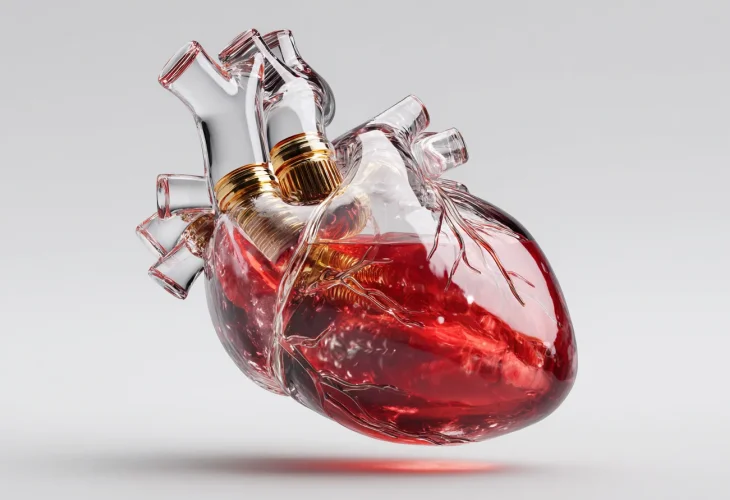
We all know that the heart functions as a pump. Every moment of every day, blood enters the heart after traveling through the body and is then sent back out on a new journey. Whether we are sleeping, walking, running, swimming, or exercising, the heart works tirelessly to deliver oxygen-rich blood throughout the body.
One of its most important tasks is ensuring that blood always flows in the correct direction. A tiny but remarkably sophisticated structure is responsible for making that happen: the aortic valve. Though small in size, it plays an enormous role in keeping the circulatory system functioning properly.
A Small Structure With a Huge Responsibility
The aortic valve sits between the heart's left ventricle and the aorta, the body's largest artery. At first glance, it appears simple, consisting of three thin leaflets arranged like small doors that open and close with every heartbeat. Yet behind that apparent simplicity lies an extraordinary level of sophistication.
Every time the heart contracts, blood must be pushed forcefully into the aorta and distributed throughout the body. The valve opens instantly to allow that flow to move forward. Moments later, as pressure changes, it closes just as quickly, preventing blood from flowing backward into the heart. This process takes place continuously, every second of every day, without us ever noticing it.
Engineering Without Motors or Sensors
What makes the valve especially fascinating is that it accomplishes all of this without muscles, motors, electronic sensors, or any external control system. Its operation depends entirely on its shape, flexibility, location, and precise response to changes in pressure.
When pressure rises inside the left ventricle, the leaflets swing open and allow blood to surge forward. When the pressure inside the aorta becomes greater than the pressure within the heart, the leaflets immediately come together to form a tight seal. Everything happens automatically, silently, and with astonishing precision. Every heartbeat requires the valve to respond perfectly to constantly changing conditions.
Precision Measured in Millimeters
The margin for error is incredibly small. If the valve opened too slowly, blood flow would be restricted. If it closed too late, blood would leak backward. If the leaflets failed to meet perfectly in the center, the seal would be incomplete. Every tiny detail matters, which is why the valve's design is so remarkable.
At the same time, the leaflets must balance two seemingly opposite requirements. They must be thin and flexible enough to move freely, yet strong enough to withstand enormous pressures. Throughout a lifetime, the aortic valve may open and close hundreds of millions of times, operating day and night without ever taking a break. The fact that it can perform this task for decades is nothing short of astonishing.
Designed for Perfect Flow
Blood does not move through the body like water through a simple pipe. Its flow is dynamic and constantly changing, responding to shifts in pressure, speed, and the body's needs. If the valve were designed in a crude or overly simplistic way, blood flow would become inefficient and place much greater strain on surrounding tissues.
Instead, the valve's curved leaflets and unique position within the root of the aorta create an elegant balance. They allow for maximum forward flow while minimizing turbulence, backflow, and wear. It is a remarkably efficient design that combines wide opening when blood must move forward with an almost airtight seal when flow must stop.
Supplying the Heart Itself
One of the valve's most fascinating features is its relationship to the coronary arteries, the blood vessels that nourish the heart muscle itself. Just above the valve are the openings from which these arteries emerge.
Behind each leaflet are small pockets known as the sinuses of Valsalva. These structures help the valve close properly while also creating favorable conditions for blood to enter the coronary arteries at precisely the right time. In other words, the valve is not only responsible for supplying the entire body with blood—it also plays a role in ensuring that the heart itself receives the nourishment it needs to continue beating.
A Living, Dynamic Structure
The aortic valve is not made from lifeless material but from living tissue composed of several specialized layers, each serving a unique purpose. One layer provides flexibility, another contributes strength, and a third helps resist the constant wear caused by blood flow.
Together, these layers create a structure that is both durable and remarkably efficient. Material that is too rigid would crack under stress, while material that is too flexible would lose its shape. The valve achieves an extraordinary balance, combining flexibility and durability in a way that allows it to perform its demanding task for decades. The tissue itself is alive, containing cells that the body continually nourishes and maintains throughout life.
When Things Go Wrong
Sometimes, however, the valve can become damaged. Over the years it may thicken, calcify, narrow, or begin to leak. Ironically, it is often only when the valve stops functioning properly that we truly appreciate how remarkable its normal performance is.
When the valve becomes narrowed, the heart must work much harder to force blood through a smaller opening. When it leaks, some of the blood flows backward instead of continuing forward. In both situations, it becomes clear just how quietly and efficiently this tiny mechanism has been operating all along.
Part of a Greater System
The aortic valve does not function in isolation. It must work in harmony with the left ventricle, the aorta, the surrounding blood vessels, and the entire circulatory system. Changes in any one of these components can affect the valve's performance, and changes in the valve can influence the rest of the system.
Its perfection is therefore not merely local but systemic. The valve is designed to function as part of a complex orchestra of tissues, pressures, movements, and rhythms. Even more remarkable is the fact that it begins forming while we are still developing in our mother's womb. From that point onward, it continues adapting as the body grows and changes throughout life.
The Wonder Behind Every Heartbeat
Behind every heartbeat stands a tiny biological doorway that opens and closes countless times throughout our lives. Most of us never think about it, yet this small structure performs one of the most demanding and precise tasks in the human body.
Simply pausing to consider it fills us with wonder. Every heartbeat is a reminder of the incredible complexity of the human body, the breathtaking wisdom embedded within its design, and the greatness of the One who created it.

